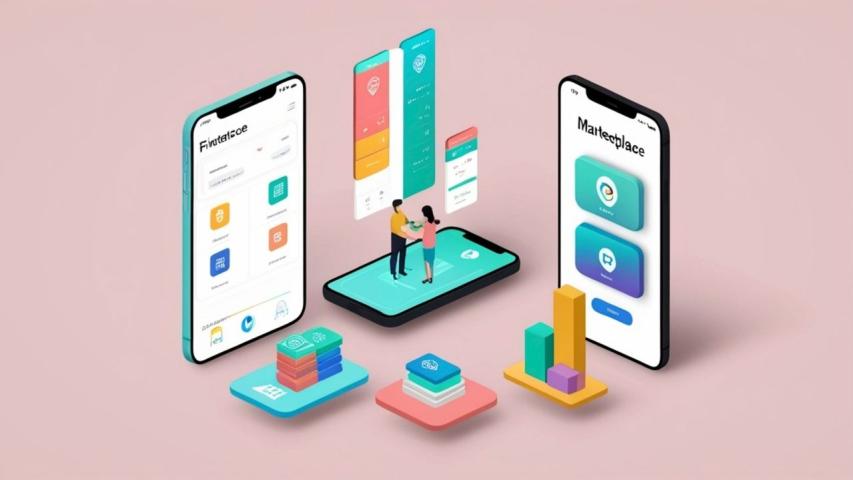
In today’s rapidly advancing digital era, Mobile recharge software has become one of the most transformative tools in India’s retail and fintech sectors. From small shop owners to large distributors, this innovative technology has simplified the process of recharging mobile phones, paying bills, and managing customer transactions. As India moves toward a fully cashless economy, mobile recharge platforms are helping businesses automate their operations and expand their service offerings. This evolution is not just about convenience—it’s about empowering local entrepreneurs, promoting financial inclusion, and creating a seamless digital ecosystem for millions of consumers across the country.
The rise of mobile recharge software has redefined the way digital transactions are carried out in the retail market. Earlier, customers had to depend on physical recharge coupons or visit telecom stores for mobile top-ups. However, with the growth of digital platforms, the entire recharge process can now be completed in just a few seconds. Retailers and agents can use multi-operator recharge systems to serve customers of all major telecom providers through a single interface. This saves time, reduces manual effort, and increases profitability for small businesses.
One of the major reasons behind the success of mobile recharge software is its ease of use and accessibility. The software is designed with a user-friendly interface that allows even non-technical users to operate it without difficulty. Whether it’s a local shopkeeper in a small town or an agent in a metropolitan city, the platform enables everyone to perform mobile and DTH recharges, utility bill payments, and data card top-ups instantly. The simplicity of mobile recharge software has made it a crucial part of India’s retail innovation story.
The software’s multi-operator integration is another significant advantage. It allows users to recharge across all major telecom operators, including Airtel, Jio, Vi, and BSNL, from a single dashboard. Retailers no longer need separate systems or portals for each operator, which streamlines operations and ensures faster service delivery. This feature also supports DTH and data card recharge, expanding the retailer’s business scope and revenue potential.
A key factor driving the growth of mobile recharge software is its API integration technology. Through APIs (Application Programming Interfaces), software systems can communicate directly with telecom operators and payment gateways to execute transactions securely and in real time. This ensures that customers receive instant confirmations and successful recharge updates. For developers and business owners, recharge API integration provides a foundation for building scalable and customized solutions that cater to different types of businesses—ranging from startups to large-scale enterprises.
Mobile recharge software also promotes financial inclusion and entrepreneurship. In many rural and semi-urban areas, residents still lack access to formal banking services. Retailers offering recharge and bill payment services through digital platforms act as community-level financial facilitators. By using mobile recharge software, they help rural citizens pay their utility bills, recharge their phones, and even perform money transfers without needing to visit a bank. This convenience has strengthened India’s digital payment infrastructure at the grassroots level.
Another major benefit of mobile recharge software is cost efficiency. Businesses can operate without maintaining large inventories or physical infrastructure. Most recharge software systems run online, requiring only an internet connection and a basic device such as a computer or smartphone. Since transactions are digital, operational costs are reduced significantly. Moreover, many software providers offer white-label or B2B solutions that allow entrepreneurs to start their own branded recharge businesses at a minimal investment.
Security and reliability are also central to mobile recharge software. Every transaction is processed through encrypted connections, ensuring complete data protection and privacy. Advanced systems are designed to prevent fraud, duplicate transactions, and unauthorized access. Additionally, automated reporting and ledger management tools allow retailers to track their sales, commissions, and profit margins accurately. Transparency in reporting helps maintain trust among agents, distributors, and customers.
The integration of multi-service functionality has made mobile recharge software even more powerful. In addition to mobile and DTH recharge, many platforms now include AEPS, BBPS, and domestic money transfer services. Retailers can offer customers one-stop solutions for all their digital needs. This diversification increases customer retention, drives footfall to retail stores, and enhances overall profitability. Businesses that adopt multi-service recharge portals can position themselves as comprehensive digital payment providers in their local markets.
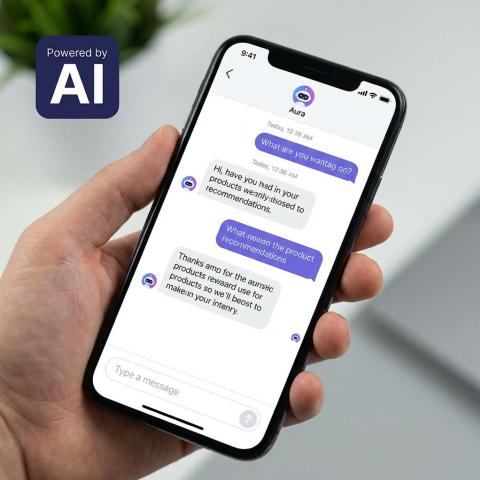
From a technological perspective, mobile recharge software continues to evolve with AI-driven automation and analytics. Advanced platforms now provide real-time insights into customer behavior, transaction patterns, and revenue performance. This data allows businesses to make informed decisions and improve their operational efficiency. Features such as auto-recharge, instant refund mechanisms, and smart notifications have made the customer experience smoother and more reliable.
Mobile recharge software is also contributing to India’s digital transformation mission. By enabling digital transactions in even the remotest areas, it supports the vision of “Digital India” and encourages more citizens to embrace online financial services. Small retailers and entrepreneurs who adopt these solutions not only grow their income but also contribute to the broader goal of a cashless and transparent economy. This digital empowerment is fostering innovation, employment, and entrepreneurship across India’s retail and fintech landscapes.
Moreover, mobile recharge software has created new opportunities for white-label and reseller businesses. Entrepreneurs can partner with software providers to launch their own branded recharge portals, complete with admin panels, commission systems, and reporting dashboards. These customizable solutions allow resellers to expand their operations and serve a growing digital customer base. By providing real-time services with reliability, they enhance customer loyalty and establish strong local digital networks.
In the coming years, the demand for mobile recharge software will continue to rise, fueled by increasing smartphone penetration, growing data consumption, and expanding digital infrastructure. With UPI, AEPS, and BBPS systems becoming integral to India’s financial framework, the role of mobile recharge platforms will become even more significant. Fintech companies and service providers are now working on integrating AI, blockchain, and biometric authentication to make digital transactions faster, safer, and more transparent.
In conclusion, the evolution of Mobile recharge software has been instrumental in powering India’s digital retail revolution. It has bridged the gap between consumers and service providers, transforming traditional retail into a modern, tech-driven ecosystem. By offering convenience, security, and financial inclusivity, this software continues to reshape the country’s payment landscape. As businesses seek scalable and innovative solutions, choosing the right Mobile recharge software provider becomes crucial for long-term success. Reliable companies that also function as a recharge api provider ensure seamless service integration and robust system performance. Through consistent innovation in recharge api solutions, mobile recharge technology will continue to drive India’s digital future and empower millions of retailers and consumers alike.