
Choosing the right roofing material isn't just about looks; it affects how well your roof resists the weather, how long it lasts, and how much it costs to maintain over time.
This guide by CRS Roofing, the leading Reading roofing company, breaks down the main materials used across the UK, their strengths and weaknesses, and what they typically cost in 2025 within Reading and Berkshire.
You'll also learn which materials work best for pitched and flat roofs, how each option performs in local conditions, and how CRS Roofing applies over 20 years of experience to help you make the right decision.
The Main Roofing Materials Used in the UK
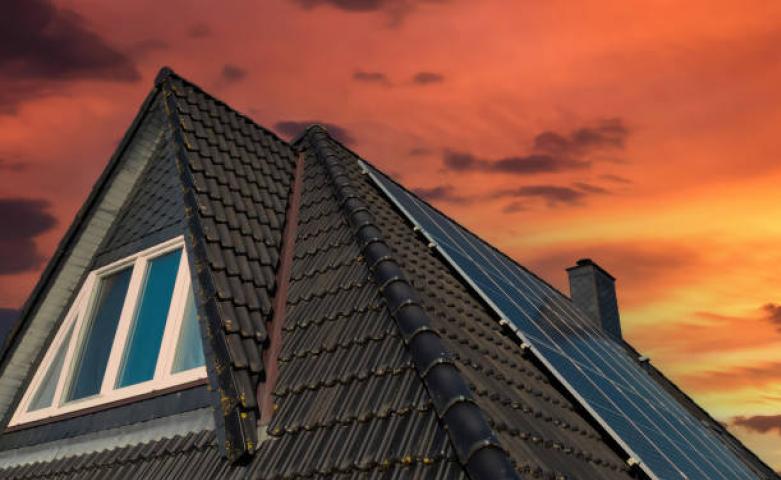
Across the UK, pitched roofs are generally built from a handful of tried-and-tested materials. Each option offers different levels of durability, weather resistance, and appearance.
| Material | Typical Lifespan | Key Benefit |
|---|---|---|
| Asphalt Shingles | 20–30 years | Affordable and quick to install |
| Slate | 75–100+ years | Long lifespan and traditional appeal |
| Clay Tiles | 60–80 years | Natural character and weather resilience |
| Concrete Tiles | 40–60 years | Cost-effective and durable |
| Metal Roofing | 40–70 years | Lightweight, recyclable, and low-maintenance |
| Synthetic Slates | 30–50 years | Lightweight and consistent in colour and finish |
Each of these options can be adapted to suit different roof pitches, budgets, and architectural >
Asphalt Shingles – Practical and Affordable
Asphalt shingles are one of the most budget-friendly roofing materials. They’re made from fibreglass mats coated with asphalt and mineral granules, which help protect against rain and UV rays.
They're quick to install and easy to repair if a few sections become damaged. However, their lifespan is shorter than other materials, and they can lift in high winds if not fixed correctly.
Best for: Sheds, garages, extensions, and budget-conscious roof replacements.
CRS Roofing Tip: We recommend high-quality shingles with secure fixings for moderate-pitch roofs in sheltered areas around Reading and Wokingham.
Slate Roofing – Heritage Quality and Longevity
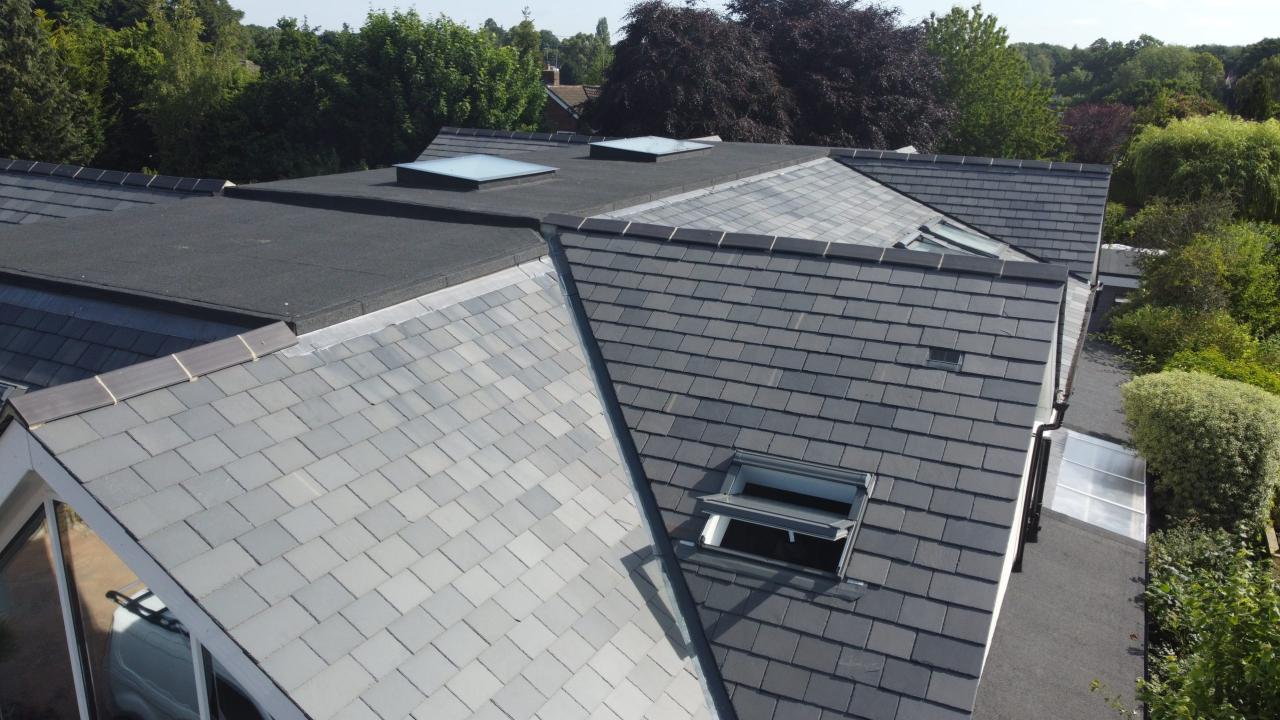
Natural slate remains the gold standard for long-lasting, visually striking roofs. Each tile is hand-cut stone that can last over a century with minimal maintenance.
It's ideal for traditional or listed properties, especially in Berkshire's period homes, but it does require a robust roof structure due to its weight. Slate is also one of the more expensive materials, both in supply and specialist installation.
Best for: Heritage properties, premium homes, and conservation areas.
CRS Roofing Tip: We specialise in sympathetic slate repair and full replacements, matching existing materials and detailing for local heritage projects.
Clay and Concrete Tiles – Classic and Reliable
Clay and concrete tiles are the most common choice for pitched roofs in the UK.
-
Clay tiles offer timeless character, excellent weather resistance, and a natural colour variation that matures beautifully over time.
-
Concrete tiles provide a durable and affordable alternative with a wide range of colours and profiles.
Both can last several decades, but their heavier weight means structural assessments are essential before installation.
Best for: Homes where traditional > CRS Roofing Tip: We assess every roof for load-bearing capacity before recommending clay or concrete tile systems, ensuring long-term structural integrity.
Metal Roofing – Lightweight and Modern
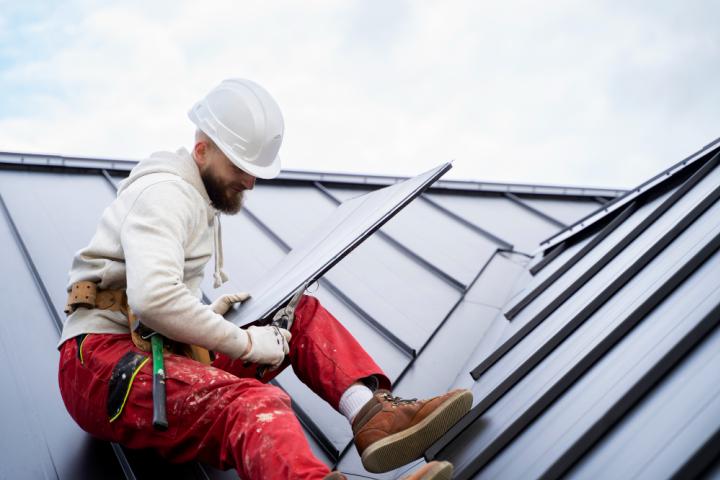
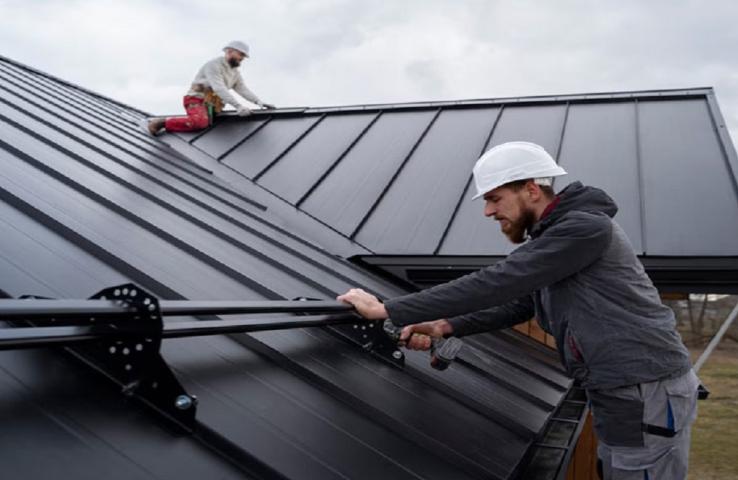
Metal roofs, often made from steel, aluminium, or copper, are increasingly popular for modern builds and commercial properties.
They're incredibly durable, lightweight, and can last up to 70 years. Coated systems resist corrosion, while reflective finishes improve energy efficiency by reducing heat absorption.
Best for: Contemporary homes, commercial units, and extensions.
CRS Roofing Tip: Our team installs standing seam and profiled metal systems using corrosion-resistant coatings suitable for both inland and semi-coastal conditions.
Synthetic Roofing – Modern Performance at Lower Weight
Synthetic tiles replicate the look of natural slate or clay but weigh far less. They're made from polymers or recycled materials, offering consistent colour and reduced maintenance requirements.
While newer than natural alternatives, high-quality synthetic systems now come with 30–50-year guarantees.
Best for: Lightweight structures, extensions, and cost-sensitive replacements.
CRS Roofing Tip: We recommend synthetic tiles when a property cannot support the weight of traditional slate or clay, particularly for refurbishments or loft conversions.
Flat Roofing Materials – Modern Waterproofing Solutions
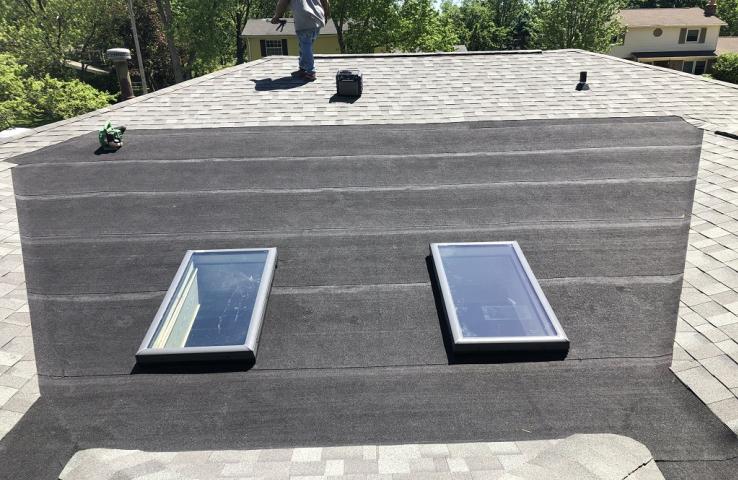
Flat roofs rely on continuous waterproof layers rather than overlapping tiles. The three main modern materials are EPDM, GRP fibreglass, and bituminous felt.
| Material | Typical Lifespan | Best For | Notes |
|---|---|---|---|
| EPDM Rubber | 30–50 years | Homes, offices | Flexible, long-lasting, and easy to repair |
| GRP Fibreglass | 25–40 years | Extensions, dormers | Seamless finish and low maintenance |
| Felt (Bituminous) | 10–20 years | Garages, sheds | Budget-friendly but shorter lifespan |
EPDM Rubber Roofing
A single-sheet synthetic rubber system offering durability, elasticity, and resistance to UV rays. It’s ideal for extensions and garages where cost and lifespan need to balance.
CRS Roofing Tip: We often pair EPDM with added insulation and drainage design to handle Berkshire’s variable rainfall.
GRP Fibreglass Roofing
A cold-applied liquid resin system that hardens into a single waterproof surface. It’s visually clean and perfect for complex shapes.
CRS Roofing Tip: GRP performs best when installed over a new, dry deck — we handle substrate preparation and detailing in-house for a seamless finish.
Felt Roofing
Still a cost-effective option for smaller roofs or temporary coverings. While modern torch-on felts are better than older versions, they require more regular checks.
CRS Roofing Tip: We recommend felt for garages, garden buildings, or where budgets are limited, with annual inspections to extend lifespan.
Roofing Material Comparison – Lifespan & Maintenance
| Material | Lifespan (Years) | Maintenance Level | Cost Range (per m², 2025) |
|---|---|---|---|
| Slate | 75–100+ | Low | £90–£130 |
| Clay Tile | 60–80 | Low–Moderate | £60–£90 |
| Metal | 40–70 | Low | £70–£150+ |
| EPDM | 30–50 | Low | £50–£80 |
| GRP | 25–40 | Low–Moderate | £70–£100 |
| Concrete Tile | 40–60 | Moderate | £40–£65 |
| Asphalt Shingles | 20–30 | Moderate | £40–£60 |
| Felt | 10–20 | High | £40–£60 |
CRS Roofing Advice:
Durability and whole-life cost matter more than just price per m². A slate or metal roof may cost more upfront but often lasts three times as long as felt or asphalt.
Eco-Friendly and Energy-Efficient Roofing Options
Modern roofing can combine performance with sustainability:
-
Metal roofs are 100% recyclable and reflect heat.
-
Clay tiles have a long lifecycle and natural origin.
-
Synthetic tiles often use recycled materials.
-
Green roofs (planted systems) improve insulation and biodiversity.
At CRS Roofing, we also advise on insulation upgrades, ventilation improvements, and solar-ready roofing to boost energy efficiency and reduce long-term running costs.
Choosing the Right Material – What to Consider
When choosing your roof covering, think about:
-
Roof Pitch and Structure – heavier materials need stronger framing.
-
Aesthetic Style – match the roof to your home’s age and character.
-
Maintenance Tolerance – low-maintenance materials reduce lifetime cost.
-
Local Climate – Reading's variable rainfall and winter frosts favour robust waterproofing.
-
Budget vs. Lifespan – balance upfront spend against decades of protection.
CRS Roofing – Local Expertise You Can Trust
As a Reading-based roofing contractor, CRS Roofing has decades of experience working across Berkshire, Oxfordshire, and Buckinghamshire. We're trusted for:
-
Transparent, no-obligation quotes within 72 hours.
-
Detailed roof surveys and honest advice.
-
Accredited installations with full workmanship guarantees.
-
24-hour emergency call-outs for leaks and storm damage.
Ready to Discuss Your Roofing Project?
Whether you’re planning a full roof replacement, flat roof upgrade, or emergency repair, our team is here to help.