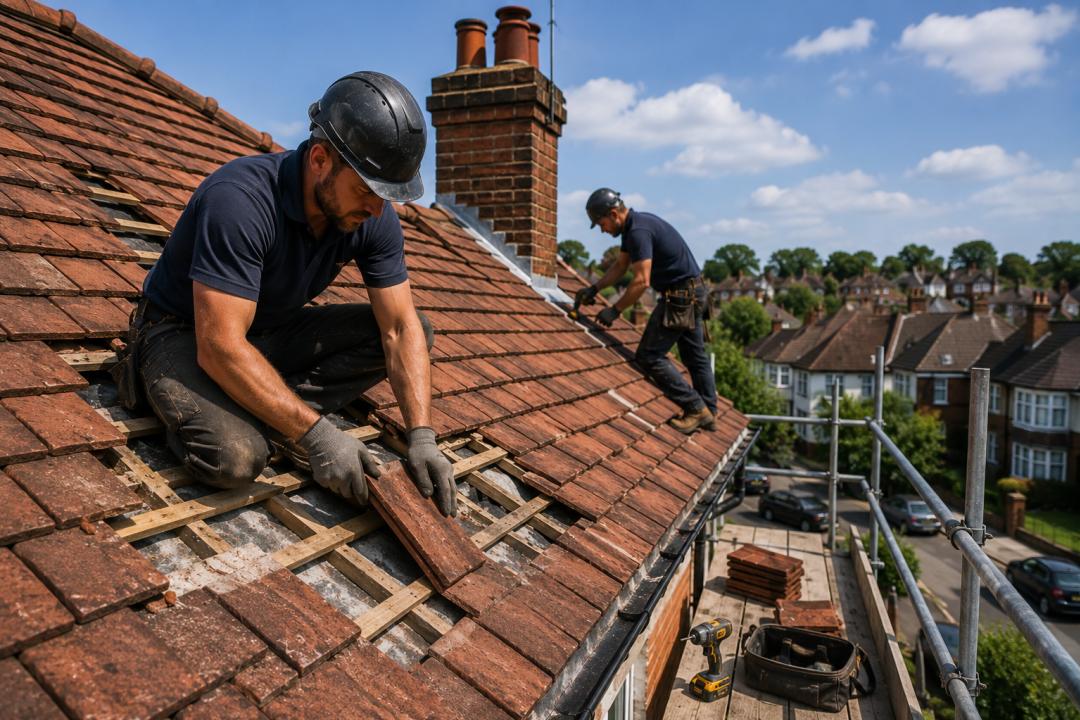

Tiled roofing systems are widely used across residential properties in Tooting, Wandsworth, and Dorking because of their durability, weather resistance, and traditional appearance. From Victorian terraces and semi-detached homes to modern extensions and loft conversions, tiled roofs remain one of the most reliable roofing options across South West London and Surrey.
Although tiled roofs are designed to withstand long-term weather exposure, they naturally deteriorate over time. Heavy rainfall, strong winds, ageing roof fixings, and seasonal temperature changes may gradually weaken roofing materials and create vulnerable areas across the roof structure.
Even relatively small roofing defects such as slipped tiles, damaged flashing, or minor leaks can eventually allow moisture to spread beneath the roof covering and affect insulation, timber supports, ceilings, and internal walls if repairs are delayed.
In many cases, homeowners only become aware of roofing problems after damp patches or ceiling stains begin appearing during periods of heavy rainfall.
Homeowners searching for professional roofing services in Tooting, Wandsworth, and Dorking often require experienced contractors capable of handling tiled roof repairs, leak detection, flashing replacement, storm damage restoration, and long-term roof maintenance.
What Is a Tiled Roofing System?
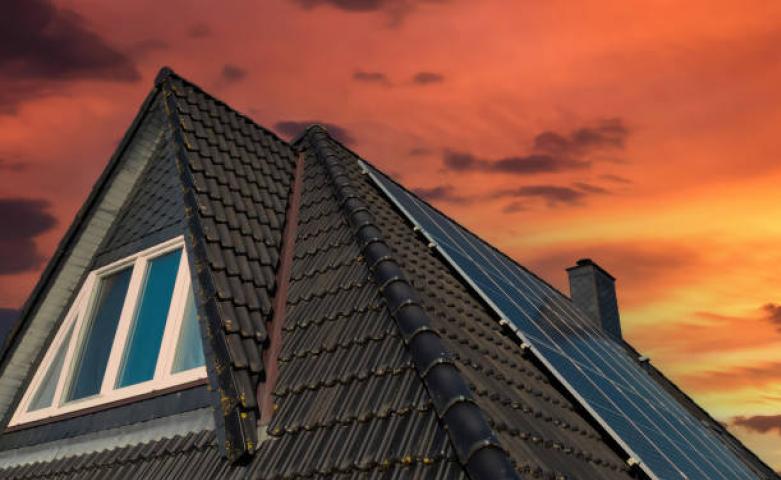
A tiled roofing system uses overlapping roof tiles to create a protective weather-resistant barrier across pitched roof structures.
Roof tiles are commonly manufactured from:
- clay tiles
- concrete tiles
- interlocking roof tiles
These materials are designed to direct rainwater safely away from the roof while protecting underlying structural components from moisture exposure.
Beneath the tiled surface, additional roofing layers including underlay membranes, battens, insulation, and timber rafters provide structural support and secondary waterproof protection.
Tiled roofs remain especially popular across older properties in Tooting, Wandsworth, and Dorking because they complement traditional architectural >
Why Tiled Roofs Require Professional Repairs
Weather Exposure Gradually Weakens Roofing Materials
Roofing systems are constantly exposed to changing weather conditions throughout the year, including:
- heavy rainfall
- strong winds
- frost exposure
- UV deterioration
- thermal expansion and contraction
Over time, these conditions may weaken roof tiles, ridge systems, flashing, and roof fixings.
For example, properties in exposed parts of Dorking may experience slipped roof tiles after periods of severe wind and prolonged rainfall, particularly on older roofs where fixings have naturally weakened with age.
Professional roof inspections help identify early signs of deterioration before larger structural problems develop.
Small Roof Defects Can Lead to Water Ingress
One of the most common roofing problems affecting tiled roofs is water penetration beneath damaged roofing sections.
Common entry points include:
- cracked roof tiles
- slipped tiles
- damaged flashing
- deteriorated ridge mortar
- roof valley defects
Once moisture enters the roofing system, it may gradually spread into:
- loft insulation
- timber rafters
- ceiling plaster
- internal wall areas
In many cases, water intrusion develops slowly and remains hidden long before visible damp patches appear inside the property.
Professional roof leak repairs help prevent more extensive structural damage and long-term moisture deterioration.
Roof Movement and Tile Slippage
Ageing roofing systems naturally shift over time because of:
- weather exposure
- roof vibration
- ageing fixings
- structural movement
- repeated thermal expansion
As roof tiles loosen or move out of position, gaps may form across vulnerable roofing sections.
Many homes in Wandsworth experience slipped roof tiles around chimney areas and roof valleys where movement and water exposure are often greatest.
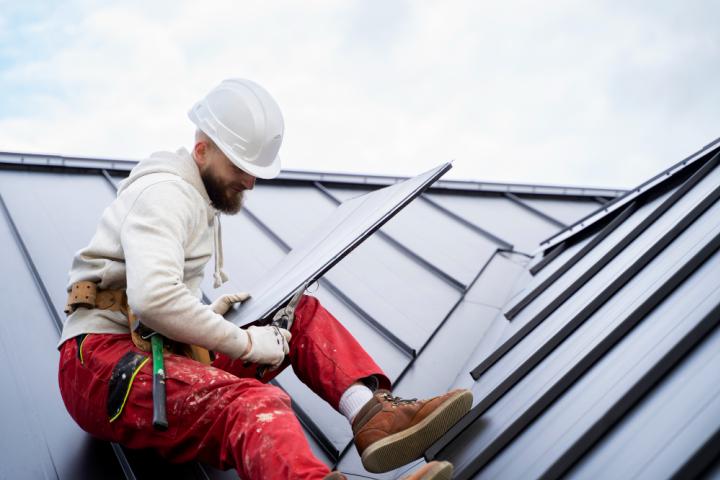
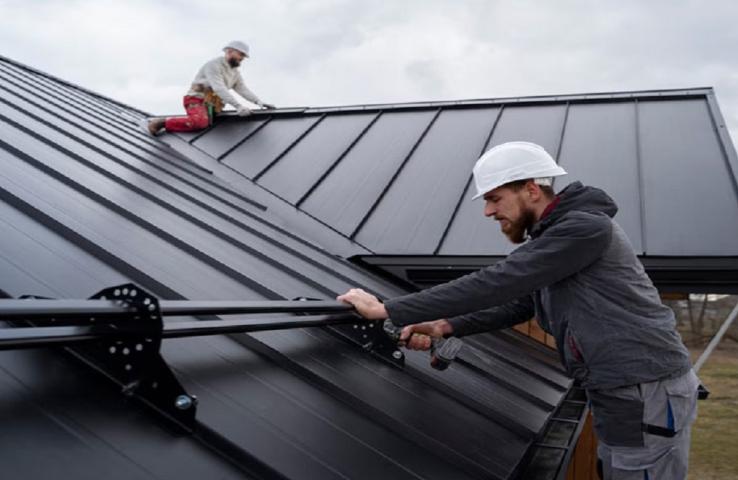
Professional roofing contractors can safely replace displaced tiles while checking for hidden structural damage beneath the roof surface.
Flashing Deterioration Around Roof Junctions
Lead flashing protects vulnerable roof joints around:
- chimneys
- dormers
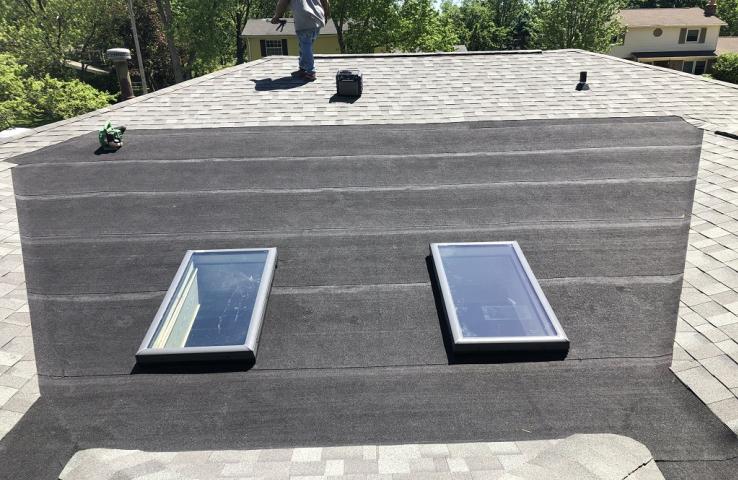
- skylights
- roof valleys
Over time, flashing may crack, loosen, or deteriorate because of prolonged weather exposure and natural material ageing.
Flashing failure is one of the leading causes of hidden roof leaks affecting older residential properties across South West London.
Professional flashing repairs help restore waterproof protection and reduce long-term moisture risks around roof junctions.
Drainage and Gutter Problems
Blocked or damaged gutter systems may allow rainwater to overflow onto roof edges and surrounding walls.
Over time, poor drainage may contribute to:
- fascia deterioration
- roof edge moisture damage
- damp problems
- increased water exposure around roofing materials
Routine gutter maintenance plays an important role in protecting tiled roofing systems from avoidable moisture-related damage.
Common Roofing Problems Across Tooting, Wandsworth and Dorking
Tooting
Many properties in Tooting feature ageing tiled roofs installed on Victorian terraces and semi-detached homes. Homeowners searching for tiled roofing Tooting services commonly require repairs for slipped roof tiles, ageing ridge mortar, flashing deterioration, and long-term weather exposure affecting older roofing systems.
Wandsworth
Homes in Wandsworth often experience roofing wear linked to ageing pitched roof systems and prolonged rainfall exposure. Property owners requiring tiled roofing Wandsworth services frequently experience cracked roof tiles, roof leaks, and weakened flashing around chimney stacks on older residential properties.
Dorking
Properties in Dorking are frequently exposed to harsher weather conditions, particularly in elevated or open residential areas. Homeowners searching for emergency roof repair Dorking services often require urgent assistance following storm damage, displaced roof tiles, roof leaks, and weather-related roofing deterioration.
Signs a Tiled Roof May Need Professional Repairs
Property owners should monitor for warning signs such as:
- water stains on ceilings
- damp loft insulation
- cracked or missing roof tiles
- debris collecting in gutters
- visible roof sagging
- mould or damp odours in loft spaces
Addressing roofing problems early is usually far more affordable than repairing widespread structural water damage later.
Benefits of Professional Roofing Services
Accurate Roofing Inspections
Experienced roofing contractors can identify hidden roofing issues that may not be visible during basic visual inspections.
Problems such as damaged underlay, weakened battens, or small flashing gaps may remain unnoticed until significant moisture penetration develops.
Long-Term Repair Solutions
Professional roofing repairs focus on restoring long-term roof performance rather than applying temporary fixes.
Properly installed repairs help improve weather resistance and reduce future roofing problems.
Improved Property Protection
Well-maintained roofing systems help protect homes from:
- water ingress
- mould growth
- insulation damage
- timber deterioration
- internal structural damage
Extended Roof Lifespan
Routine maintenance and timely roof repairs significantly improve the lifespan of tiled roofing systems.
Professional inspections also help property owners identify small defects before major restoration work becomes necessary.
Professional Tiled Roofing Repair Process
Step 1: Roof Inspection
Roofing specialists assess:
- tile condition
- flashing integrity
- roof stability
- drainage performance
- visible storm damage
Step 2: Damage Assessment
Contractors identify cracked, slipped, or missing roof tiles while checking surrounding roofing materials for moisture-related deterioration.
Step 3: Roofing Repairs
Repair work may include:
- tile replacement
- flashing restoration
- ridge tile repairs
- waterproof sealing
- roof reinforcement work
Step 4: Final Waterproofing Inspection
Final inspections ensure the roofing system remains secure, weather-resistant, and properly protected against future water ingress.
Preventative Roof Maintenance Tips
Property owners can reduce roofing problems by:
- arranging annual roof inspections
- cleaning gutters regularly
- replacing damaged roof tiles quickly
- checking loft spaces for damp
- monitoring flashing around chimneys
- arranging inspections after severe storms
Routine maintenance significantly reduces the likelihood of major roofing repairs.
Conclusion
Tiled roofing systems remain one of the most durable and reliable roofing solutions for properties across Tooting, Wandsworth, and Dorking. However, ageing roofing materials, prolonged weather exposure, flashing deterioration, and drainage problems may gradually create structural vulnerabilities if maintenance and repairs are delayed.
Professional roofing services help identify roofing issues early, restore damaged roof sections correctly, and improve long-term weather protection for residential properties.
By investing in preventative maintenance and timely roof repairs, homeowners can extend roof lifespan, reduce structural repair risks, and maintain safe, weather-resistant homes throughout the year.