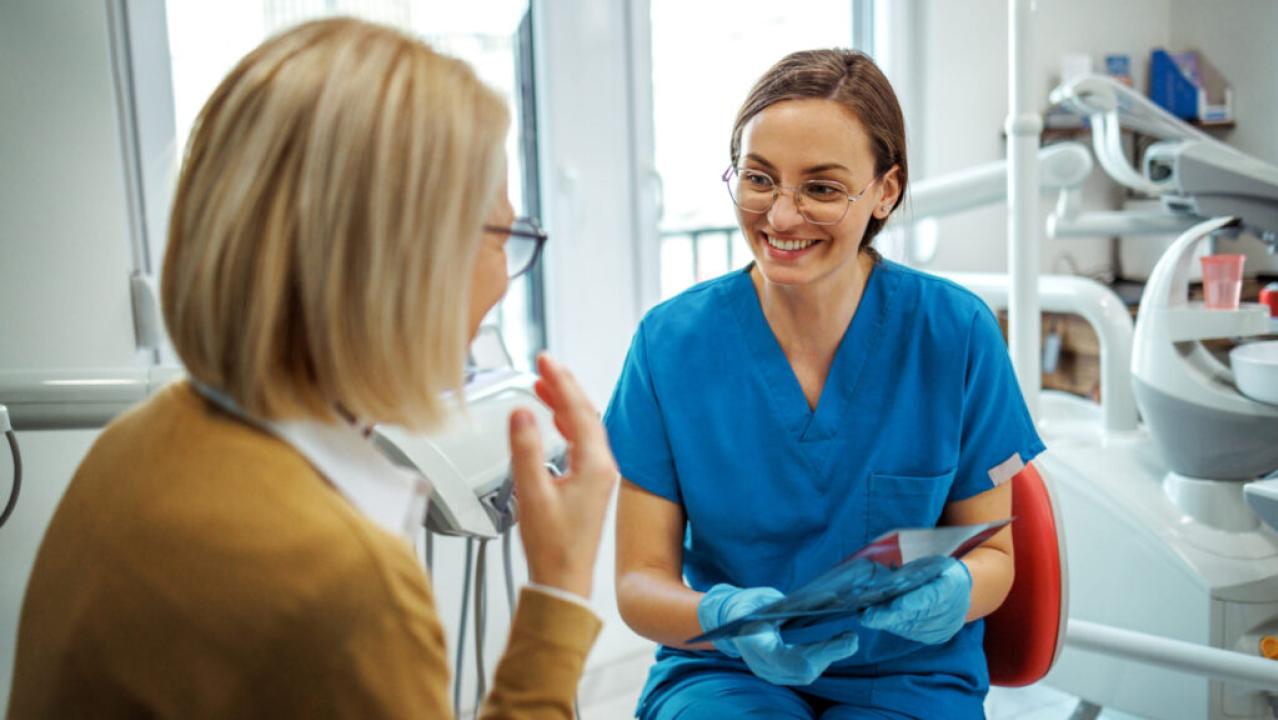
Dental problems rarely happen at a convenient time. A child may knock out a tooth at the weekend, an adult may develop severe toothache overnight, or a filling or crown may suddenly break. Knowing how to choose the right Emergency Dentist in Barnet before something goes wrong can help your family receive prompt, appropriate care.
A good emergency dental service should do more than simply relieve pain. The dentist should identify the underlying problem, explain your treatment options and provide appropriate follow-up care. At GM Dental And Implant Centre, our approach is centred on safe diagnosis, clear communication and treatment tailored to the individual patient.
What Counts as a Dental Emergency in Barnet?
A Dental Emergency in Barnet may include severe toothache, dental trauma, a broken or knocked-out tooth, significant swelling, uncontrolled oral bleeding or a lost restoration causing considerable discomfort.
Some problems require same-day assessment, while others can be managed with an urgent appointment. If you have severe facial or neck swelling that affects breathing or swallowing, uncontrolled bleeding, or a serious facial injury, NHS guidance advises seeking emergency medical care rather than relying solely on a dental appointment.
For a knocked-out permanent tooth, urgent dental assessment is particularly important because treatment can be time-sensitive.
How to Choose an Emergency Dentist in Barnet
When comparing practices, consider more than how quickly they can offer an appointment.
1. Check the dentist's professional registration
Dental treatment in the UK should be provided by appropriately registered dental professionals. The General Dental Council (GDC) requires dental professionals to work within their training, competence and scope of practice.
A reputable practice should also be transparent about the clinicians involved in your care.
2. Look for comprehensive emergency care
An emergency dentist should be able to assess the cause of your symptoms rather than simply provide temporary pain relief.
Depending on the diagnosis, treatment may involve:
Temporary or permanent restorations
Treatment of dental infection
Root canal treatment
Management of broken or damaged teeth
Extraction where a tooth cannot be predictably saved
Treatment following dental trauma
Replacement planning for missing teeth
The appropriate treatment depends on clinical examination and, where necessary, diagnostic imaging.
3. Consider what happens after the emergency
Emergency dentistry is often the beginning rather than the end of treatment. A suitable dentist should explain what caused the problem and whether further treatment is required.
For example, if a severely damaged tooth cannot be restored, replacing it may eventually involve a bridge, denture or implant. Tooth Implants In Barnet may be considered where clinically suitable, but implants are not automatically the correct solution for every patient. Factors such as oral health, bone availability, smoking and overall treatment suitability need to be assessed.
Ask About Emergency Appointments and Out-of-Hours Care
Before choosing a family dentist, find out how the practice handles urgent problems outside normal appointment times.
Ask:
How are emergency appointments requested?
Does the practice provide same-day urgent assessments?
What happens outside normal opening hours?
Who should you contact if a child has dental trauma?
Are emergency fees explained before treatment?
Clear emergency arrangements are an important part of patient communication and practice standards.
Why Experience Matters for Family Dental Emergencies
Families can experience very different emergencies. A child's dental injury requires a different approach from an adult with a fractured tooth or severe infection.
An experienced dental team should assess the immediate problem while considering the patient's age, medical history, existing restorations, oral health and long-term treatment needs.
This is particularly important where emergency treatment could affect future restorative or implant treatment.
What Should You Do Before Your Appointment?
If you experience a dental emergency, contact a dental practice promptly and explain your symptoms clearly. Tell the team if there has been trauma, swelling, bleeding, fever or a knocked-out tooth.
Do not delay urgent assessment simply because the pain temporarily improves. Dental pain can fluctuate while the underlying problem remains.
Conclusion: Choosing the Right Emergency Dentist in Barnet
Choosing an Emergency Dentist in Barnet should be based on clinical competence, accessibility, transparent communication and the ability to provide appropriate follow-up care—not simply the first practice appearing in search results.
At GM Dental And Implant Centre, Barnet we aim to provide patients and families with carefully assessed emergency dental care and clear treatment options. If you are experiencing a Dental Emergency in Barnet, contact the practice to arrange an assessment and discuss the most appropriate next step for your dental health.