A blocked drain can quickly turn from a minor inconvenience into a serious property problem. Slow drainage, unpleasant smells, overflowing toilets and wastewater backing up are all signs that your drainage system may need attention. When water or sewage starts coming back into your property, delaying action can increase the risk of flooding, contamination and expensive damage.
This is where emergency drain unblocking becomes essential. Professional drainage specialists can identify the cause of a blockage, clear it safely and help prevent the same problem from returning.
Key Takeaways
- Emergency drain unblocking is particularly important when wastewater or sewage is backing up.
- Multiple affected fixtures can indicate a blockage in the main drainage system.
- Stop unnecessary water use when a serious blockage occurs.
- Avoid repeatedly using chemical drain cleaners on stubborn blockages.
- Professional equipment can clear difficult obstructions and investigate recurring problems.
- CCTV surveys can help identify structural issues behind repeated blockages.
- Preventive maintenance can reduce the likelihood of future drainage emergencies.
What Makes a Blocked Drain an Emergency?
Not every blocked drain requires an emergency call-out. A sink that is draining slightly slower than normal may be something you can monitor or address with basic maintenance. However, a blockage becomes much more urgent when wastewater has nowhere to go.
Common warning signs include:
- Sewage or dirty water backing up into your property
- A toilet overflowing or refusing to flush
- Water rising in a shower or bath
- Multiple sinks, toilets or drains becoming slow at the same time
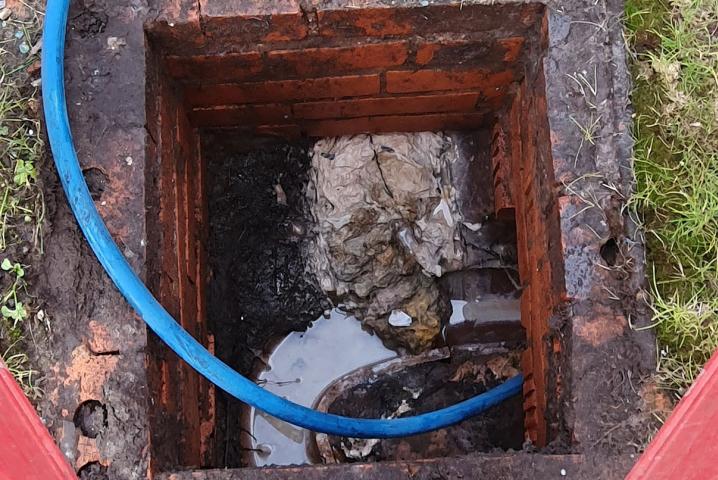
- Standing wastewater around an external drain or inspection chamber
- Strong and persistent sewage smells
- Gurgling sounds coming from drains and pipes
When several fixtures are affected at once, the problem may be further along the main drainage system rather than being limited to one household fitting. Acting quickly can help minimise disruption and reduce the possibility of water damage.
Common Causes of Emergency Drain Blockages
Drain blockages can develop gradually, but they can also happen suddenly. One of the most common causes is the build-up of fats, oils and grease, particularly in kitchen drainage. These materials can accumulate inside pipes and restrict water flow.
Other causes include:
Hair and Soap Deposits
Bathroom drains commonly collect hair, soap residue and other debris. Over time, this material can combine and form a stubborn blockage.
Foreign Objects
Items such as wipes, sanitary products, nappies and unsuitable materials can cause serious obstructions when flushed or washed into drainage systems.
Tree Root Intrusion
Roots can enter damaged or ageing pipes in search of moisture. Once inside, they can restrict flow and trap additional debris.
Broken or Damaged Pipes
A collapsed, cracked or displaced pipe can prevent wastewater from flowing normally. In these situations, simply clearing the blockage may not provide a permanent solution.
Heavy Debris and Silt
External drains can become blocked by leaves, mud, silt and other debris, especially after periods of heavy rainfall.
Understanding the cause is important because a recurring blockage may indicate an underlying drainage fault rather than a simple obstruction.
Why Professional Emergency Drain Unblocking Is Important
Trying to deal with a severe blockage yourself can sometimes make the situation worse. If wastewater is already backing up, continuing to use toilets, showers, washing machines or sinks can push more water into an already restricted drainage system.
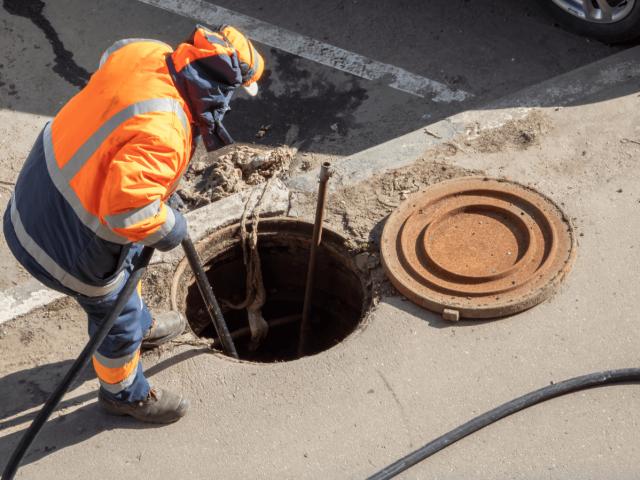
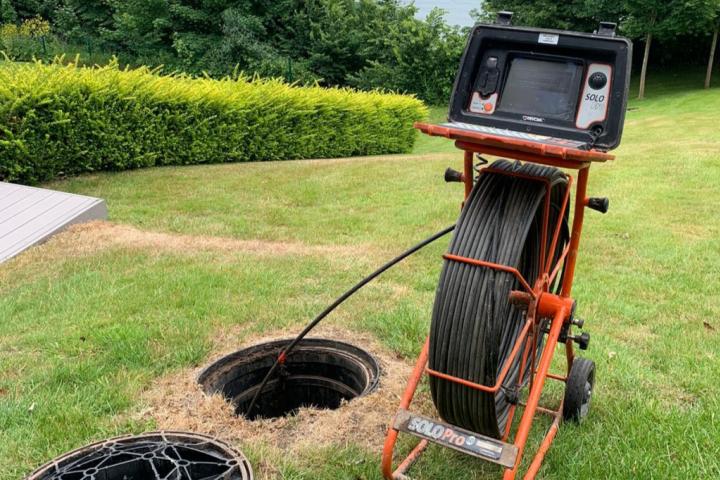
For a minor, accessible blockage, a plunger may sometimes help. However, persistent or severe blockages are better assessed by a drainage professional. Specialists have access to equipment such as mechanical rodding, high-pressure water jetting and CCTV drain inspection systems. These methods can help locate and remove obstructions while also identifying potential problems within the pipework.
Professional clearance also aims to restore proper flow rather than simply pushing an obstruction further down the system. Industry guidance highlights the importance of removing or breaking down blockage material appropriately while avoiding damage to the drainage system.
What to Do Before Help Arrives
If you are dealing with a serious blockage, a few simple steps can help reduce the risk of further damage.
Stop using affected facilities. Avoid flushing toilets or running water if wastewater is backing up.
Keep people away from contaminated water. If sewage has overflowed, keep children and pets away from the affected area and avoid unnecessary contact.
Avoid repeated chemical treatments. Pouring multiple chemical drain cleaners into a stubborn blockage may not solve the underlying issue and can create additional hazards.
Check accessible external drains carefully. If it is safe to do so, you may be able to identify obvious debris around an external drain. Do not enter chambers or handle sewage.
Contact a professional when the problem persists. If basic methods fail, multiple fixtures are affected or sewage is backing up, professional assistance is the safer option.
How Drainage Specialists Clear Difficult Blockages
The method used depends on the location and severity of the obstruction.
Drain rodding can be useful for certain accessible blockages, allowing engineers to physically break through or remove an obstruction.
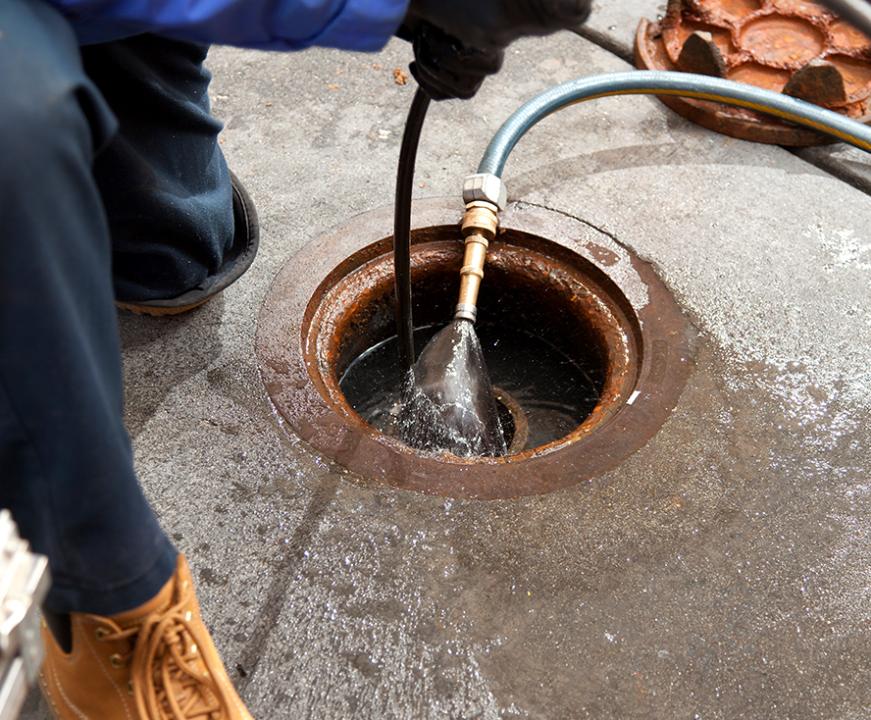
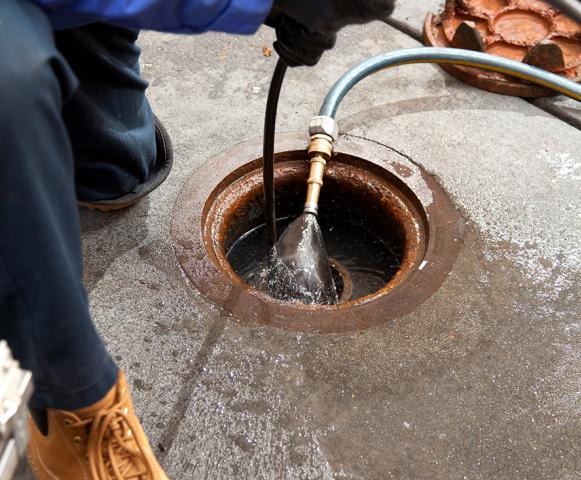
High-pressure water jetting uses pressurised water to clean the inside of drainage pipes and remove stubborn deposits, grease and accumulated debris.
CCTV drain surveys can provide a closer look inside the pipework. This can be particularly valuable when blockages repeatedly return because the underlying issue may involve cracks, root intrusion, displaced joints or other structural problems.
Using the appropriate technique means the drainage engineer can focus on solving the actual problem rather than repeatedly treating the same symptoms.
How to Reduce the Risk of Future Blockages
Once your drain is flowing again, prevention should become the next priority. Avoid pouring cooking fats and oils down kitchen sinks, and dispose of unsuitable waste in the correct way. Only flush materials that are designed to be flushed.
Regular maintenance can also help identify developing problems before they become emergencies. If you repeatedly experience slow drainage, bad smells or gurgling noises, do not simply wait for a complete blockage. Recurring symptoms may indicate a deeper drainage issue that needs investigation.
Keeping inspection chambers accessible can also make future inspections and maintenance easier. Local authority guidance similarly recommends avoiding fats and oils in drainage systems and keeping unsuitable objects out of drains.
Get Fast Help With Your Drainage Emergency
A blocked drain should never be ignored when wastewater is backing up, flooding is developing or essential facilities can no longer be used. Taking action quickly can help limit disruption and protect your property from further damage.
If you need reliable emergency drain unblocking, visit Precise Drainage to find out more about its emergency drainage services and get professional assistance for urgent drainage problems.
Frequently Asked Questions
1. When should I call for emergency drain unblocking?
You should seek professional help when sewage is backing up, wastewater is overflowing, multiple fixtures are affected, or an important toilet or drainage facility cannot be used safely.
2. Can I unblock an emergency drain myself?
Minor blockages may sometimes respond to a plunger or other basic method. However, severe, recurring or sewage-related blockages should be handled by a professional to reduce the risk of injury, contamination or pipe damage.
3. What causes emergency drain blockages?
Common causes include grease and fat, hair, unsuitable flushed materials, tree roots, accumulated debris, silt and damaged or collapsed pipes.
4. How do professionals find the cause of a recurring blockage?
Drainage engineers may use CCTV drain surveys to inspect the inside of pipework. This can help identify cracks, root intrusion, displaced joints and other structural problems that may be causing repeated blockages.
5. How can I prevent future drain emergencies?
Avoid putting fats, oils and unsuitable waste down drains, maintain external drainage areas and arrange professional inspection if you notice repeated slow drainage, bad smells or gurgling noises.