If you’re planning to launch a crypto wallet in 2026, the biggest question that may already be ringing in your mind is — “How much will it cost to build a secure and profitable crypto wallet?” Well, you’re in the right place. Let’s break it down in a simple, business-friendly way so you can plan smart and scale faster.
Whether you’re a startup founder or an SMB exploring new revenue streams, understanding the Crypto Wallet Development Cost will help you budget wisely and avoid unnecessary tech expenses. Ready? Let’s decode the future of wallet development.
Why Businesses Are Rushing Toward Crypto Wallet Development in 2026?
Crypto payments are no longer “the future”; they are the present. From small marketplaces to luxury brands and global fintech companies — everyone is adopting crypto. Guess what connects them all?
A secure, feature-rich, user-friendly crypto wallet.
2026 is expected to see massive wallet adoption thanks to rising Web3 applications, NFT transactions, DeFi utilities, and tokenized physical assets. So, if you're thinking about entering Web3, a branded crypto wallet is not an expense — it’s an investment.
Crypto Wallet Development Cost in 2026: A Realistic Estimation
Here’s the updated projection of what businesses may spend in 2026:
- Basic Crypto Wallet with essential features:
- Estimated: $35,000 – $60,000
- Advanced Multi-Chain Wallet with DApps, NFTs, Staking:
- Estimated: $70,000 – $120,000
- Enterprise-grade Crypto Wallet with Institutional Security:
- Estimated: $150,000 – $300,000+
These values vary according to blockchain support, security modules, compliance requirements, UI/UX complexity, and the development partner you choose.
Curious to calculate your exact Crypto Wallet Development Cost?
What Influences the Total Crypto Wallet Development Cost?
The cost isn’t random — it depends on your product vision. The following factors contribute to price variations:
Number of Supported Blockchains
More chain integrations = more developer hours.
Type of Wallet
Mobile wallets cost less than Web + Mobile + Browser extension versions combined.
Features & Functionalities
Security modules, multiple asset support, fiat on-ramps, staking, and swapping — each can increase budget.
Security Requirements
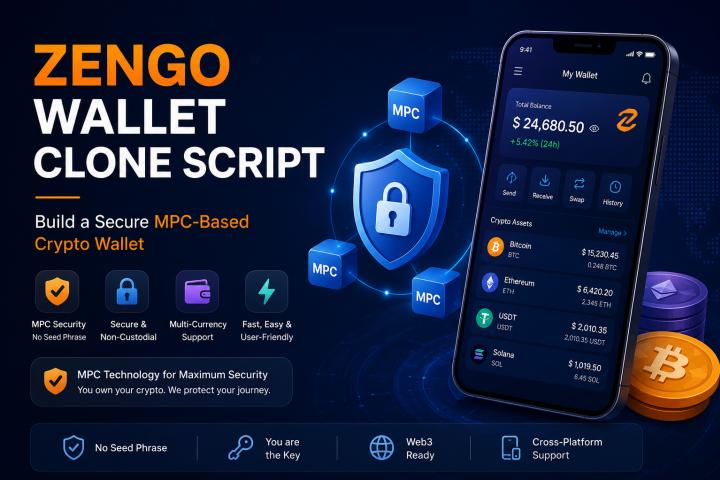
MPC wallets, biometrics, anti-phishing, seedless recovery = higher cost but better trust.
Compliance Integration
Regulations like KYC/AML APIs come with added cost.
Building a wallet is like building a house — the more rooms, the higher the price.
Cryptocurrency Wallet Types You Can Consider in 2026
Choosing the right type affects both development time and cost:
- Custodial Wallets → More control for businesses
- Non-Custodial Wallets → More control for users
- MPC Crypto Wallets → Faster login, seedless security
- Smart Contract Wallets → Highly automated Web3 interactions
- Multi-Chain Wallets → Wider audience and accessibility
Each category requires different engineering expertise — impacting total investment.
Ways to Reduce Crypto Wallet Development Cost Without Cutting Quality?
There’s good news. You can lower the cost and still boost performance. Here’s how:
- Choose an MVP launch first
- Opt for a white-label crypto wallet
- Integrate features in phases
- Use existing blockchain SDKs and libraries
- Hire experienced crypto wallet developers to avoid costly reworks
Smart founders invest in scalability, not one-time success.
Affordable Launch Approach for Startups in 2026
Not every organization needs to start big. Bootstrapped entrepreneurs and SMBs can leverage ready-made wallet frameworks. This trims 50–70% of development time and cost while giving full ownership of branding and revenue.
Want the fastest and budget-friendly way to launch? Here’s your perfect start:
👉 Check Estimated Crypto Wallet Development Cost
ROI: Why the Cost Is Worth It
Your cryptocurrency wallet isn’t a tech product — it’s a revenue engine. Here are monetization streams:
- Trading fees and transaction charges
- Token listing fees
- Staking and yield features
- Premium subscriptions
- Affiliate commissions and swaps
So even if you invest upfront, your wallet can help you recover capital quicker than traditional fintech solutions.
Conclusion
The Crypto Wallet Development Cost in 2026 depends on how futuristic and flexible your wallet idea is. From $35K for basic versions to $300K+ for high-performance solutions — your budget reflects your ambition. The more security, speed, blockchain support, and monetization features you choose, the stronger your future growth.
One thing is clear: With Web3 adoption rising dramatically, now is the smartest time to invest. If you want a fast, secure, and cost-efficient launch, understanding the cost structure is your first step toward success.
Ready to unlock the crypto wallet market?
Start by learning your exact Crypto Wallet Development Cost today — and build the future.