Think
of a high-quality packaging of a food item. Captivating visuals and the use of
great colors evoke that feeling of hunger.
But
opening the box brings something else. Food that is packed horribly. Why would
you even trust trying that food?
This
is a similar feeling to your readers when they open a book that lacks proper
layout design.
Many
authors fail to understand the importance of book layout design.
They
put all their efforts into the book cover, forgetting that the interior matters
just as much.
And
if you are still confused, is there something apart from the book content that
matters inside as well?
Yes,
it does! Continue reading to learn about book layout design and its
significance.
What Is Book Layout Design
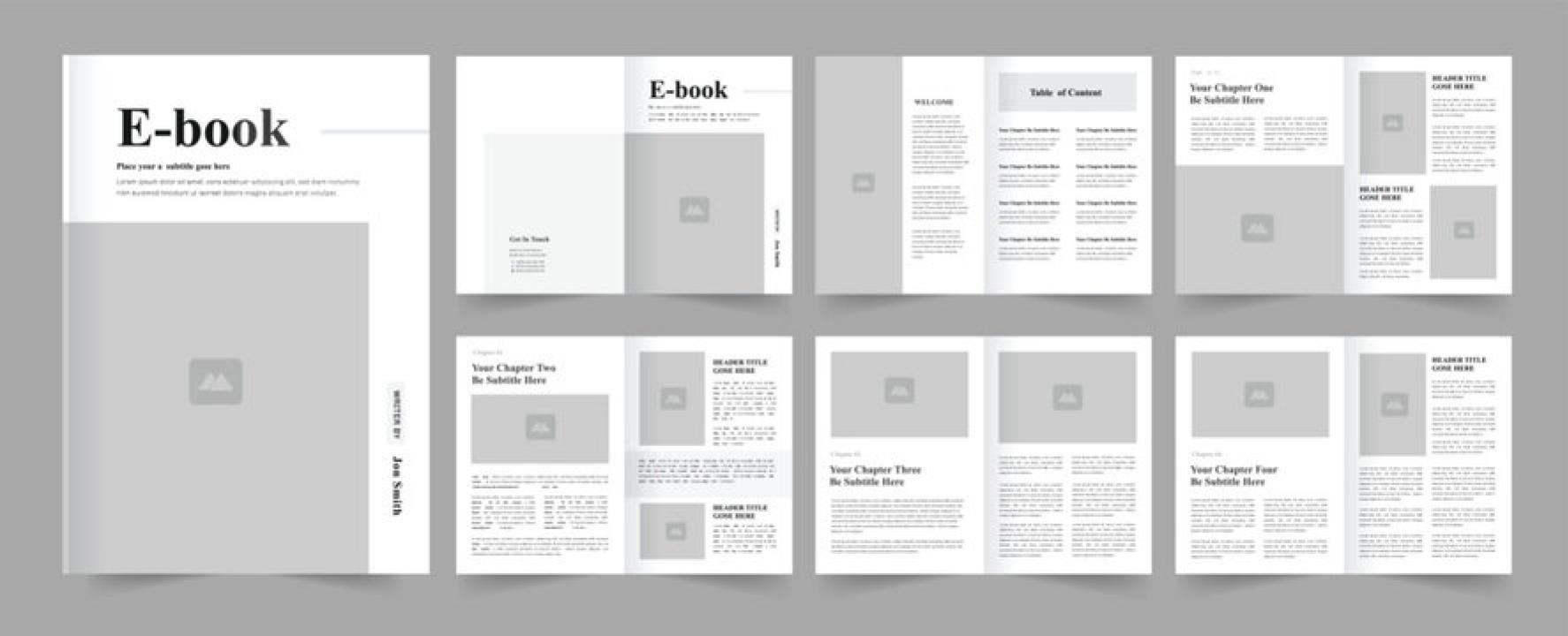
Book
layout design is simply the way you arrange the content of your book.
People
don't know about it, nor do they notice much. However, it gets noticed in one
scenario only when it is actually wrong!
The
main components of the book layout design are:
ü Font size
ü Margins
ü Alignments
ü Spacing
ü Heading arrangement
Think
of a reader who chooses your book based on its eye-catching cover.
The
reader then decided to skim the content of your book. It impressed them. But
the content written inside?
This
is where the problem begins.
The font >
This
is the reason the layout of your book is so crucial.
What Is The Significance Of A Book Layout Design?
Designing
the layout of your book is not only about giving a professional presentation.
Instead, the concept goes beyond that.
According
to research, algorithms have a 94% accuracy rate for recognizing and preparing
text image layouts.
This
means that the need for precise application of design principles is more
important than ever.
Now,
let's take a look at why book layout design matters for your book.
1.
Immersive Experience
Even
a good story would fail to attract readers if it is not presented
appropriately. The right choice of fonts and spacing can transform the reading
experience.
They
provide a visually appealing environment that allows the reader to stay
immersed in the story.
2.
Improved Readability
Layout
design is responsible for readability. An appropriate design prevents
distraction and allows the reader to follow the text easily.
These
details ensure that readers enjoy a smooth flow of text and comprehend
information more easily.
3.
Sets The Tone
A
kids
book illustration services
will engage your audience immediately. But a great layout design? It is
responsible for setting the tone of your book.
From
typography to color schemes, every detail describes the mood of your book to
its intended audience.
4.
Grabs Attention
An
eye-catching cover will bring the readers to your book. But when it comes to
book layout design, it is responsible for connecting the readers throughout
their reading journey.
The
typography and page structure will keep the readers engaged in your book.
5.
Reflects Professionalism
A
strong book layout design is responsible for demonstrating professional
aesthetics in your work.
It
shows the reader that you are a credible choice when it comes to choosing an
author. This, in turn, helps you gain a competitive advantage in the publishing
market.
Elements Of Book Layout Design
1.
Typography
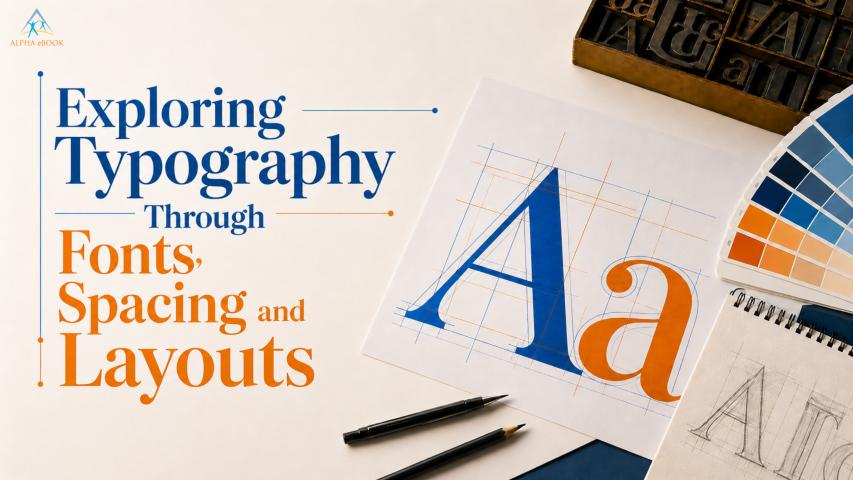
Typography is the choice of font you make for your book. An appropriate font with the right >
Each
genre has a specific font, so make sure to do the research and use the font
that pleases the reader's eye.
Most
commonly used fonts are
ü Garamond
ü Caslon
ü Helvetica
ü Baskerville
ü Arial
2.
White Space
Think
of the text of your book without any spaces. It would probably overwhelm the
reader.
Moreover,
too much of the text often causes confusion. The cluttered look ruins the
reading experience. This is why it is necessary to leave ample space between
the texts.
Especially
if you have used images, white space should be prioritized first for a clean
look.
3.
Trim Size
Trim
size is the final dimension of your book after removing the excess paper during
printing. It is usually important for hardcovers and paperbacks.
If you are planning to go for print-on-demand
services, you should be well aware of this aspect.
Trim
sizes vary by genre, and the common ones are,
|
Non-fiction |
Children: |
Fiction |
|
5.5 x 8.5, 7 x 10 |
7.5 x 7.5, 7 x 10 |
5 x8, 6x9 |
4.
Margins
Well-proportioned
margins are necessary for readability in your book. Margins ensure that the
text of your book has sufficient space in between.
Proper
margins will ensure that the reader easily holds the book without their hands
covering the text.
The
types of margins in a book are:
|
Top margin |
Used for titles, running heads, and
the chapter names |
|
Bottom margin |
Used for page numbers |
|
Inside margin (gutter) |
Used between the text and the inside
edges of the bound books |
|
Outside margin |
Used between the text and the outer
edge |
5.
Alignment
Alignment
is the position of your text lines. It adds consistency in the reading
experience and gives a professional appearance to the book.
The
types of alignment are:
|
Left alignment |
Right alignment |
Center alignment |
Justified alignment |
|
Easy to read, works for digital
content |
Used for specific design elements |
Used for titles, headings, and short
lines |
Gives a neat look, popular choice
for books |
FAQS
1) Who is responsible for designing the
layout of a book?
A book designer works on designing the layout
of the book. They create sample layouts and specs for your book, which are
added to a design document by a typesetter.
2) What are the most significant
principles of a layout design?
The core principles of a layout design are
emphasis, white space, proportion, balance, contrast, repetition, and
alignment. This ensures that the text or image has a center of focus for the
reader.
3) What is the best file type for a book
design?
The most common file types used in children's book publishing are Adobe InDesign, Microsoft Word,
and PDF. The type of file also influences the costs and ease associated with making
changes to your book.
Wrapping Up
No
matter how great your story is, a reader will only give it a chance if it is presented
the right way. As an author, you should never forget about investing time in
your book's design layout. A proper layout ensures that the reader stays
engaged in your book. From the right margins to industry-specific fonts, each
detail plays a key role in setting a positive first impression, so make sure to
do it the right way!