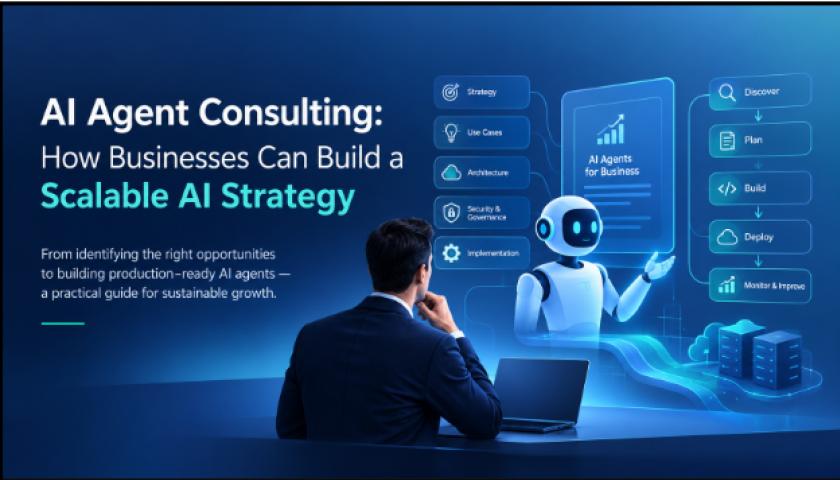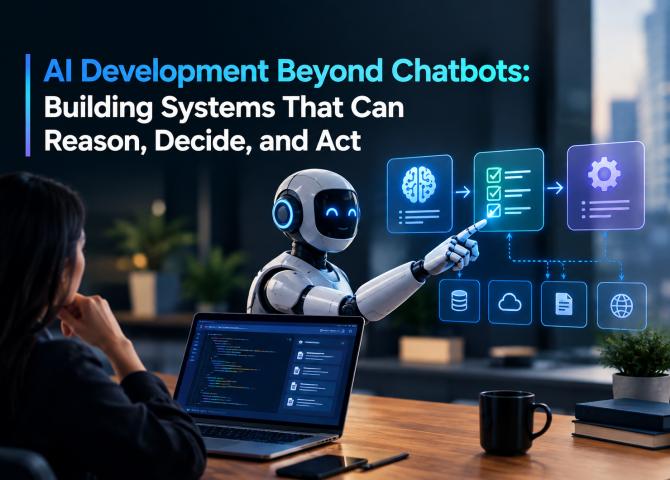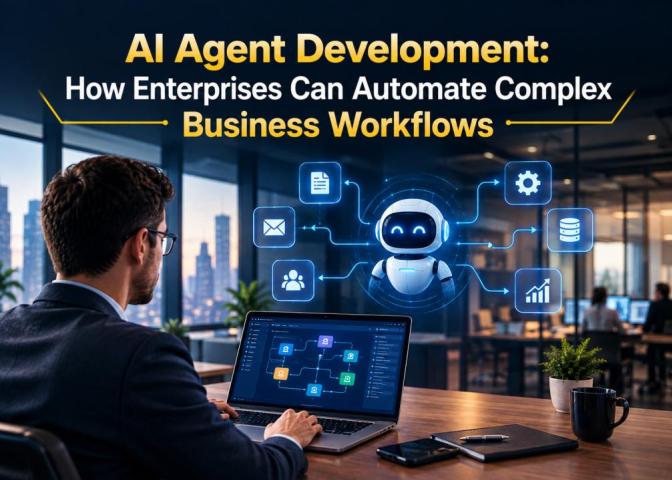
Artificial Intelligence has transitioned from a futuristic idea to a business priority for modern enterprises. As organizations embrace digital transformation, AI integration becomes an essential step toward improving efficiency, decision-making, and innovation. A clear roadmap allows enterprises and startups to align AI initiatives with business objectives, ensuring consistent performance gains and measurable ROI. With the guidance of a reliable AI integration company, businesses can navigate the complex journey of integrating intelligent systems effectively. Strategic planning and execution through professional AI Integration Services create the foundation for sustainable success.
Establishing the Strategic Vision
Building an AI integration roadmap begins with a strong foundation and a clear strategic vision. For enterprises, this means identifying where AI can create the most business value. It’s not just about technology deployment but aligning every initiative with measurable goals. Organizations must start by evaluating which functions whether customer service, logistics, or analytics can benefit most from intelligent automation or predictive insights.
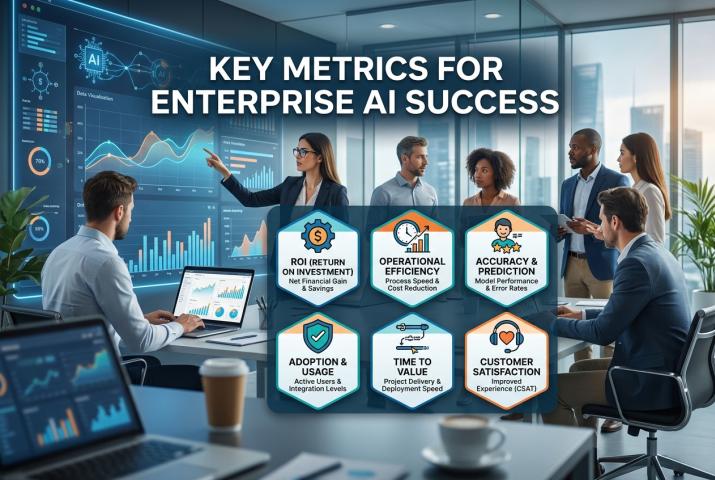
Key actions at this stage include assessing organizational readiness, understanding market dynamics, and defining success metrics. Decision-makers should also ensure that ethical standards and governance frameworks are integrated from the start to prevent compliance issues later.
A well-defined strategic vision turns AI from an experimental concept into a structured business enabler. Startups benefit by gaining competitive agility, while enterprises gain the ability to scale innovation across departments in a controlled, measurable way.
Building the Data Foundation
Data is the driving force behind successful AI integration. Every prediction, insight, or automated process depends on the accuracy and quality of underlying data. Before implementing any model, organizations must ensure that data systems are consistent, clean, and compatible across departments.
Building a strong data foundation involves:
- Auditing existing data infrastructure for accuracy and relevance.
- Establishing centralized governance to prevent silos.
- Implementing standardized data formats and metadata structures.
- Maintaining compliance with data protection laws like GDPR.
- Investing in tools for real-time data collection and processing.
By improving data quality and consistency, organizations enhance the reliability of AI-driven outcomes. Collaborating with specialists in AI Integration Consulting helps align technical and business aspects, ensuring that AI systems draw from trustworthy data sources. Clean and contextual data translates directly into faster insights and improved operational efficiency.
Designing a Scalable AI Architecture
Once the vision and data strategy are in place, attention turns to the technical infrastructure that supports AI systems. Scalability, flexibility, and security form the backbone of successful AI implementation. Enterprises must design architectures capable of handling diverse data types, real-time processing, and future model expansions.
Modern AI architectures often combine cloud infrastructure with on-premise systems, enabling hybrid deployment models that balance performance and compliance. APIs, automation frameworks, and orchestration tools simplify integration with legacy applications, ensuring minimal disruption during rollout.
To future-proof investments, organizations should adopt modular systems that support emerging technologies like machine learning pipelines, neural networks, and data orchestration tools. A scalable AI architecture enables continuous improvement, making it easier to adapt to market shifts or integrate new capabilities without complete system overhauls.
By leveraging advanced AI integration solutions, enterprises can streamline their operations while maintaining flexibility to innovate. This foundation ensures that AI remains an evolving asset rather than a one-time project.
Prioritizing and Implementing AI Use Cases
An AI roadmap is only as strong as its execution strategy. Rather than implementing AI across the entire organization at once, leaders should focus on high-impact areas that deliver measurable value quickly. Prioritization ensures that resources, teams, and technology investments align effectively.
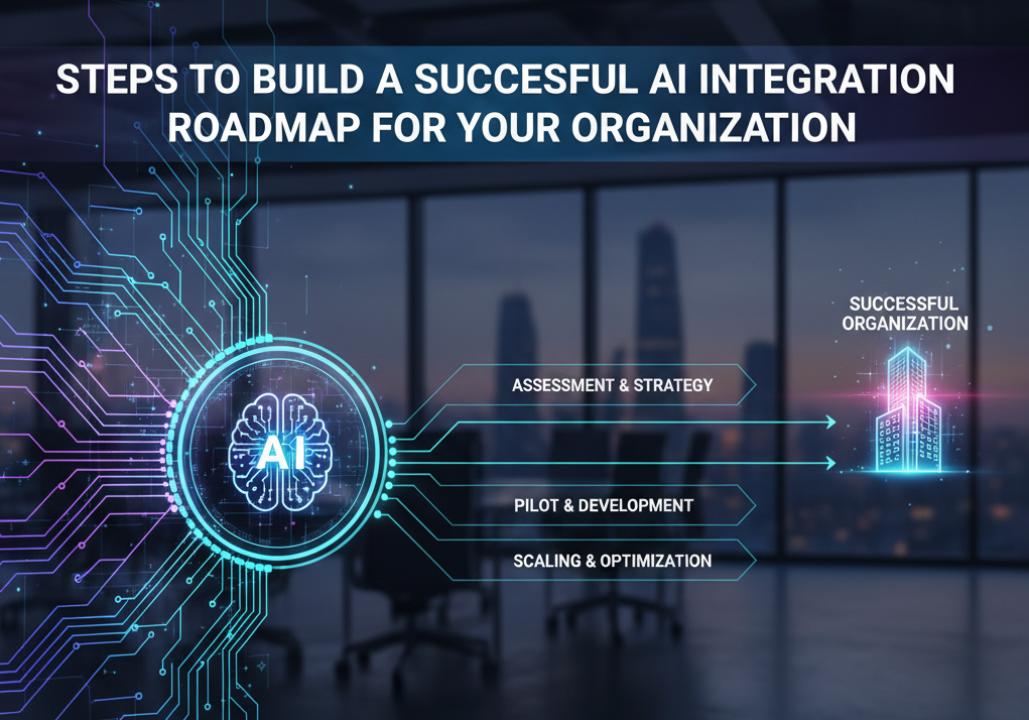
The implementation process typically follows these stages:
- Assessment: Evaluate which business processes can benefit most from AI adoption.
- Pilot: Test AI applications in controlled environments to measure performance and ROI.
- Evaluation: Collect feedback and refine models based on results.
- Expansion: Scale successful pilots across departments or business units.
- Monitoring: Continuously assess model performance, reliability, and compliance.
Incremental implementation helps enterprises build confidence and establish internal best practices. This approach minimizes operational risks while ensuring visible progress. Working with experienced providers of Artificial Intelligence Integration Services helps manage this transition efficiently, enabling businesses to scale AI initiatives without disrupting existing systems.
Managing Change and Driving Adoption
Even the most advanced AI system fails without user adoption. Change management bridges the gap between technology and people. It prepares teams for new workflows, builds trust in AI-driven decisions, and aligns the workforce with organizational transformation goals.
Effective change management includes:
- Transparent communication about AI’s purpose and benefits.
- Employee training on AI tools and data literacy.
- Cross-functional collaboration between business and tech leaders.
- A feedback mechanism to monitor adoption and satisfaction.
Culture plays as big a role as technology in AI success. Organizations that balance technical and human factors achieve faster adoption and sustained ROI. Consulting firms offering Generative AI Consulting often emphasize workforce adaptation as a key enabler of transformation.
FAQs
1. What is the importance of having a defined AI integration roadmap?
An AI integration roadmap provides clarity, reduces risks, and aligns AI initiatives with business strategy. It helps enterprises track progress, manage resources efficiently, and achieve long-term value from AI investments.
2. How can AI Integration Services benefit large organizations and startups?
AI Integration Services enable organizations to modernize operations, automate key functions, and improve decision-making. Enterprises gain scalable efficiency, while startups can innovate faster and compete with established market players.
3. What factors should enterprises consider before partnering with an AI integration company?
Before selecting a partner, businesses should evaluate the provider’s experience, technical expertise, case studies, and understanding of industry-specific challenges. The right company ensures smooth implementation and measurable business outcomes.
4. How do AI integration solutions enhance operational performance?
AI integration solutions connect intelligent systems across departments, improving process efficiency and data-driven decision-making. They enable organizations to optimize workflows, enhance customer experiences, and reduce operational costs.
5. Why is AI Integration Consulting important for long-term success?
AI Integration Consulting helps organizations identify realistic opportunities, design scalable models, and ensure governance across all AI initiatives. It combines strategic guidance with technical implementation to secure sustainable growth.
Conclusion
Developing a successful AI integration roadmap requires clarity, commitment, and collaboration. From defining the strategic vision to managing organizational change, every stage must connect business goals with technological capability. With a structured approach and the expertise of trusted professionals, enterprises and startups can integrate AI in a way that drives measurable results.
Organizations ready to take the next step can explore AI Integration Services designed to enhance efficiency, scalability, and innovation. When done right, AI integration becomes not just a technology investment but a long-term strategy for growth and competitive advantage.