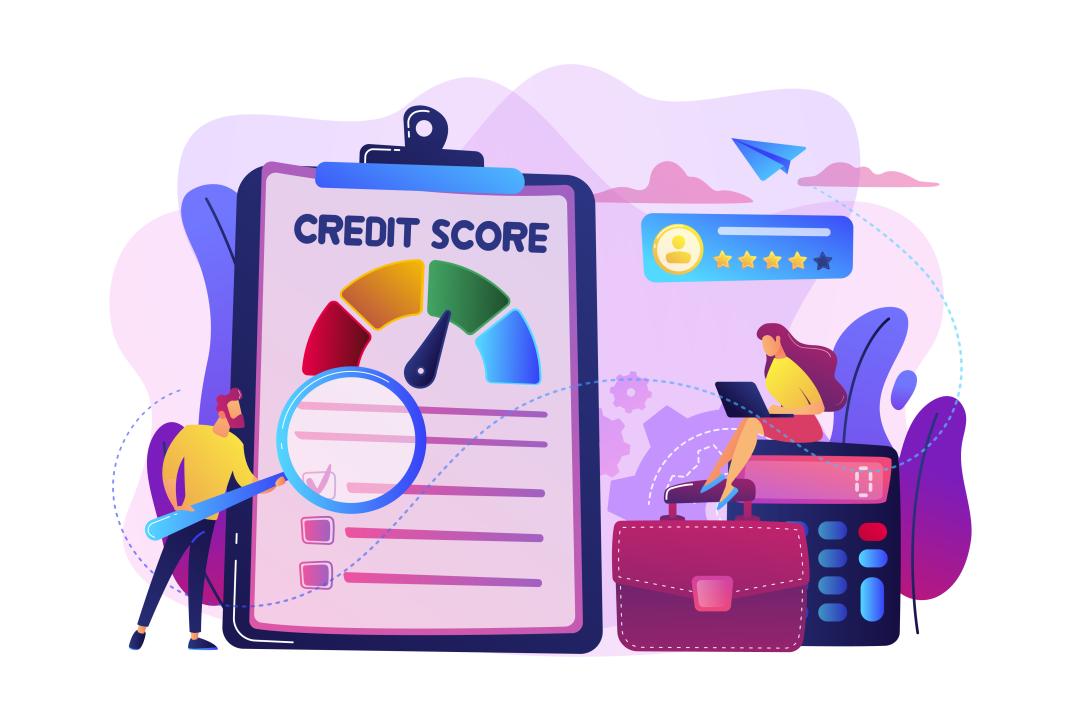
In the modern world, financial success isn’t just about how much you earn — it’s about how wisely you manage your credit. One of the most important measures of your financial health is your credit score. This small, three-digit number holds the power to shape your financial future, influencing everything from loan approvals to interest rates and even job opportunities.
Yet, many people underestimate its importance until they face challenges securing a loan or credit card. Understanding how your credit score works and why it matters can help you make smarter financial decisions and open the door to a lifetime of better opportunities.
What Is a Credit Score?
A credit score is a numerical representation of your creditworthiness — a measure of how likely you are to repay borrowed money. In India, credit scores typically range between 300 and 900, and a score above 750 is generally considered strong.
This score is calculated by credit bureaus based on your financial activities, including loans, credit card usage, and repayment history. Lenders, such as banks and non-banking financial companies (NBFCs), rely on this score to assess the risk of lending money to you.
Here are the major factors that influence your credit score:
Payment History: Your track record of paying bills and EMIs on time.
Credit Utilization Ratio: The percentage of your available credit limit that you’re using.
Length of Credit History: The age of your credit accounts — older accounts usually help.
Credit Mix: A balance between secured (like home or car loans) and unsecured (like credit cards or personal loans) credit.
New Credit Inquiries: Frequent applications for new credit can temporarily lower your score.
Together, these elements tell lenders how responsible and reliable you are with money.
Why Your Credit Score Matters
Your credit score impacts far more than just loan eligibility. It affects nearly every financial opportunity that comes your way. A high credit score can help you secure better interest rates, higher credit limits, and faster approvals. On the other hand, a low score can make borrowing difficult or expensive.
Here’s how your score influences your financial life:
Loan Approvals: Lenders are more comfortable lending to individuals with higher scores.
Interest Rates: Better credit scores qualify for lower interest rates, reducing total repayment costs.
Credit Card Offers: Premium and reward-based credit cards often require excellent credit scores.
Borrowing Limits: Higher scores give you access to larger loans or credit limits.
Financial Reputation: A solid score reflects financial discipline, which helps in professional and personal credibility.
Simply put, maintaining a strong credit score gives you the flexibility and financial confidence to achieve your goals with ease.
Why Credit Score is Required for Car Loan
Buying a car is a major financial milestone, and for most people, it involves taking a car loan. However, before a lender approves your car loan application, they carefully evaluate your credit history to assess your repayment capability. That’s why Credit Score is Required for Car Loan approvals.
A high credit score signals that you are a responsible borrower who can manage monthly EMIs on time. It assures lenders that lending to you involves minimal risk. Conversely, a low or poor credit score may make lenders hesitant. They may respond by:
Offering a smaller loan amount
Charging higher interest rates
Requesting a guarantor
Asking for additional proof of income
Or even rejecting the application altogether
Therefore, if you’re planning to buy a car soon, it’s smart to check your credit score and address any issues before applying. A strong score can make the entire process faster, easier, and more affordable.
Steps to Improve Your Credit Score
Improving your credit score doesn’t happen overnight, but with discipline and consistent financial habits, you can steadily raise it over time. Here are some proven strategies:
Pay on Time: Late payments can drastically reduce your score. Always pay your EMIs, credit card bills, and utility bills on time.
Limit Credit Usage: Avoid using more than 30% of your total credit limit. Keeping your credit utilization low shows financial control.
Avoid Frequent Applications: Every loan or credit card application creates a hard inquiry that can temporarily reduce your score.
Keep Older Accounts Active: The longer your credit history, the better it is for your score. Avoid closing old accounts unnecessarily.
Check Your Credit Report Regularly: Mistakes can occur. Reviewing your report helps catch and fix errors before they harm your score.
These small but consistent actions can significantly improve your credit profile over time.
Modern Tools to Build Credit
In recent years, technology has made it easier to monitor and improve your credit score. Many digital platforms now offer tools and programs to help individuals build or rebuild their credit.
One frequently asked question in this space is: Is Kikoff a Good Credit Builder?
Kikoff is one of several digital credit-building platforms designed to help users establish credit by reporting consistent, on-time payments to credit bureaus. It can be a great tool for individuals with limited or damaged credit histories who want to demonstrate responsible financial behavior. However, like any tool, its effectiveness depends on consistent use. Users must make regular payments and manage their finances carefully to see real improvement in their scores.
Digital credit builders like Kikoff, Self, and others have made financial inclusion easier by giving everyone — especially new borrowers — a chance to prove their creditworthiness.
The Broader Impact of a Good Credit Score
A good credit score not only influences loans and credit cards but also extends to many other areas of life. For instance:
Housing: Many landlords check credit scores before renting out apartments.
Employment: Certain companies verify credit histories as part of background checks.
Insurance: Some insurers offer lower premiums to individuals with high credit scores.
Financial Confidence: A strong score provides peace of mind and freedom to make big financial decisions without stress.
Essentially, your credit score reflects your financial integrity — and that carries weight in multiple aspects of your life.
Final Thoughts
Your credit score is much more than a simple number — it’s a mirror of your financial discipline and reliability. It affects how easily you can borrow, the cost of borrowing, and even your access to various financial products.
By understanding the factors that shape your credit score and committing to responsible credit behaviour, you can build a strong foundation for a stable financial future. Whether you’re planning to buy a car, apply for a home loan, or simply improve your financial standing, maintaining a healthy credit score will always work in your favor.
With patience, consistency, and the right tools, you can turn your credit score into one of your greatest financial strengths.