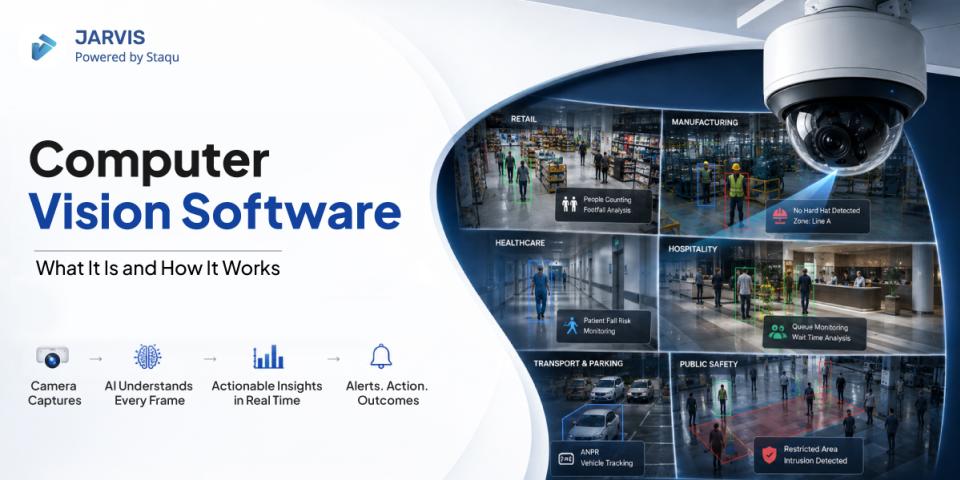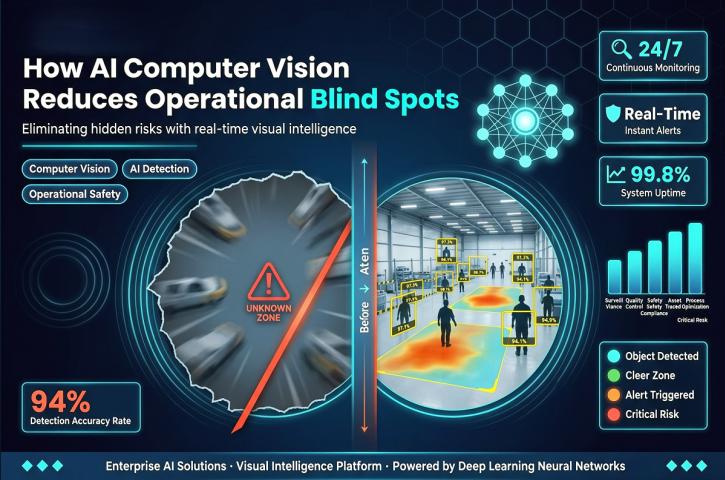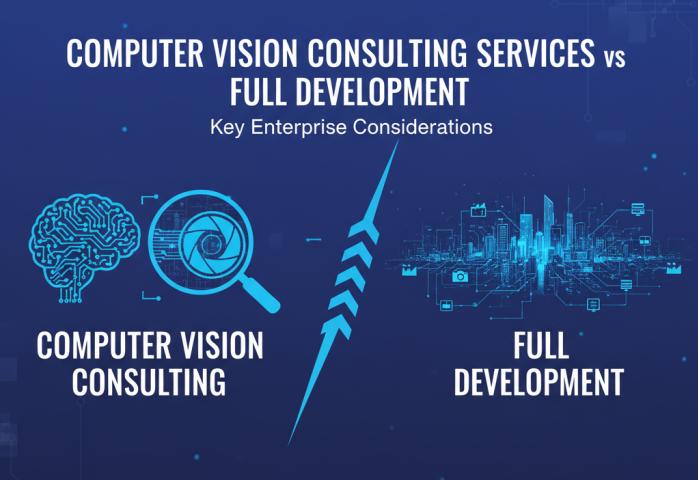
Enterprises and well-funded startups continue to invest in advanced visual intelligence to strengthen operational accuracy and achieve measurable improvements across large workflows. Many organizations now face a strategic decision when exploring Computer Vision Services. They must determine whether their transformation journey should begin with consulting or whether they should commit directly to full development. Both paths offer benefits depending on the company’s technical maturity, available data, and urgency of automation. This article explains how leaders can evaluate these two approaches while ensuring they support long-term scalability, realistic budgets, and consistent performance across complex environments.
Enterprise Priorities When Comparing Consulting and Development
The comparison between consulting and full development often begins with an assessment of organizational readiness. Consulting provides clarity when requirements are uncertain or when stakeholders need validation before large investments are approved. Development becomes the preferred option when teams already understand their objectives and need production-grade solutions quickly. Large enterprises often use consulting as a risk-management step, while high-growth startups use it to refine their product vision.
Decision-makers typically evaluate several factors. They look at the state of their current datasets, whether annotation work is required, and the level of integration expected with internal platforms. They also consider infrastructure limitations, regulatory requirements, and the budget size available during each phase. A clear evaluation helps teams identify whether a staged implementation or an immediate build is likely to produce stronger outcomes. Organizations that manage these considerations early reduce the possibility of scope changes and delays later in the development cycle.
The Strategic Role of Consulting in Enterprise Adoption
Consulting helps shape the foundation for effective planning, budgeting, and technical execution. It creates a structured path that guides teams through feasibility analysis, risk identification, and prioritization of use cases. Many organizations enter the field of visual intelligence with broad ideas but limited clarity regarding real-world impact. Consulting resolves this by focusing on achievable results based on existing data, available infrastructure, and operational realities.
Consultants typically support teams in several ways:
- Aligning process challenges with realistic automation goals
- Reviewing datasets to identify quality, size, and variation
- Estimating accuracy levels based on preliminary samples
- Outlining infrastructure plans for cloud, on-premise, or edge deployment
- Highlighting regulatory or compliance risks
- Creating high-level budgets based on actual operational requirements
These insights help organizations avoid unnecessary development cycles and ensure that projects remain financially and technically practical. For enterprises with multi-layered approvals, strong consulting support brings internal alignment across IT, operations, and compliance teams. Startups benefit by establishing a clear product roadmap that improves investor confidence and reduces the risk of unpredictable engineering timelines. When Full Development Becomes the More Effective Option
Full development becomes the preferred path when teams require production-ready systems that can scale across multiple environments. Organizations pursuing automation at high speed often move directly into development because their objectives, data sources, and technical dependencies are already well understood. In these cases, development ensures consistent performance and measurable ROI across workflows that depend on precise visual analysis.
Development teams focus on engineering reliable computer vision solutions designed for real-time use. This includes model training, optimization, and integration with existing infrastructure. Systems may need to interact with IoT devices, ERP platforms, or specialized hardware. For environments with strict quality requirements or safety regulations, development ensures that accuracy remains stable even when conditions change frequently.
Startups may also choose full development when they aim to bring a product to market quickly. Investors often expect visible progress, and operational teams need high-performing features to support early customers. In these scenarios, a direct transition into engineering helps teams avoid unnecessary delays and drives tangible results faster.
Budget Considerations and Long-Term Financial Planning
Budget planning influences every decision between consulting and development. Consulting generally involves shorter engagements with predictable costs, while development requires ongoing investment. Leaders must consider the full scope of engineering work, infrastructure configuration, testing cycles, and maintenance requirements before committing to large-scale deployment.
Common cost contributors include:
- Data preparation, cleaning, and annotation
- Model training and refinement
- Integration work with internal systems
- Specialized hardware or edge computing devices
- Continuous testing and quality control
- Monitoring, retraining, and security updates
By understanding these factors early, organizations make more accurate long-term financial decisions. A strong consulting phase often reduces development waste and prevents budget overruns, especially in environments with complex workflows. This aligns the solution with both short-term operational goals and long-term transformation objectives.
Building Long-Term Alignment With Enterprise Transformation Goals
Successful adoption requires more than functional models. It requires alignment with organizational strategy, technical infrastructure, and long-term expectations. Leaders must ensure that visual intelligence is positioned as part of a broader AI roadmap rather than an isolated initiative. This approach enables more sustainable planning, predictable outcomes, and continuous improvements.
Alignment is strengthened through several actions. Teams define KPIs that connect technical performance with business results. They prioritize scalable architectures and encourage collaboration between IT, operations, and security teams. They build strong documentation, training sessions, and governance policies that ensure responsible use of AI computer vision across departments. With consistent monitoring, retraining, and performance evaluation, organizations create a system that remains effective as real-world conditions evolve. This planning ensures that computer vision development services deliver measurable results over many years.
FAQs
1. What type of company benefits most from computer vision consulting services?
Organizations with unclear requirements, limited data preparedness, or early-stage planning benefit most from consulting. It helps them validate ideas, assess risks, and define realistic budgets before moving into larger investments or commitments.
2. How do computer vision development services support long-term operational improvements?
Development creates production-grade systems that automate repetitive visual tasks, reduce errors, and provide consistent performance across challenging environments. These systems help teams improve output quality and scale operations more confidently.
3. Why would a startup collaborate with a computer vision company instead of building internally?
Startups often collaborate to access specialized expertise, faster development timelines, and industry-tested engineering practices. This support helps them focus on product strategy while reducing the risks associated with building a technical team from the ground up.
4. What role does computer vision software play in enterprise digital transformation?
It helps replace manual inspection or monitoring with automated alternatives that are more accurate and faster. This shift contributes to measurable efficiency improvements across operations that rely on visual inputs.
5. How do machine vision solutions contribute to compliance-heavy industries?
They provide consistent documentation, precise inspection, and real-time monitoring. These features help enterprises maintain accuracy, reduce reporting gaps, and meet rigorous regulatory expectations more reliably.
Conclusion
Enterprises and strong startups must assess whether consulting or development delivers the most strategic value for their goals. Consulting clarifies requirements, reduces risk, and sets a clear vision for implementation, while development focuses on building reliable systems ready for daily use. Both paths support meaningful improvements when aligned with operational needs and long-term plans.