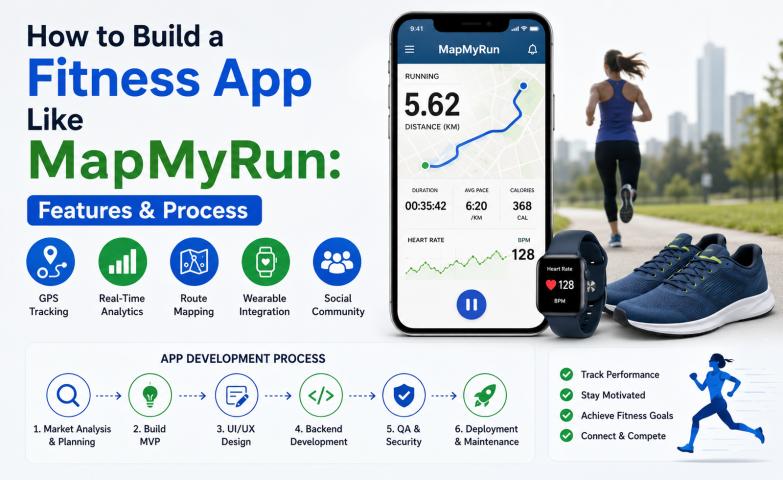
The fitness industry is experiencing a powerful digital shift, and platforms like MyFitnessPal have shown that personalized, data-driven wellness is no longer optional—it’s a life>
Building a fitness app like MyFitnessPal takes more than technology. It requires thoughtful strategy, seamless UI/UX, and an innovative approach that places user needs at the center. Delivering accurate insights, maintaining data precision, and adopting future-ready technologies all play a vital role. This is where expert fitness app development services make the difference—because success depends not only on the idea but also on how effectively it is executed and the development partner who helps bring it to life.
Why Build a Fitness App Like MyFitnessPal in 2026?
Why develop a fitness app like MyFitnessPal-in 2026? The digital fitness market is in a radical shift. With AI-powered recommendations, real-time analytics, smart wearables, and personalized coaching, basic tracking simply does not cut it anymore. Applications such as MyFitnessPal set the benchmark with calorie tracking, macro analysis, barcode scanning, and a vast food database.
A Diet Tracking App Like MyFitnessPal can help users:
Track daily calorie intake
- Monitor macro- and micronutrients
- Set health, diet, and workout goals
- Integrate with wearable devices
- Access personalized meal and fitness plans
For businesses, these apps open the door to subscription revenue, ads, partnerships with nutrition brands, and corporate wellness programs. By partnering with the best fitness app development company, you can build a scalable product that stands out in the 2026 market.
Key Features for a Fitness App Like MyFitnessPal
When building an App Similar to MyFitnessPal, the features should be both user-centric and technology-driven. Here are the must-have components for a successful nutrition and fitness app in 2026:
1. User Registration & Personalized Profiles
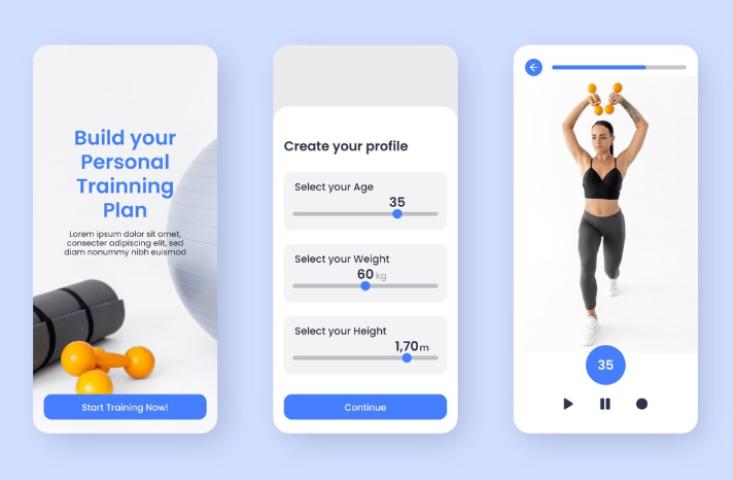
A smooth onboarding experience is crucial. Allow users to register via email, phone, or social accounts. Then enable them to set personalized details such as age, weight, fitness goals, and dietary preferences. AI can enhance the experience by predicting user goals based on past behavior.
2. Advanced Calorie Tracking
The MyFitnessPal App is renowned for its accuracy in calorie tracking. Your app should include:
- A vast food database
- AI-powered food recognition
- Barcode and QR food scanning
- Multi-cuisine nutrition details
In 2026, users expect instant meal logging powered by image recognition through machine learning.
3. Nutrition & Diet Management
A Nutrition and Fitness App Like MyFitnessPal should help users plan their meals effectively. Core features include:
Daily meal planning
- Macro tracking (carbs, protein, fats)
- Fiber, vitamins, and mineral insights
- Diet recommendations (keto, vegan, low-carb, etc.)
- Customized nutrition insights
This allows your app to become a complete diet companion rather than just a calorie counter.
4. Fitness & Activity Tracking
For a holistic health approach, integrate multiple fitness tracking features:
- Steps counter
- Workout logging
- Integration with Fitbit, Apple Health, Samsung Health, Garmin
- Heart rate and sleep tracking
By offering both diet and fitness tracking, you position your app as a comprehensive wellness platform.
5. Smart Goal Setting
Users love apps that help them stay accountable. Allow them to set goals related to:
- Weight loss or gain
- Fitness routines
- Nutrition and hydration
- Sleep patterns
AI-based progress monitoring is a major trend in 2026.
6. AI-Powered Personal Recommendations
AI personalization is now a standard requirement for any App Similar to MyFitnessPal. Include:
- AI-based meal recommendations
- Customized fitness routines
- Smart reminders
- Predictive insights
AI not only enhances user experience but also improves app engagement and retention.
7. Community & Social Features
Motivation grows when users share progress with others. Include:
- Friends and groups
- Community challenges
- Progress sharing
- Discussion forums
Building a strong fitness community will help increase app engagement.
8. Subscription & Premium Features
Monetization options for apps like MyFitnessPal include:
- Monthly/annual subscription plans
- Premium meal plans
- Ad-free version
- Online personal coaching
- Exclusive diet & workout content
A health and fitness app development company can help integrate this seamlessly.
9. Integration With Wearable Devices
In 2026, users expect seamless connectivity with smartwatches and wearables. Ensure integration with:
- Apple Watch
- Fitbit
- Garmin
- Samsung Gear
- Xiaomi wearables
This enhances real-time tracking accuracy.
10. Data Security & Privacy
Fitness apps handle sensitive health data. Implement:
- HIPAA/GDPR compliance
- Data encryption
- Secure cloud storage
A reliable fitness mobile app development company will ensure robust security protocols.
Step-by-Step Process to Build a Fitness App Like MyFitnessPal
Here’s a detailed development roadmap that a fitness app development company will follow to create a high-quality nutrition and diet app.
1. Market Research & Competitor Analysis
Study the audience, their goals, expectations, and behavior. Research competing apps and identify what makes them successful.
2. Define the App’s USP
Your app needs a clear differentiator. It can be:
- AI-based meal scanning
- Advanced food database
- Dietician chat support
- Personalized workout integration
A custom fitness app development approach helps define unique features.
3. UI/UX Design
Design a simple yet engaging interface that inspires daily use. Focus on:
- Easy navigation
- Minimalistic design
- Intuitive food logging
- Quick access to key features
4. Backend Development
A strong backend ensures the app runs smoothly. Developers typically use:
- Node.js or Python
- Cloud platforms like AWS or Firebase
- Scalable APIs for wearable integrations
5. Frontend Development
Choose the right technology for iOS and Android:
- Native (Swift/Kotlin)
- Cross-platform (Flutter/React Native)
A fitness mobile app development company can guide you depending on budget and target audience.
6. Feature Development & AI Implementation
This stage includes:
- Food database integration
- Barcode scanning
- AI meal detection
- Fitness analytics
- Progress tracking
7. Tsting & Quality Assurance
- Ensure your app is:
- Bug-free
- Fast
- Secure
- Compatible across devices
- User-friendly
8. Launch & Deployment
Deploy the app on Google Play and Apple App Store with optimized metadata, screenshots, descriptions, and preview videos.
9. Post-Launch Support & Upgrades
A successful app needs regular updates. Work with a fitness app development agency that provides ongoing maintenance, feature upgrades, and security enhancements.
Cost to Build a Fitness App Like MyFitnessPal in 2026
The fitness app development cost depends on complexity, features, design, and the location of the development team. On average: Hiring the best fitness app development company can help optimize costs without compromising quality.
Complexity Level | Estimated Cost |
Simple App | $8,000 to $40,000 |
Mid-Complexity App | $40,000 to $100,000 |
Advanced App | $100,000+ |
Final Thoughts
As a leading fitness app development company, we have observed how digital health and wellness evolved from a "nice-to-have" feature to something strategically vital. Today, startups, fitness equipment manufacturers, and wellness brands are no longer looking for basic tracking tools but for smart, connected, and deeply personalized solutions.
From connected fitness technology brands to digital health platforms, our clients are investing in mobile experiences that go well beyond step counting. They're focused on creating a fitness app like MyFitnessPal that drives long-term engagement, seamlessly integrates with wearables and BLE-enabled devices, and ensures safe, reliable, and personalized user journeys. In this new era, building a fitness app isn't just about functionality—it's about earning user trust and delivering meaningful health outcomes.