There’s a sound to a busy restaurant, which is a constant, high-pitched alert from tablets at the host stand. That’s from third-party delivery apps, the ones that promise a flood of new customers. But these third-party food delivery apps charge a heavy fee for restaurants to use their apps.
A restaurant might see an order come in for $100. By the time the platform takes its cut—sometimes as high as 30%—that $100 shrinks. The profit margin, already razor-thin in the food business, gets eaten alive.
The restaurant does all the work. The cooking, the packing, the quality control. The delivery app takes the customer. And worse, it takes the data. The restaurant never learns the customer's name, their order history, or how to invite them back.
The Shift to owning a Restaurant App
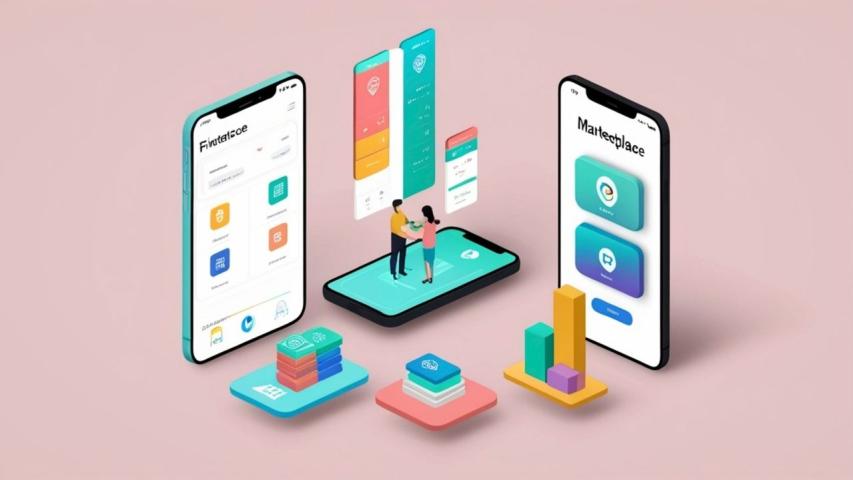
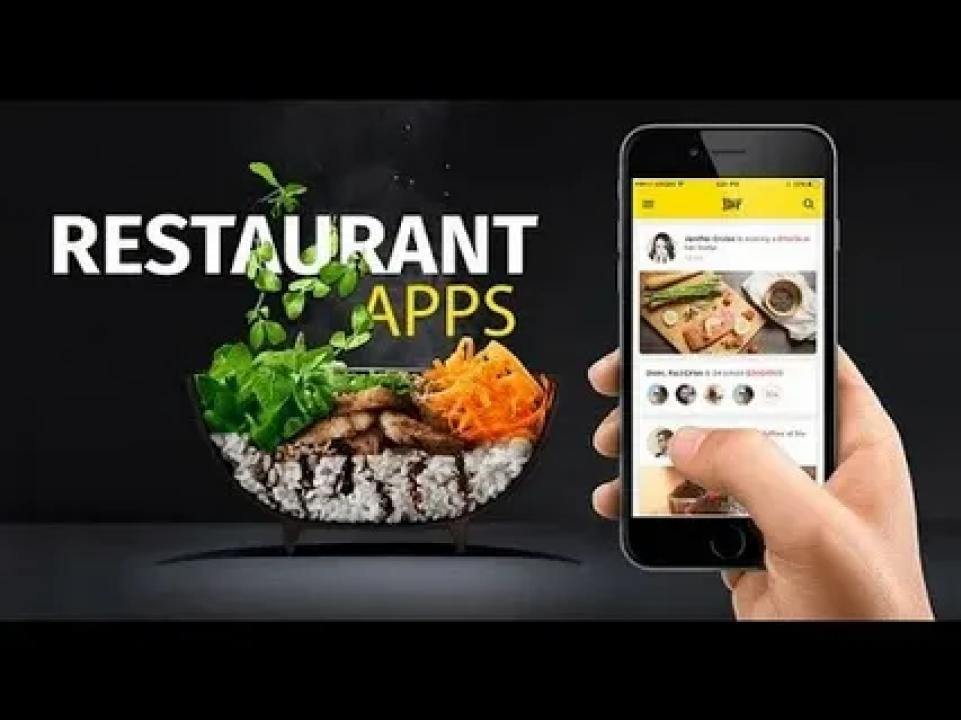
This realization is forcing a quiet, powerful shift. This is where the conversation turns to custom restaurant app development. It's about having your app, a digital space that you control, from the colors and branding to the customer experience.
Building this requires a specific skill. It needs an understanding of flow, both in the kitchen and in the customer's mind. This is the work of specialized restaurant mobile app developers. They aren't just building a generic ordering tool; they are translating the unique feel of a dining room into a digital format.
They understand that a restaurant app isn't a tech product. It's a hospitality product, and the goal is to make the customer feel known. To bypass the digital middleman and create a direct line from your kitchen to their pocket.
Let’s look at some of the key benefits of owning a custom mobile app for restaurants:
The Loyalty Loop
A custom app developed by top mobile app development companies stops being a one-time transaction and starts becoming a conversation. Think about the old paper punch card. "Buy nine coffees, get the tenth free." It worked because it was simple and it rewarded loyalty. The custom app is that idea, supercharged.
It doesn’t get lost in a wallet. Instead, it sits on their phone, and it remembers. It knows you order the spicy curry every Friday. It knows your birthday is next week. It can send a push notification—not a spammy, generic ad, but a real, personal offer. "Happy birthday. Here's a free dessert. We'd love to see you." The app makes ordering easy. Easy ordering leads to repeat business, repeat business generates rewards, and rewards make the customer feel valued, which brings them back to the app.
Own Your Data
Here’s the part the aggregators never talk about: data. When a customer orders through a third-party platform, the platform learns everything. They know what your neighborhood's favorite dish is. They know what time people get hungry. They know how much your customers are willing to spend.
They use that data to sell your customers products from your competitors. It’s the digital equivalent of letting a rival host stand at your front door and hand out their menus to your guests. A custom app flips the script. You own the data, and you can test a new menu item and see exactly who orders it. You can identify your 100 most loyal customers and treat them like VIPs.
This data is gold. It allows a restaurant to stop guessing and start making decisions based on real, tangible behavior. It’s how a small, local eatery can suddenly develop the marketing precision of a massive chain.
The Tiny Billboard in Your Customer’s Pocket
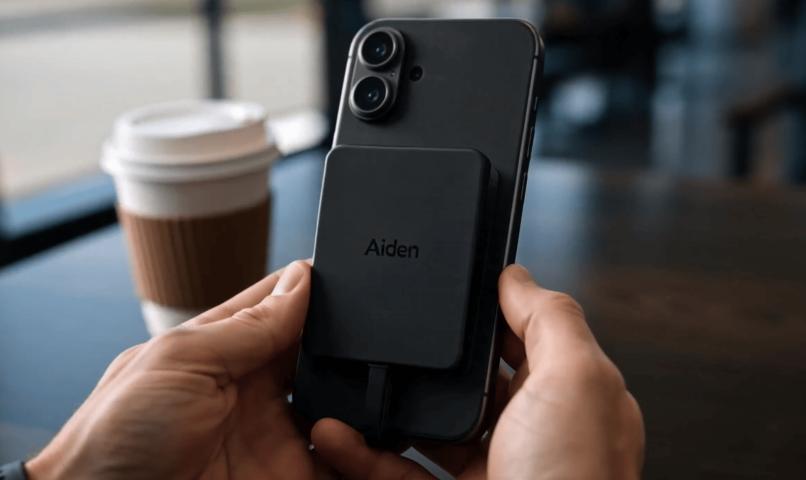
There’s a final, subtle power to a custom app, your logo, on their phone's home screen. It’s a tiny, silent billboard. Every time they unlock their phone to check the weather or read a text, they see it. It’s a quiet reminder that you exist. They might not be hungry right then. But on Friday night, when the question "What's for dinner?" comes up, your brand is the option that's right there.
Engine for the Kitchen, Not Just a Shop for Customers
A well-built custom app doesn’t just help marketing. It helps the kitchen. When all orders—dine-in, pickup, and delivery—are funneled through one integrated system, the kitchen becomes calmer. There are no more tablet alarms, no more staff members manually punching in orders from three different screens.
It smooths out the entire operational flow. The app can even help manage customer expectations. It can automatically throttle orders during a peak rush, giving the kitchen breathing room and giving the customer an accurate wait time. That kind of honesty builds trust. It’s better to tell a customer "Your food will be ready in 40 minutes" and be right than to promise 20 and be wrong. The custom app makes that level of control possible.
Finding the Right Architect For Your Restaurant App
Building this kind of asset is not a weekend project. The digital space is just as competitive as the physical one. A slow, clunky, or confusing app doesn't just get ignored; it gets deleted.
This is often where the search begins. An owner might look at a list of the top mobile app development companies and feel overwhelmed. Restaurant app demands a deep integration with the systems the restaurant already uses. The app must speak flawlessly to the Point of Sale (POS) system. An order placed on the phone needs to appear in the kitchen printer instantly, correctly, and without a human having to re-enter it.
The right development partner knows the difference between a table order and a pickup order. They know how to handle modifiers ("extra sauce," "no onions") without breaking the ticket. They build for the stressful reality of a dinner rush.
The Real Cost of Building a Restaurant App
Does a custom app cost money? Yes. It’s a serious investment. But restaurants are already paying. They are paying 30% commissions to third-party restaurant apps to give away their most valuable data for free.
A custom app is an asset. It’s the digital equivalent of buying your own building instead of paying rent to a landlord who keeps raising the price. The modern restaurant is no longer just a physical location. It’s a brand, a service, and a data-driven business in your customer’s pocket.