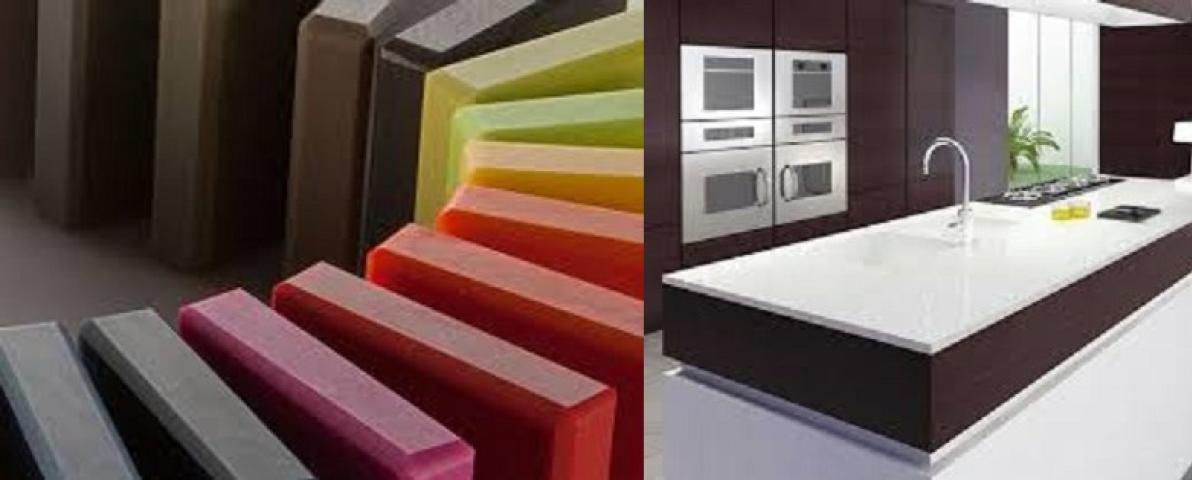
In the world of interior design and architectural finishes, acrylic solid surface has carved out a significant niche. Prized for its seamless aesthetics, durability, and versatility, it is a popular choice for countertops, wall cladding, and custom installations. However, prospective buyers often encounter a wide range in acrylic solid surface sheet price, leading to the fundamental question: what drives this cost? The answer lies almost entirely in the material choices made during manufacturing, which directly influence the quality, performance, and ultimately, the price of the final product.
The Core Composition: Understanding the Acrylic Solid Surface
At its heart, an acrylic solid surface is a composite material. Its primary components are:
a. Polymethyl Methacrylate (PMMA) or Alumina Trihydrate (ATH) Fillers: This is the most critical distinction. High-quality sheets use a significant percentage of pure PMMA (acrylic polymer), while more economical versions rely heavily on ATH, a natural mineral.
b. Pigments and Additives: These determine the color, pattern, and specific performance characteristics like UV resistance or antimicrobial properties.
The ratio and quality of these components are the primary drivers of cost. Let's break down how each choice impacts the acrylic solid surface sheet price.
1. The Acrylic Resin (PMMA) Premium
The single largest factor affecting cost is the percentage of pure acrylic polymer (PMMA) in the sheet's composition.
High-PMMA Formulations
Sheets with a high acrylic content (often 40% or more) represent the premium end of the market. Acrylic resin is inherently more expensive than mineral fillers like ATH. The benefits, however, are substantial. High acrylic content results in a material that is more flexible, less brittle, and boasts superior thermal stability. This means it is better at withstanding heat and is less likely to crack from impact or stress.
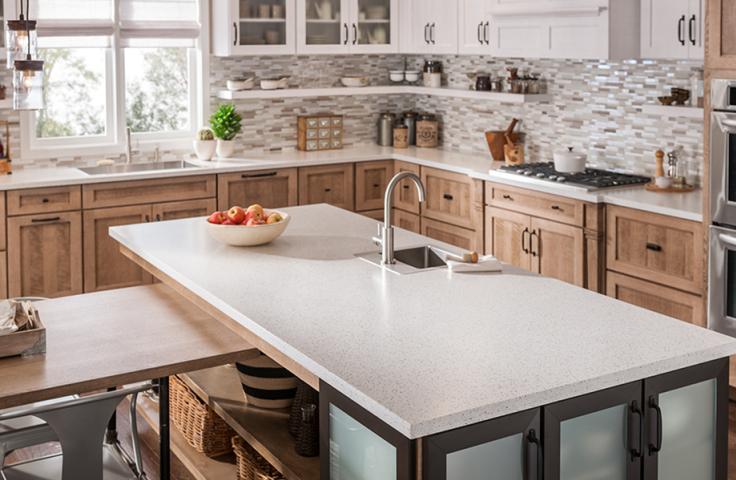
Furthermore, PMMA is non-porous, making it highly stain-resistant and hygienic. The manufacturing process for high-acrylic sheets is also more complex, requiring precise temperature and pressure control, which adds to the cost. For applications demanding the highest performance, such as high-end acrylic for countertops in busy kitchens or healthcare settings, this investment is justified.
Low-PMMA/High-ATH Formulations
To reduce the acrylic solid surface sheet price, manufacturers increase the proportion of Alumina Trihydrate (ATH). ATH is a less expensive filler that provides hardness and a stone-like feel. While sheets with high ATH content are still durable and non-porous, they are typically more rigid and brittle than their high-acrylic counterparts.
This can make them slightly more susceptible to chipping on sharp edges and less forgiving during fabrication and installation. They are an excellent cost-effective solution for many residential and light commercial applications where the absolute top-tier thermal and impact performance is not required.
2. The Role of Fillers and Their Purity
Not all fillers are created equal. The quality and purity of the ATH used have a direct cost implication.
1. High-Purity ATH: Premium manufacturers use refined, high-purity ATH that is consistently sized and free of impurities. This ensures a uniform color, consistent physical properties throughout the sheet, and a smoother surface finish. Lower-quality ATH can contain contaminants that may lead to inconsistencies in color or tiny imperfections.
2. Alternative Fillers: Some ultra-budget solid surfaces may incorporate other mineral fillers or even recycled content to further reduce costs. While this can make the material very affordable, it often comes at the expense of long-term durability, stain resistance, and overall lifespan. The acrylic solid surface sheet price here reflects a trade-off between initial cost and long-term value.
3. Pigmentation and Visual Complexity
The desired aesthetic is a major cost driver. The technology used to create the color and pattern within the sheet varies significantly.
Solid and Speckled Colors
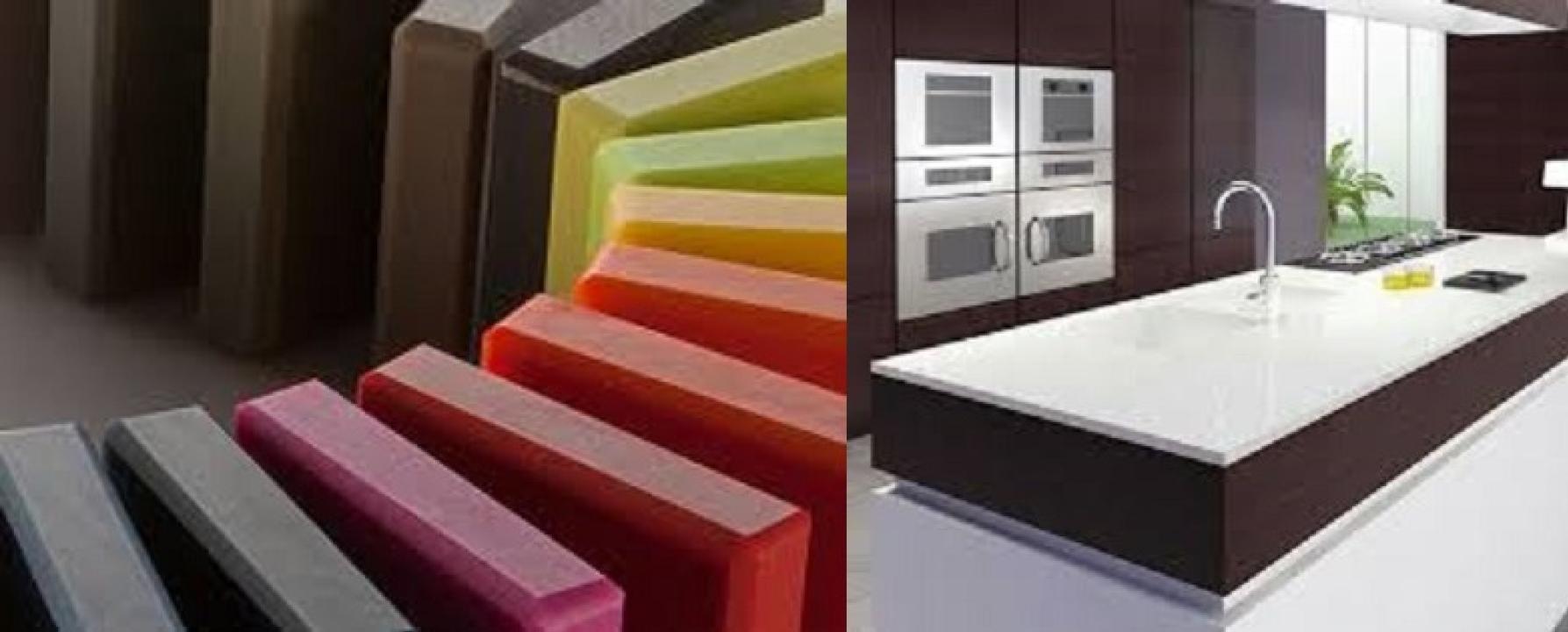
These are generally the most economical options. Solid colors require a straightforward mixing of pigments, while speckled patterns involve adding uniformly sized chips of colored material. The manufacturing process is relatively simple and efficient.
Complex Patterns
Veining and Translucency: Mimicking the deep, complex veining of natural stone like marble or creating translucency effects is a technically challenging process. It often requires a multi-layered casting technique or specialized machinery to suspend veins in a way that looks natural and continues through the entire thickness of the sheet.
This "deep-thru" effect ensures that the pattern remains visible even after years of sanding and refinishing. The additional labor, time, and skill required for these complex patterns inevitably result in a higher acrylic solid surface sheet price. Translucent sheets, which allow light to pass through, require exceptionally pure resins and precise manufacturing, placing them at the very premium end of the spectrum.
4. Sheet Dimensions and Thickness
The physical characteristics of the sheet itself are a direct cost factor.
1.Thickness: Standard thicknesses for acrylic for countertops are 12mm (1/2") and 6mm (1/4"). Unsurprisingly, a 12mm sheet uses twice the raw material of a 6mm sheet, commanding a proportionally higher price. Thicker sheets (18mm or 3/4") are available for heavy-duty applications like bar tops and reception desks, further increasing the cost.
2. Sheet Size: Larger slabs reduce the number of seams in a large installation, which is a desirable feature. However, producing very large, flawlessly flat sheets requires more advanced manufacturing equipment and poses greater challenges in handling and shipping, adding to the overall expense.
5. Brand Reputation and Certifications
The manufacturer's brand equity plays a role. Established brands like DuPont Corian, LG HI-MACS, or Swanstone have invested heavily in research, development, and quality control. Their products often come with extensive warranties and a proven track record of performance, which is reflected in a higher acrylic solid surface sheet price. Furthermore, certifications for specific applications, such as NSF/ANSI 51 for food contact surfaces or GREENGUARD for low VOC emissions, require rigorous testing and compliance, adding to the manufacturing cost but providing assurance of quality and safety.
Acoustic Treatment Materials: A Specialized Niche
While standard solid surface is not inherently acoustic, some manufacturers produce perforated acrylic solid surface sheets designed as acoustic treatment materials. These panels help absorb sound and reduce noise in spaces like auditoriums, offices, and restaurants. The additional manufacturing step of precision perforation, combined with the need to integrate acoustic backing, adds a layer of complexity and cost beyond that of a standard sheet.
Conclusion
The acrylic solid surface sheet price is not arbitrary; it is a direct reflection of the material choices embedded within the product. From the premium performance of high-PMMA content to the visual drama of complex veining, every decision made in the factory influences the final cost. Understanding this relationship empowers designers, architects, and homeowners to make informed choices.
It allows for a clear value assessment: is the project best served by a cost-effective, high-ATH sheet for a low-moisture area, or does a demanding kitchen countertop justify the investment in a high-acrylic, premium-branded material for its superior durability and long-term beauty? Ultimately, the cost is a roadmap to the product's inherent capabilities and intended lifespan.