Tantric massage may be a growing wellness niche — blending mindful touch, nervous-system regulation, emotional connection, and deep relaxation — but promoting it online is anything but simple. Unlike traditional spas, yoga studios, or holistic wellness brands, tantric practitioners face a unique digital landscape shaped by platform restrictions, cultural misunderstandings, and heightened moderation.
For business owners, therapists, directories, and marketers in this space, success isn’t just about offering an exceptional service — it requires navigating SEO limitations, brand perception, compliance, safety, and ever-changing search algorithms.
Here are the biggest challenges — and why they matter.
1. Misunderstanding the Word “Tantra”
One of the foundational SEO roadblocks is linguistic. Many people associate tantra exclusively with erotic massage — ignoring its spiritual, philosophical, and meditative origins. Because of this:
-
Keyword research becomes skewed
-
Google classifies pages as “adult” even when not explicit
-
SafeSearch filters may hide legitimate wellness sites
-
Some audiences hesitate to engage or click through
This means tantric brands must use careful, contextual messaging — balancing clarity with professionalism, education, and accessibility.
2. Advertising Restrictions Limit Growth
Unlike massage clinics or spas, tantric businesses are heavily constrained by:
-
Google Ads and Meta Ads policies
-
Payment processor risk scoring
-
Social media content moderation
-
App store guidelines
-
Email deliverability filters
Even compliant ads may be rejected automatically due to wording, imagery, or assumed intent. Paid traffic often becomes unreliable — forcing businesses to rely heavily on organic, referral, and relationship-driven marketing.
3. Local SEO Is Highly Competitive — and Sometimes Unfair
Most tantric businesses depend on local searches like:
-
“tantric massage London”
-
“sensual wellness therapy near me”
-
“bodywork for relaxation Central London”
But ranking well can be difficult due to:
-
Lower trust signals compared to medical/wellness clinics
-
Inconsistent citations and directory listings
-
Suspended or flagged Google Business Profiles
-
Competing industries using the same terminology
Even if a brand operates professionally and ethically, automated systems may treat it as high-risk — affecting visibility.
4. Reputation Management Matters More Than Average
Because tantra is intimate, trust-based, and sometimes misunderstood, a brand’s online reputation is fragile:
-
One negative review carries more weight
-
Competitor sabotage is more common
-
Platforms may remove legitimate client feedback
-
Clients may hesitate to leave public reviews
This requires proactive testimonial strategy, strong aftercare communication, and diversified credibility markers — not just Google Reviews.
5. Content Creation Requires Extreme Precision
Most industries benefit from storytelling, bold visuals, emotional marketing, and life>
Blog posts, landing pages, and social content must avoid:
-
suggestive wording
-
explicit phrasing
-
clickbait sexual framing
-
imagery that triggers content filters
This makes SEO harder — because the most searched terms may not be usable.
Instead, brands must build authority through:
-
education
-
philosophy
-
wellbeing benefits
-
therapist professionalism
-
cultural context
-
safety, consent & boundaries
It’s a slower but more sustainable path.
6. AI Search Changes the Playing Field
With Google AI Overviews, ChatGPT search assistant usage, and voice search on the rise, tantra businesses face:
-
reduced organic click-through rates
-
answers appearing directly in search results
-
increased need for semantic SEO
-
brand loss if AI summarises competitors instead
To stay visible, brands must optimise for:
-
entity-based search
-
structured data
-
FAQs
-
long-tail queries
-
expert-authored content
-
brand distinctiveness
This is the new frontier of tantra marketing.
7. Building Trust Takes Longer
Because tantra involves intimacy, boundaries, and emotional vulnerability, potential clients require more reassurance. Marketing strategy must demonstrate:
-
professionalism
-
training & qualifications
-
consent-based practice
-
clear communication
-
transparent pricing
-
safeguarding policies
-
ethical values
In this industry, trust is the conversion engine — not discounts, scarcity, or hype.
So How Do Tantric Massage Brands Succeed?
✅ Educate before selling
Blogs, FAQs, guides, workshops, newsletters — information builds confidence.
✅ Prioritise professional language
Wellness, embodiment, mindfulness, nervous-system regulation — not coded innuendo.
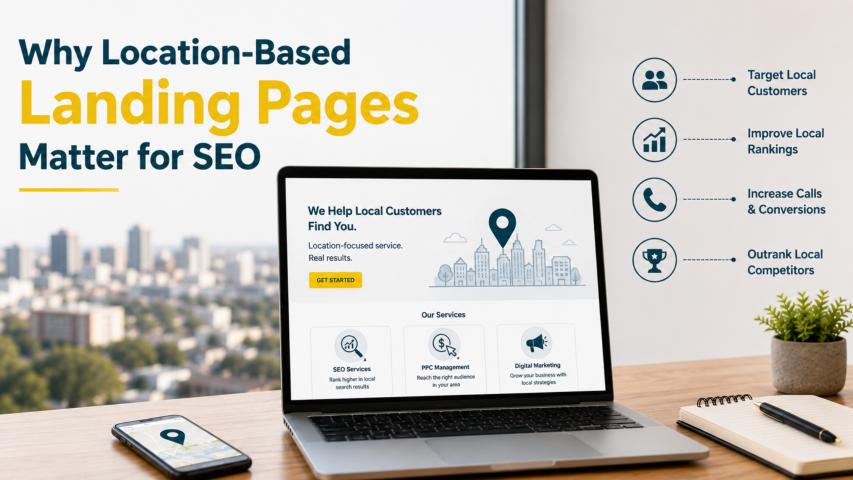
✅ Double down on Local SEO
Consistent NAP details, maps optimisation, citations, directories, schema markup.
✅ Build brand authority
Therapist bios, expertise, qualifications, published writing, interviews, features.
✅ Create safe, tasteful visual branding
Calm, elegant, wellness-aligned — not suggestive.
✅ Diversify traffic sources
SEO + referrals + PR + email + partnerships.
✅ Develop ethical marketing frameworks
Boundaries, consent, privacy, client wellbeing.
The Opportunity Ahead
Despite its challenges, the tantric massage sector has one major advantage: demand is growing. People are seeking nervous-system relief, embodied presence, human connection, and holistic wellness at unprecedented levels.
Businesses that approach tantra with integrity, spiritual grounding, professionalism, clear communication, and SEO-aware marketing can thrive — while contributing positively to the wellbeing landscape.
The industry doesn’t need louder marketing — it needs smarter, safer, clearer, and more compassionate marketing.