
If you’ve ever explored how new crypto exchanges launch so quickly, you’ve probably noticed that many rely on some form of a Binance Clone Script. These frameworks, inspired by the design of the well-known Binance cryptocurrency exchange, promise a faster and more affordable way to build trading platforms.
But a debate is growing:
Are these clone-based solutions helping the industry progress, or are they just encouraging more repetitive ideas?
This question matters because crypto exchanges influence liquidity, accessibility, and how people interact with digital assets worldwide. Let’s unpack this conversation with clarity and fairness—minus hype.
What Is a Binance Clone Script?
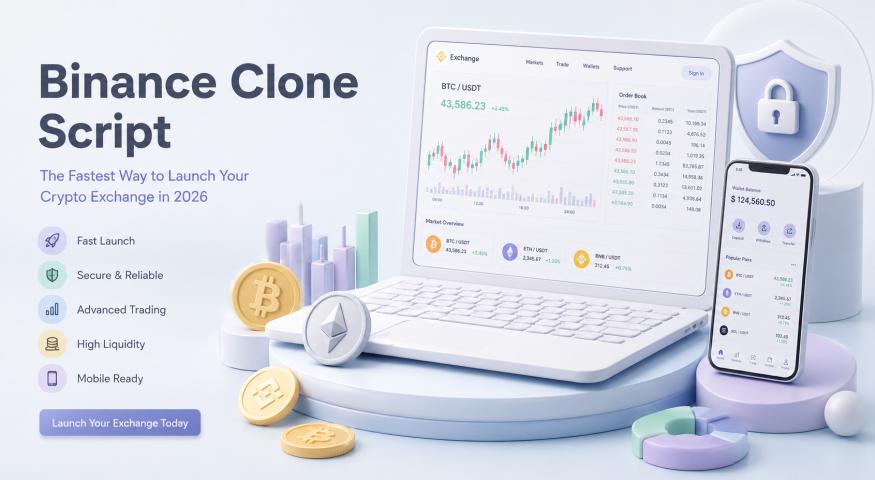
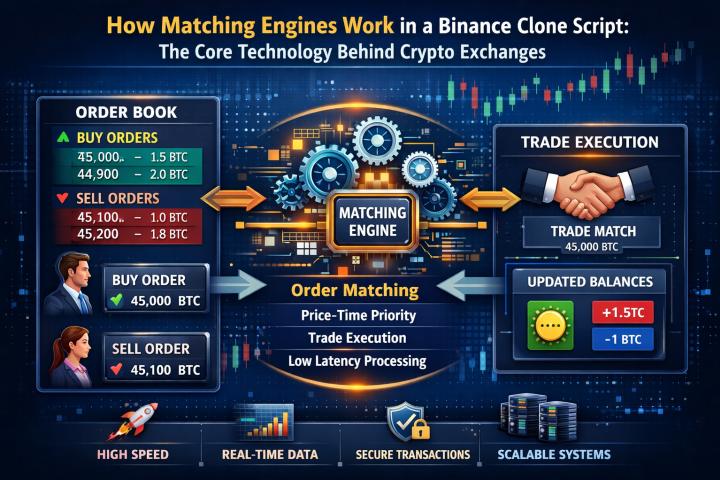
A Binance Clone Script is a ready-to-deploy software solution that mirrors the architecture and features of the Binance exchange. It typically includes trading modules, order matching systems, wallet functions, and user interfaces similar to what you’d find on established crypto exchanges.
In short: It’s a shortcut for building an exchange without reinventing the wheel.
Why Binance Clone Models Became Popular
These solutions didn’t rise in popularity by accident. They solved real problems for entrepreneurs trying to enter a complex market.
1. Faster Development
Building an exchange from scratch takes months. Clone-based projects reduce this timeframe significantly, helping teams focus on strategy instead of building every component manually.
2. Predictable Architecture
Because the blueprint resembles binance exchange systems, developers know what to expect. This makes it easier to avoid early engineering mistakes.
3. Lower Initial Costs
The financial barrier drops sharply, opening the door for smaller teams or regional platforms to experiment with exchange development.
4. Familiar User Experience
People who’ve used the Binance cryptocurrency exchange feel comfortable navigating similar layouts. That familiarity reduces friction for new platforms trying to earn user trust.
Where Binance Clones Boost Innovation
Despite criticism, clone-based platforms have actually supported innovation in several areas:
1. Expanding Access in Emerging Markets
In many countries, building a full-scale exchange from the ground up isn’t feasible. Clone frameworks allow teams to create local fiat support, regional languages, and compliance structures that global exchanges overlook.
2. Faster Experimentation
Teams can modify the base structure to test:
new trading pairs
mobile-first interfaces
multi-chain swaps
educational features
beginner-focused setups
This allows experimentation that might not happen otherwise.
3. Improving the Overall Market
More exchanges can increase competition, which often leads to better:
liquidity options
user experience
customer support
regulatory clarity
There’s value in diversity, even if some platforms start from the same foundation.
Where Clone Platforms May Hold the Industry Back
At the same time, relying too heavily on Binance Clone Software has drawbacks—especially when projects don’t push beyond the template.
1. Lack of Differentiation
A major concern is sameness. When dozens of platforms look identical, it reduces user curiosity and makes the ecosystem feel repetitive. Innovation slows down when teams simply replicate existing models.
2. Security Limitations
Not all clones are created equally. Some are built without proper testing or security hardening. Risks include:
weak wallet configurations
inadequate encryption
unverified third-party libraries
unreliable trading engines
When low-quality exchanges fail, they undermine trust across the broader crypto community.
3. Overreliance on a Single Blueprint
If everyone follows the same structure, real breakthroughs become rarer. This limits the evolution of new models, whether in UI design, incentive structures, or decentralized features.
4. Regulatory Blind Spots
Clone-based exchanges may not fully adapt to local rules. When compliance isn’t considered early, it can slow platform adoption or lead to shutdowns.
So… Do Binance Clone Scripts Help or Hurt?
The clearest answer is this:
They help when used as a foundation. They hold the industry back when used as a finished product.
Innovation doesn’t require building everything from scratch—but it does require intention. A strong base can support new ideas, but only if teams decide to build beyond standard features.
How Crypto Teams Can Use Clone Frameworks Without Limiting Innovation
To get the best of both worlds—speed and originality—here’s what founders and developers can focus on:
1. Build Unique Features
Instead of launching an exchange that mirrors the Binance exchange crypto experience, teams can explore:
community-based trading tools
AI-driven fraud detection
transparent fee structures
regional fiat ramps
Web3 integrations
These additions help platforms stand out.
2. Strengthen Security From Day One
A clone script should be the starting point, not the final defense. Teams can add:
stronger encryption
external audits
advanced authentication
cold wallet management
Security is one of the biggest trust factors in crypto exchanges.
3. Prioritize User Feedback
Small, human-centered design updates often make a bigger difference than complex features. Listening to users is a simple but powerful competitive advantage.
4. Focus on a Clear Vision
Instead of creating “another exchange,” define a purpose:
Serving beginners? Supporting institutional clients? Offering low-fee trading? Each focus leads to different features and better long-term value.
Conclusion
Binance Clone Script solutions aren’t inherently good or bad. They’re tools—useful when applied thoughtfully and limiting when used without direction. They’ve helped emerging teams launch exchanges quickly and with fewer technical risks. At the same time, the industry needs more creative approaches, not just more replicas.
The real opportunity lies in using these scripts as a base for innovation, not a substitute for it. When teams customize, refine, and build with purpose, clone frameworks can support meaningful progress in the world of cryptocurrency exchange development.
FAQ
1. Are Binance clones allowed?
Yes. They’re legal as long as branding, trademarks, and proprietary assets are not copied directly.
2. Do clone-based exchanges support high traffic?
High-quality frameworks can scale, but performance depends on the underlying infrastructure and how well the system is optimized.
3. Are clone scripts secure?
Security varies by provider. Strong encryption, audits, and reliable wallet management are essential for maintaining safety.
4. Will a Binance clone look identical to the original exchange?
Not necessarily. Most frameworks allow full customization of the interface, features, and back-end logic.
5. Can a clone-based platform still be innovative?
Absolutely. Many teams build unique features on top of clone scripts, which can lead to fresh ideas and better user experiences.