
The last decade has witnessed a digital transformation like no other. From how we communicate, work, and shop, mobile technology has become the center of modern living. But among all industries touched by mobility, eCommerce stands out as the most dramatically transformed. Consumers no longer wait to reach home to buy something on a desktop. Instead, they shop during lunch breaks, while commuting, or even in bed before they fall asleep—thanks to the smartphones in their pockets.
Mobile technology has not only made online shopping more accessible, but it has redefined the expectations of customers. Instant gratification, ease of navigation, personalization, and seamless cross-device experiences have become the new standards. As businesses race to match these expectations, the role of mobile innovation continues to deepen.
This blog explores how mobile technology is revolutionizing the eCommerce landscape, what trends are shaping the future, and why brands must adapt quickly to stay relevant.
The Rise of Mobile-First Shopping
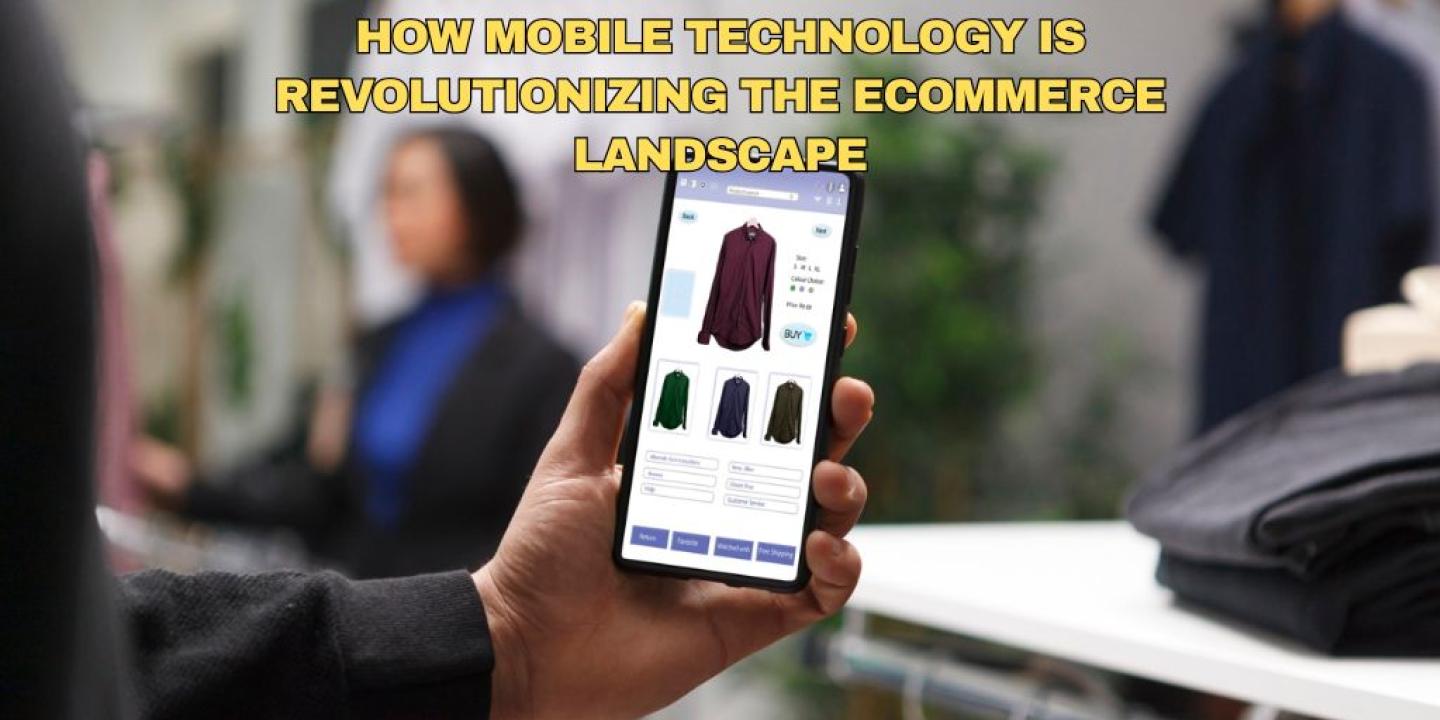
Over half of global online traffic comes from mobile devices, and in many countries, mobile commerce (m-commerce) has surpassed desktop sales entirely. This shift signals a mobile-first mindset among shoppers, especially younger generations who never knew a world without smartphones.
Mobile-first shopping is driven by:
Convenience: Users can browse and buy anytime, anywhere.
Speed: Apps load faster than desktop sites.
Better UX: Gesture-based navigation, simplified menus, and auto-filled forms make buying easier.
Personalization: Mobile apps collect behavioral data to deliver tailored product suggestions.
Today, brands that fail to offer mobile-friendly experiences risk losing customers to competitors who provide intuitive and smooth mobile journeys.
Mobile Apps Becoming the New Storefront
While mobile websites play an important role, dedicated shopping apps have become the heart of eCommerce. They offer faster loading times, push notifications, secure payment options, offline accessibility, and highly personalized experiences.
Apps boost customer retention and loyalty because:
They are optimized for performance.
They allow stored preferences and login credentials.
They provide a seamless checkout experience.
They can integrate with device features like cameras, GPS, and biometric authentication.
This is why businesses increasingly partner with experts offering eCommerce app development services to build user-friendly, scalable, and conversion-driven mobile solutions. As mobile usage continues to rise, apps will play an even larger role in customer acquisition and retention.
The Power of Push Notifications
Push notifications are one of the most effective engagement tools in the mobile commerce world. They allow retailers to:
Alert customers about sales, promotions, and product launches
Remind shoppers of abandoned carts
Deliver personalized suggestions
Keep customers connected with order status updates
Because these notifications appear directly on the user’s home screen, the chances of interaction are much higher than through emails or ads. But the key lies in moderation—too many alerts can lead to uninstalls.
Smart businesses use AI-driven segmentation to target users based on behavior, purchase history, and preferences. When personal, timely, and relevant, push notifications significantly increase conversion rates.
Mobile Payments Simplifying Checkout
One of the biggest barriers to online shopping has always been complex checkout processes. Mobile technology has solved this challenge, introducing frictionless payment options such as:
Mobile wallets (Apple Pay, Google Pay, Samsung Pay)
UPI and instant bank transfers
One-click payments
Buy Now, Pay Later (BNPL) apps
In-app payment gateways
These innovations reduce the steps involved, making checkout almost instantaneous. Mobile payments also use advanced security like biometric authentication, encryption, and tokenization—making transactions safe and reliable.
As seamless payments become the norm, cart abandonment rates continue to drop, benefitting both retailers and consumers.
AI and Personalization in Mobile Commerce
Artificial intelligence has taken mobile shopping personalization to an entirely new level. Mobile apps constantly collect data related to:
Browsing patterns
Wishlist items
Purchase behavior
Time spent on pages
Demographics
AI uses this data to show personalized product recommendations, dynamic content, and even custom pricing at times. This creates a more relevant shopping experience that mirrors the help one would receive from a salesperson in a physical store.
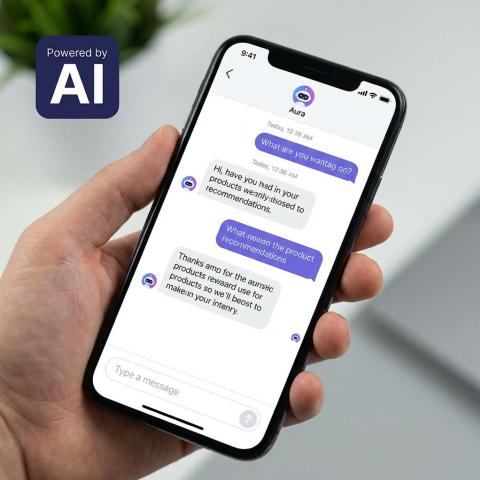
AI-powered chatbots embedded in mobile apps further enhance support by answering questions, suggesting products, and resolving issues 24/7. As AI advances, expect mobile shopping to become even more intuitive and tailored to individual needs.
AR and VR Transforming Product Visualization
One major barrier in online shopping is not being able to physically experience products. Mobile AR (Augmented Reality) and VR (Virtual Reality) have stepped in to bridge that gap.
Examples include:
Trying on glasses virtually
Seeing how furniture fits in the living room
Previewing beauty products
Checking how clothes fit with AR modeling
By allowing customers to visualize a product before buying, AR increases confidence and reduces returns. Retail giants like IKEA, Sephora, and Nike have already embraced AR to enhance customer experience. As mobile devices become more powerful, AR/VR features will become standard in eCommerce apps.
Why Businesses Need Robust Mobile Solutions
As more consumers shift to mobile shopping, businesses must adapt quickly to stay competitive. A slow website or poorly designed app can drive customers away permanently.
This is where partnering with a Custom Android app development company becomes essential. Experts ensure the app is high-performing, visually appealing, secure, and scalable—meeting both business goals and user expectations.
Businesses that invest in high-quality mobile apps experience:
Higher conversion rates
Improved customer retention
Stronger brand loyalty
Increased average order value
Enhanced customer satisfaction
Mobile technology is no longer optional—it is the foundation of modern eCommerce success.
What the Future Holds for Mobile eCommerce
The future of mobile commerce is ripe with innovation. Here’s what we can expect next:
AI-powered hyper-personalization
Apps will understand user preferences better than ever and deliver uniquely tailored experiences.
Growth of 5G
Super-fast speeds will allow richer content, AR/VR shopping, and real-time interactions.
More advanced chatbots
AI agents will act as personal shopping assistants, helping users find ideal products instantly.
Seamless cross-platform shopping
Apps will sync effortlessly across devices, offering a cohesive user experience.
Greater integration with wearable devices
Smartwatches and wearables will enable quick browsing and instant checkouts.
Mobile technology will continue shaping the eCommerce ecosystem, pushing brands to innovate, compete, and evolve constantly.
Conclusion
Mobile technology has undeniably revolutionized the eCommerce landscape. From seamless apps and personalized experiences to AR tools, mobile payments, and voice commerce, every innovation pushes online shopping closer to the convenience customers crave.
Businesses that embrace mobile-first strategies will not only thrive but dominate in the digital marketplace. Whether through eCommerce app development services or partnering with a Custom Android app development company, investing in mobile solutions is no longer optional—it’s the key to future growth.
As consumers continue to rely on smartphones for everything, brands must align their digital strategies with mobile innovation to stay relevant, competitive, and successful.