In the rapidly evolving world of digital marketing, content has emerged not as a mere supporting player — but as one of the most powerful assets a brand can own. At its core, content marketing is about creating and sharing valuable, relevant, and consistent content to attract and engage a clearly-defined audience. For institutions like the Indo Gulf Institute (or any brand striving for visibility and lasting relationships with clients), content marketing isn’t optional — it’s indispensable.
Building Trust, Authority & Brand Identity
Unlike traditional advertising, which often interrupts or pushes messages to audiences, content marketing enables you to educate and provide value without overtly ‘selling’. By publishing well-researched blog posts, insightful articles, case studies or how-to guides, you demonstrate expertise in your field and address the real needs of potential customers. Over time, this builds credibility and trust — people begin to see your brand not just as a business, but as a helpful, knowledgeable resource.
This kind of trust lays the foundation for brand loyalty. When you consistently deliver value through content, clients and prospects are more likely to view your brand as reliable, return for more information, and eventually convert into customers or students — depending on your offerings.
Boosting Online Visibility & SEO
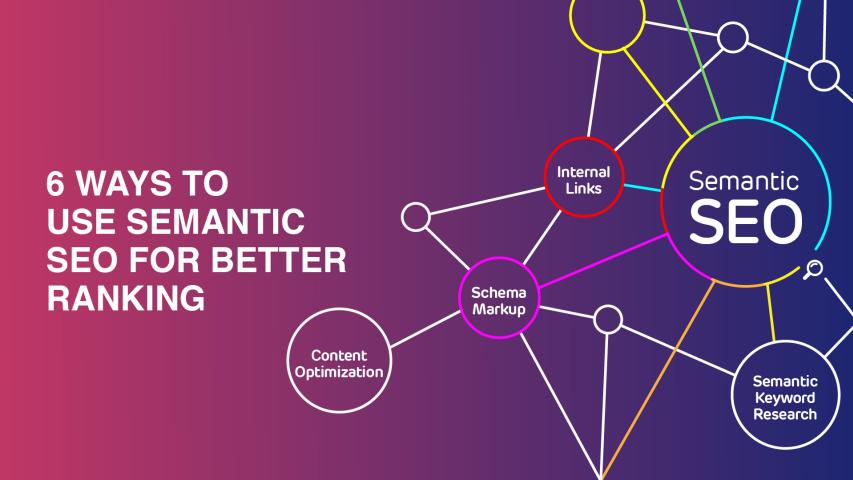
One of the biggest strengths of content marketing lies in its natural synergy with search engine optimization (SEO). Search engines favour websites that regularly publish relevant, high-quality content. By targeting the right keywords and answering the questions your audience is searching for, your content can help your website rise higher in search results — making it much easier for potential customers to discover you.
Compared to one-off advertising blasts, content has a longer shelf life: a single blog post or guide may continue driving traffic and leads for months or even years, long after it's published. This compounding effect makes content marketing highly cost-effective.
Nurturing Leads & Guiding the Customer Journey
Digital marketing isn’t just about grabbing attention — it’s also about nurturing relationships, guiding prospects through the stages of awareness → consideration → conversion. Content marketing shines here, by offering different types of content tailored to each stage. For example: introductory blog posts or “what is…” guides can bring awareness; in-depth articles, case studies or whitepapers can help prospects evaluate your offerings; and testimonials or how-to guides can support conversion and decision-making.
In this sense, content marketing acts as a silent salesperson — educating, building trust, answering objections — often before any direct contact, reducing friction and raising the likelihood of conversion.
Supporting Multi-Channel Marketing and Long-Term Strategy
Content doesn’t exist in a vacuum. A solid piece — say, a blog post — can be repurposed across multiple channels: social media, email newsletters, downloadable ebooks, infographics, videos, and more. This versatility means content marketing supports and amplifies other digital marketing tactics, such as social media marketing, email marketing, paid campaigns, and SEO.
Moreover, content marketing isn’t about one-time wins. It’s a long-term commitment — one that builds your brand identity, strengthens customer relationships, and gradually scales traffic, leads, and conversions over time.
Higher ROI and Cost-Effectiveness
Compared with traditional outbound marketing methods (print ads, cold calls, etc.), content marketing tends to be far more cost-efficient. Creating content requires effort and time — but once it’s live, the return on investment (ROI) can be substantial and lasting.
Given the compounding benefit of good content — improved discoverability, recurring traffic, trust-building, lead generation and conversion — content marketing often delivers better long-term value than many traditional marketing strategies.