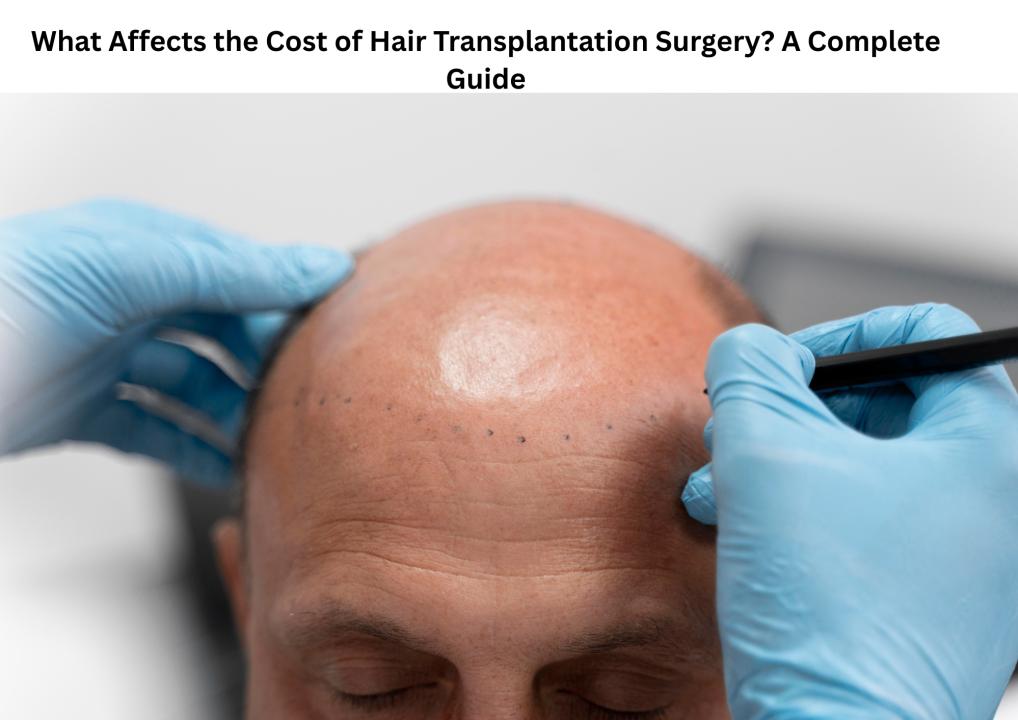
If you are considering hair restoration, understanding what drives the cost of hair transplantation surgery is crucial before making any decision. In this comprehensive guide, we explore all the major factors that influence how much you’ll end up paying — from the technique used to the number of grafts, surgeon experience, and even post-op care. By knowing these variables, you can make a well-informed plan that balances your goals, expectations, and budget.
Understanding Hair Transplantation: The Basics
Hair transplantation is a surgical process aimed at restoring hair to areas experiencing thinning or baldness. The core principle involves transplanting hair follicles (grafts) from a “donor area” (usually the back or sides of the scalp) to the balding or thinning zones. The final cost depends on many dynamic factors, which vary from one individual to another.
Below we discuss each of those factors in detail — so you know exactly what goes into the final bill.
Key Factors That Determine Cost
1. Technique Used
One of the most important determinants of hair transplant cost is the type of surgical technique chosen. There are multiple methods, and each has its own cost structure.
- Smart Follicular Unit Extraction (FUE): In this method, individual hair follicles are extracted and transplanted. Because it is more labor-intensive and time-consuming, Smart FUE tends to be more expensive than simpler methods.
- Smart Follicular Unit Transplantation (FUT): This older method involves removing a strip of scalp skin from the donor area, dissecting it into grafts, then transplanting them. Smart FUT is typically less expensive but may leave a linear scar.
2. Number of Grafts Required
A second major factor is how many grafts (hair follicles) the transplant requires. The graft count depends on the extent of hair loss, the size of the area being treated (hairline, crown, full scalp), and the desired hair density.
Number of Grafts Total Cost Range
1500 Grafts $12,000 - $15,000
2000 Grafts $16,000 - $20,000
3000 Grafts $24,000 - $30,000
5000 Grafts $40,000 - $50,000
3. Expertise and Reputation of the Surgeon / Clinic
Not all surgeons or clinics are the same — and this reflects in their pricing. A clinic’s reputation, the surgeon’s experience, and past success rates influence how much they charge.
- Surgeons with many years of experience or specialization in hair transplantation often command higher fees because they tend to deliver more reliable, natural-looking results.
- Clinics with advanced infrastructure, experienced support staff, and high standards of hygiene/aftercare often have higher operational costs — which gets passed on to patients.
4. Geographic Location of the Clinic
Where you get the transplant done plays a large role in cost. Clinics in major metropolitan areas or regions with higher living costs tend to charge more than clinics in smaller cities or rural areas.
- Urban clinics have higher overheads (rent, staff salaries, compliance, etc.), and this reflects in surgical pricing. Clinics in smaller towns, with lower overheads and living costs, may offer more affordable pricing — provided they maintain adequate standards.
Therefore, if you live in or near a metro city, expect higher costs compared to smaller towns — but also possibly more advanced facilities or experienced surgeons.
5. Quality of Donor Area & Patient-Specific Factors
Another important but often overlooked factor is the quality of the donor area and other individual patient characteristics. Not everyone’s hair or scalp is the same, and this affects how many grafts can be harvested and how effectively they’ll grow.
- If donor hair is dense and healthy, fewer grafts may be needed to produce good coverage. But if donor supply is limited (thin hair, prior scarring, etc.), surgeons may need to use more advanced and expensive techniques — increasing cost.
- Hair type — thick vs thin, curly vs straight — also plays a role. Some hair types may cover more area per graft.
- The scalp’s condition, scar tissue, previous surgeries, skin tightness, etc., can make the procedure more complex and time-consuming — thus costlier.
Because these variables differ significantly between individuals, cost estimates can vary widely even within similar geographic areas or clinic types.
6. Additional Services, Aftercare & Number of Sessions
Hair transplantation isn’t just about transplanting grafts — often, there are additional services and support needed that impact the total expense.
- Post-operative care: After transplantation, you might need specialized shampoos, medications, follow-up checkups, and sometimes therapies like PRP (platelet-rich plasma) to encourage growth or healing. These add to the overall cost.
- Multiple sessions: In cases of extensive baldness or when high density is desired, more than one session may be recommended. Each session adds to the total cost.
- Clinic amenities and support services: Some clinics provide extra comfort — better facilities, experienced support staff, perhaps accommodation/boarding (if you travel), pre- and post-surgery monitoring. Such premium services increase price but may enhance patient comfort and outcomes.
Why Understanding These Factors Matters
Understanding what affects the cost isn’t just about money — it’s about expectations, planning, and realistic decision-making. Here’s why:
- Realistic Budgeting: By knowing what drives cost, you can budget more accurately. Maybe you planned only ₹40,000 — but with advanced technique + many grafts + aftercare, final cost may exceed that. Better to plan ahead than be surprised.
- Quality vs Cheapness: Low-cost offers can be tempting — but if you compromise on surgeon skill, donor-area assessment, or aftercare, results may be subpar, risking poor hair growth or unnatural appearance. Sometimes a higher upfront cost gives better long-term value.
- Avoiding Hidden Costs: Clinics offering low “per-graft” prices may exclude post-surgery care or follow-up sessions. Without factoring those in, total cost may overshoot original estimate.
- Personalization: Hair transplant is not one-size-fits-all. Your hair type, scalp condition, amount of baldness, donor hair quality — all matter. A good surgeon will tailor transplant plan to you, which may affect costs.
- Long-Term Outlook: A successful procedure done right — good donor planning, correct density, proper aftercare — means less chance of needing revision surgeries. That potentially saves money in the long run.
What to Ask or Verify When Getting a Quote
Before committing to any hair transplant procedure, make sure to get clarity on the following:
- Which technique will be used (Smart FUE, Smart FUT, ) and why it is recommended for you.
- How many grafts are estimated, and whether the quote is per graft or a package.
- What is included in the quoted cost — surgery, aftercare, medicines, follow-up visits, possible second session, etc.
- Surgeon’s experience, credentials, and track record (photos of previous patients, success rate, etc.).
- Quality assessment of your donor area — how many usable grafts, hair density, hair type.
- Potential extra costs (medications, post-op care, additional therapies, etc.).
- Realistic expectations: what density or result can be achieved, approximate recovery time, maintenance required.
Having a fully detailed quote and transparent conversation helps you avoid surprises and decide based on both cost and quality.
Conclusion
Hair transplantation can be a life-changing decision — restoring not just hair but confidence. However, the cost of hair transplantation surgery is not fixed or uniform. It depends on several intertwined factors: the technique used, number of grafts, surgeon’s expertise, location of clinic, donor-area quality, and required aftercare or additional sessions.
If you approach this thoughtfully — with a clear understanding of these factors — you can make a more educated decision that balances cost, quality, and realistic expectations. Rather than chasing the lowest price, aim for the most value: a skilled surgeon, honest evaluation, a transparent quote, and a plan that matches your hair goals.