
India’s digital economy is expanding faster than ever. Businesses today sell through multiple channels at the same time, including online marketplaces, brand websites, mobile apps, WhatsApp commerce, social media platforms, distributors, and offline retail stores. While this omnichannel approach increases visibility and revenue, it also creates serious operational challenges. Without a structured system, businesses struggle with duplicate orders, stock mismatches, delayed dispatches, refund errors, and customer dissatisfaction.
OMS as a Unified Control Center for Orders
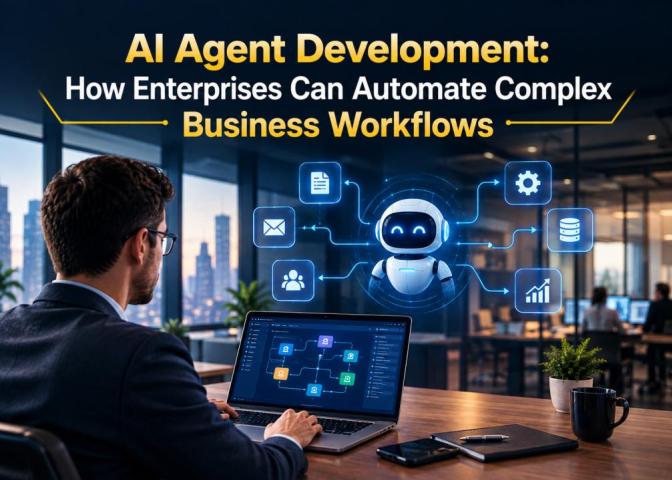
An Order Management System acts as a unified control center where all orders are captured, processed, and tracked. Whether an order comes from a marketplace, website, mobile app, or physical store, OMS records it in one centralized system. It manages the entire order lifecycle, including order confirmation, inventory updates, invoicing, shipping coordination, delivery tracking, returns, and refunds.
Many fast-scaling brands collaborate with an e-commerce app development company to integrate OMS with their online platforms. This integration ensures that orders placed through digital channels are instantly reflected in backend systems, reducing manual effort and improving order accuracy.
Why OMS Is Becoming Mandatory for Indian Businesses
Indian consumers expect faster deliveries, accurate order tracking, transparent billing, and easy returns. Manual processes often fail to meet these expectations, especially during festive sales, discounts, and flash offers. Even a small error can result in negative reviews and lost customers.
By implementing OMS along with E-commerce app development services, businesses can automate order workflows and reduce operational friction. Automation minimizes human errors, speeds up dispatch cycles, and ensures customers receive real-time updates, which builds trust and improves customer retention.
Key OMS Features That Drive Operational Efficiency
A modern OMS offers much more than basic order tracking. Core features include centralized order dashboards, real-time inventory synchronization, multi-warehouse management, GST-compliant invoicing, automated shipping label generation, courier integrations, and structured return and refund management.
Businesses investing in E-commerce mobile app development often choose OMS platforms that support API-based integrations. This allows mobile apps, inventory systems, warehouses, and logistics partners to stay connected in real time. As order volumes increase, such integration ensures accuracy and smooth operations across all channels.
OMS for Small Sellers, Growing Brands, and Enterprises
OMS needs vary depending on business size and industry. Small retailers may only need basic order tracking and billing tools. Medium-sized businesses usually require marketplace integrations, inventory automation, and performance reports. Large enterprises need scalable OMS platforms with advanced analytics, customization, and high-volume order handling.
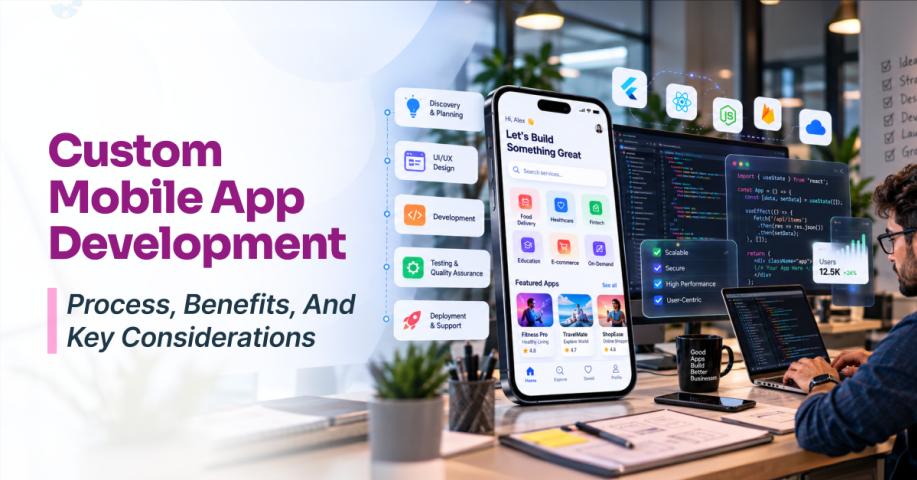
Rapidly growing startups and hyperlocal delivery businesses often adopt on-demand E-commerce app development along with OMS solutions. This approach enables them to build custom order flows, delivery rules, and notification systems tailored to their specific operational requirements and customer expectations.
OMS Pricing Expectations in the Indian Market
OMS pricing in India depends on factors such as monthly order volume, number of users, warehouses, and feature complexity. Entry-level systems are affordable and suitable for startups and local sellers. Mid-range platforms usually follow subscription models based on usage and add-on modules. Enterprise-grade OMS solutions typically offer customized pricing.
Businesses working with an Ecommerce app development company often view OMS as a long-term investment. While advanced systems may involve higher upfront costs, they help reduce revenue leakage caused by order errors, stock inaccuracies, delayed shipments, and inefficient return handling.
Mobile-Enabled OMS for India’s Mobile-First Workforce
India’s business workforce is largely mobile-driven. Store owners, warehouse staff, and delivery teams depend on smartphones for day-to-day operations. Mobile-enabled OMS platforms allow teams to manage orders, update inventory, generate invoices, and confirm deliveries from anywhere.
This approach aligns seamlessly with E-commerce mobile app development, enabling businesses to manage both customer-facing sales and backend operations through mobile interfaces. Mobile-first OMS access improves responsiveness, supports remote teams, and strengthens coordination across distributed supply chains.
Selecting the Right OMS for Sustainable Growth
Choosing the right OMS requires understanding both current needs and future expansion plans. Businesses should consider order volume, sales channels, warehouse structure, and growth goals. A system that works for today’s operations should also scale smoothly as demand increases.
Organizations using E-commerce app development services should ensure their OMS supports flexibility, integrations, and future enhancements. A scalable OMS can easily adapt to new marketplaces, payment gateways, logistics partners, and customer engagement tools without disrupting daily workflows.
Final Words
As India’s commerce ecosystem becomes increasingly digital and competitive, efficient order management will define business success. A powerful OMS brings automation, accuracy, and visibility to complex multi-channel operations. Whether a business partners with an Ecommerce app development company, adopts E-commerce app development services, expands through E-commerce mobile app development, or builds tailored solutions using on-demand E-commerce app development, a modern Order Management System will remain the foundation of scalable, reliable, and future-ready commerce in India by 2027 and beyond.