Hiring teams adopt automation to keep up with rising resume volume and shrinking timelines. Resume parsing tools promise cleaner candidate data and faster shortlists. On paper, that sounds simple. In real hiring environments, the gap between promise and performance shows up fast.
After years of working with recruiters, HR leaders, and TA teams, I’ve seen the same pattern repeat. Tools look impressive during demos, then struggle with real resumes, real formats, and real hiring pressure. The result doesn’t explode on day one. It builds slowly. Trust drops. Manual work creeps back. Hiring speed takes a hit.
Most of these issues come from avoidable mistakes made during tool selection. Let’s walk through them, starting with the most damaging one.
Confusing Resume Parsing With Resume Screening
This mistake sits at the center of many bad buying decisions, especially when teams invest in AI recruitment software without defining what they actually need from it.
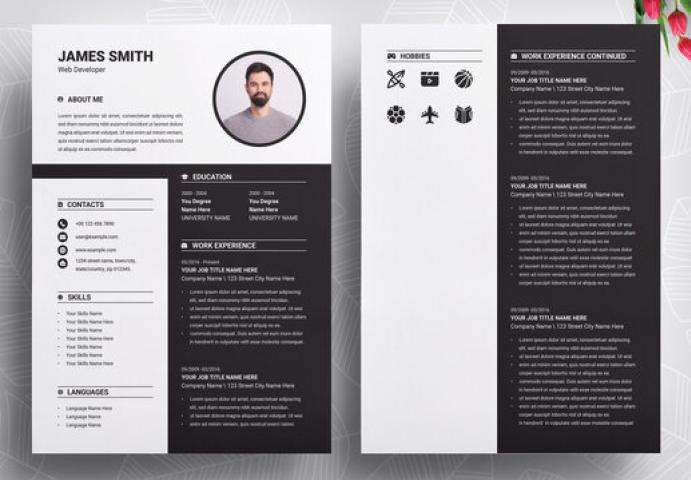
Resume parsing extracts data from resumes and converts it into structured fields like skills, job titles, education, and experience. Resume screening evaluates candidates against job criteria and helps recruiters shortlist them. These two functions support each other, but they are not interchangeable.
The difference between resume parsing and resume screening matters because screening logic depends entirely on parsing accuracy. If skills, roles, or timelines get misread, screening results turn unreliable.
Many teams expect one product to excel equally at both. That expectation rarely holds true. Gartner research shows a large share of ATS replacements happen due to misunderstanding core capabilities at the buying stage.
Clear role definition at this stage prevents inflated expectations and wasted spend later.
Believing Accuracy Claims Without Testing Resumes
Accuracy percentages look good on slides. Real resumes expose the truth.
Actual resumes arrive as PDFs, scans, tables, and multi column layouts. Some include regional job titles. Others include career gaps or mixed roles.
One TA manager I worked with tested a parser against six months of archived resumes. Nearly 17 percent of skills were missed or misclassified. Screening filters built on that data failed silently.
Before committing, test tools using your own resumes. Ask vendors how accuracy shifts across formats and roles. Claims without proof don’t protect hiring outcomes.
Ignoring Resume Variety Across Roles And Industries
Many parsing tools perform well on standard tech resumes. Problems appear when hiring expands.
Sales resumes highlight targets and outcomes. Operations resumes focus on tenure. Healthcare resumes rely on certifications. Blue collar resumes often lack rigid structure.
Parsing tools must handle that spread.
If recruiters keep correcting data manually, automation loses value. Any serious resume parsing vs resume screening evaluation should test role diversity, not just ideal examples.
Treating Automated Screening As Risk Free
Automation speeds hiring. It also introduces bias risk.
Keyword driven screening often favors candidates who optimize resumes rather than those who fit the role best. Strong profiles sometimes rank lower due to phrasing differences.
Regulatory bodies now expect transparency in automated hiring decisions. Ethical hiring requires explainable logic.
If your system includes automated resume screening software, review how decisions can be audited. Recruiters should understand why candidates move forward or drop out.
Choosing Tools Recruiters Don’t Enjoy Using
Power means nothing if recruiters avoid the tool.
Some platforms feel rigid in daily use. Filters feel clumsy. Overrides hide behind layers. Simple edits take too many steps.
Recruiters work fast. Friction kills adoption.
During trials, watch recruiters use the product for real tasks. Not demos. Real workflows expose issues quickly.
Paying For Features You’ll Never Use
Feature overload remains a common trap.
Vendors bundle parsing, screening, CRM, assessments, and analytics into one package. Teams end up using a fraction of it.
Complex systems increase training time and error risk. Sometimes the best resume screening tool is the one that solves your main problem cleanly, not the one with the longest feature list.
Buy for current needs. Scale later.
Overlooking ATS And HR System Integration Limits
Parsing tools rarely work alone. They feed data into ATS platforms and HR systems.
Many buyers assume integrations work smoothly. Reality often includes partial sync, broken field mapping, and delayed updates.
Ask detailed questions about data flow. Field mapping. Sync frequency. Error ownership.
Poor integration pushes recruiters back into manual fixes.
Forgetting To Plan For Hiring Spikes
Tools behave differently under pressure.
Seasonal hiring or expansion phases can double resume inflow overnight. Some systems slow down or raise costs sharply at scale.
LinkedIn hiring data shows resume volume can rise by over 30 percent during peak cycles. Tools must handle that load without accuracy loss.
Ask vendors about performance under high volume. Not average use.
Treating Data Security As An Afterthought
Resumes contain sensitive personal data.
Ask where data lives. How long it stays. Who can access it? Compliance standards like GDPR and SOC 2 exist for a reason.
Transparency builds trust with candidates and protects employer reputation.
Choosing Without A Clear Evaluation Framework
Too many teams rely on demos and sales calls.
Create a scorecard before you shop. Accuracy. Resume variety handling. Screening logic. Bias controls. Integrations. Support quality.
Weight each factor based on hiring goals. Test vendors against that list.
This step prevents regret months later.
Conclusion
Resume parsing software influences every hiring decision that follows. Weak choices surface slowly, then compound.
Clear understanding of resume parsing vs resume screening protects teams from false expectations. Honest testing reveals gaps early. Recruiter feedback prevents adoption failure.
If your hiring stack includes AI recruitment software, parsing quality forms its backbone. Weak foundations crack under pressure.
Take time to evaluate. Question claims. Involve recruiters early. And when ready, choose the best automated resume parsing software based on real performance, not polished demos.
Bad tools don’t fail loudly. They fail quietly, one flawed shortlist at a time.