
**Golden Hour Timing**
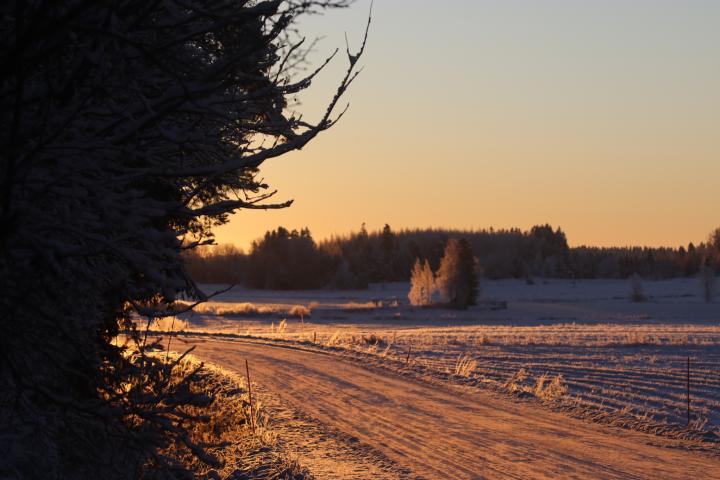
The golden hour occurs shortly after sunrise or before sunset, when soft light creates eye-catching warmth and long shadows in nature shots.
**First Wildlife Photo**
The earliest wildlife photograph for National Geographic appeared in 1906, delayed by the need for faster lenses and sensitive film.
**George Shiras Innovation**
George Shiras III pioneered camera traps and flash photography in the early 1900s to capture nocturnal wildlife without disturbance.
**Ansel Adams Legacy**
Ansel Adams specialized in black-and-white landscapes of Yosemite, using advanced printing techniques for dramatic detail.
**Wide Aperture Use**
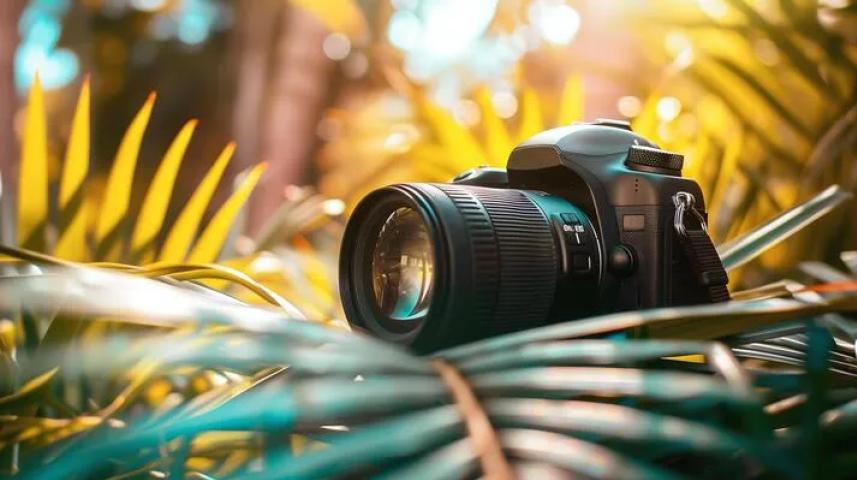
Wildlife photographers employ wide apertures for fast shutter speeds to freeze animal motion and blur backgrounds.
**Macro Focus**
Macro photography enlarges tiny subjects like insects or dewdrops, turning overlooked details into striking, abstract DPs.
**Telephoto Necessity**
Long telephoto lenses and tripods are essential for wildlife shots, as they allow distant captures without scaring subjects.
**Landscape Depth**
Landscape photographers prefer small apertures to keep vast scenes like mountains or forests in sharp focus.
**National Parks Impact**
Early photographers like Carleton Watkins influenced the creation of U.S. national parks through their stunning Western landscapes.
**Ethical Challenges**
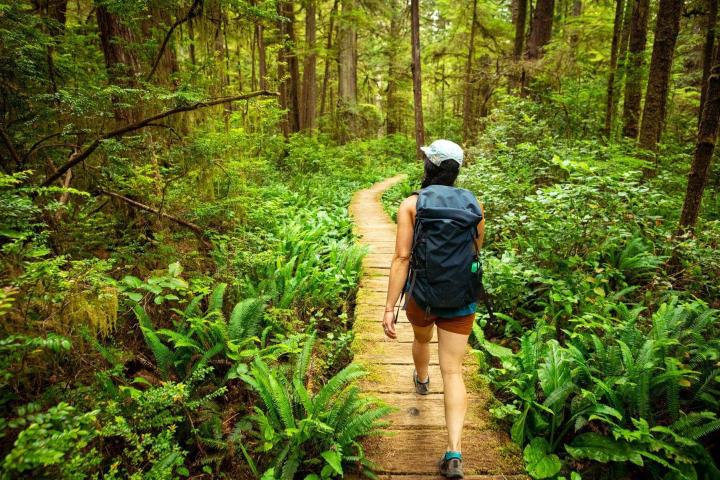
True nature photography avoids disturbing animals, prioritizing patience and habitat knowledge over staged setups.