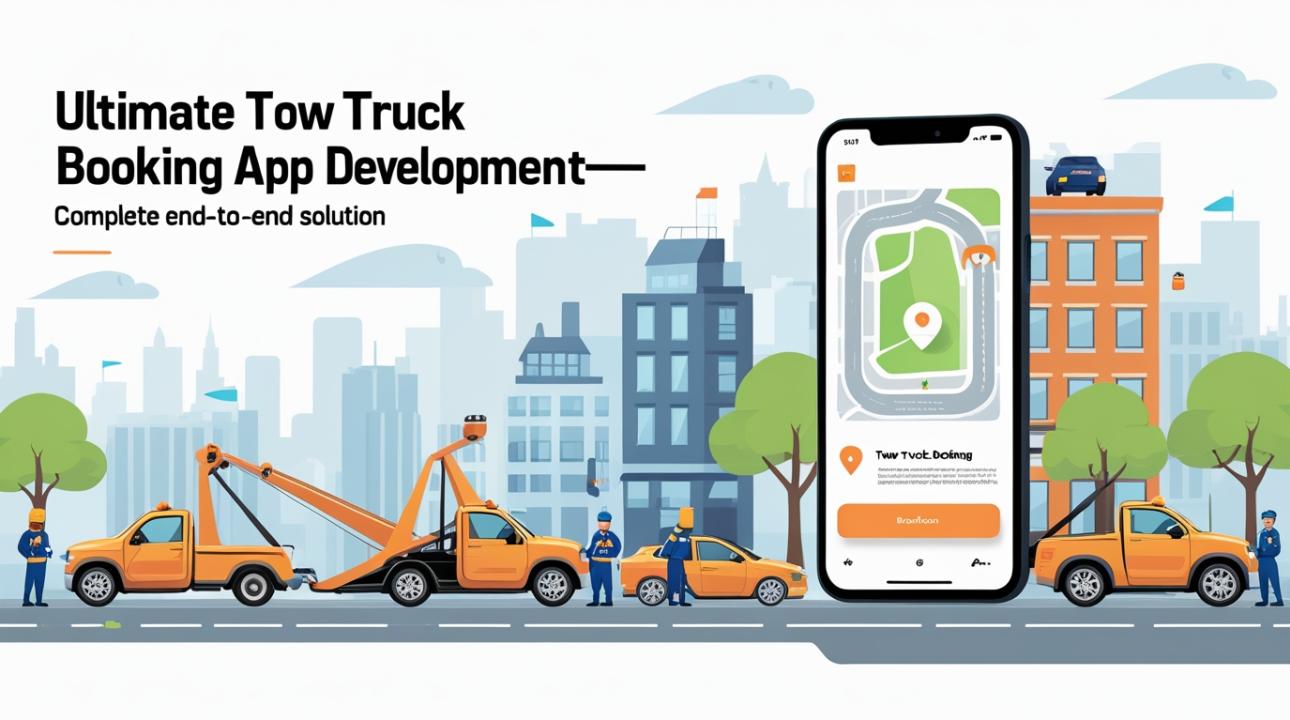
In today's fast-paced world, efficient and reliable roadside assistance is more crucial than ever, making tow truck services a vital component of the automotive industry. As technology continues to evolve, the demand for innovative solutions like a comprehensive tow truck booking app is on the rise. This article explores the complete end-to-end solution for developing such an app, delving into the essential features, technologies, and design principles necessary to create a user-friendly experience. From understanding the industry's landscape to implementing marketing strategies, we will guide you through every aspect of building a successful tow truck booking application that meets the needs of both operators and customers.
Understanding the Tow Truck Industry Landscape
Market Analysis and Trends
The tow truck industry is experiencing a transformation, thanks to the exponential growth of mobile technology and on-demand services. With the rise in vehicle ownership, the demand for towing services has skyrocketed. A 2023 market report suggests that the industry is projected to grow by 5% annually, driven by factors like vehicle breakdowns, road incidents, and the increasing popularity of ride-sharing services. As more consumers turn to their phones for assistance, the appetite for convenient app-based solutions has never been greater.
Competitor Overview
In the vast ocean of roadside assistance apps, a few sharks have emerged. Companies like AAA and Urgent.ly dominate, but smaller localized players are carving out their niches. What sets them apart? Unique service offerings, user-friendly interfaces, and, of course, that magic ingredient: customer trust. To navigate this competitive landscape, it's crucial to identify gaps in services and figure out what customers really crave—because who doesn’t want a tow that arrives faster than you can say “help!”?
Target Audience Demographics
Who needs a tow truck? Spoiler alert: Everyone with a car! But digging deeper, the primary demographic includes drivers aged 18-45, with a penchant for tech-savviness and a love for convenience. Millennials and Gen Z are particularly fond of using apps for everything from food delivery to emergency help. And let’s not forget businesses with fleets that might occasionally need an extra hand (or tow) on the road. Understanding these demographics helps tailor the app’s marketing and features to hit the sweet spot.
Key Features of an Effective Tow Truck Booking App
User Registration and Profile Management
First impressions matter—especially when your car is stranded. A smooth user registration process is key. Allow users to create profiles easily, providing essential information like vehicle details and preferred payment methods. Think of it as creating a digital ID for their towing needs. Bonus points for social media logins—a quick tap, and they’re in!
Real-Time Tracking and GPS Integration
Picture this: you’re waiting for a tow truck and you’re tired of guessing if it’s stuck in traffic or enjoying a leisurely coffee break. Real-time tracking is essential. By integrating GPS, users can see exactly where their rescue vehicle is, keeping anxiety at bay. Let’s be real; no one enjoys living in suspense when they’re stranded!
Booking Management and Notifications
Once users have booked their tow, they shouldn’t have to deal with uncertainty. Provide an intuitive booking management system that allows users to modify their requests or cancel if needed. And don’t forget notifications! Sending alerts about the estimated time of arrival (ETA) can turn frowns into smiles faster than you can say “you’ve got mail!”
Customer Support Features
Even the best apps can’t predict every hiccup. Therefore, robust customer support is a must. Include features like live chat, FAQs, and a direct line to customer support. Remember, happy customers are repeat customers, and a friendly voice can make all the difference when someone’s feeling stranded and frustrated.
Essential Technologies for App Development
Choosing the Right Development Platform
Whether you go native, hybrid, or web, choosing the right development platform is like picking the right shoes for a long road trip—important! Native apps offer performance and a seamless user experience, but hybrid apps can be budget-friendly and quicker to develop. Weigh the pros and cons like an expert, and choose the platform that aligns with your goals and your audience's expectations.
Backend Infrastructure and APIs
Behind every successful app is a solid backend infrastructure. Robust servers, databases, and APIs are crucial for handling user requests, processing payments, and managing data. Ensure your backend can scale as your user base grows—because nobody wants a tow truck app that crashes when it needs to perform!
Mobile vs. Web Applications
In an age dominated by smartphones, the debate between mobile and web applications is akin to choosing between pizza and tacos. Both have their merits, but for a tow truck booking app, a mobile application can provide a more convenient, user-friendly experience. While a responsive web app can work in a pinch, a well-designed mobile app takes the cake when users are stranded and hungry for help.
Designing a User-Friendly Interface
Principles of UI/UX Design
Creating a user-friendly interface is all about making things easy and intuitive. Stick to UI/UX design principles like simplicity, consistency, and accessibility. Users should navigate your app without needing a map! Clear icons, readable fonts, and an uncluttered layout will ensure they feel in control—even when their car isn’t.
Accessibility Considerations
Accessibility isn’t just a buzzword; it’s essential for reaching a wider audience. Consider users with disabilities and design features that make your app usable for everyone. This could mean text-to-speech options, high-contrast visuals, and manipulation-free navigation. An inclusive app not only helps those in need but shows you care about your users—bonus points for empathy!
Responsive Design for Multiple Devices
Whether users are on a sleek smartphone or a tablet, your app should shine. Responsive design ensures that your app looks and functions beautifully across all devices. Use adaptive layouts and flexible images so everyone can access the help they need, wherever they are. In the world of tow truck apps, flexibility is key—much like the driver who has to adapt to unexpected road conditions!
Integrating Payment and Dispatch Systems
Payment Gateway Options
When it comes to payment gateways in your tow truck booking app, think of it as your financial bouncer—no one gets in without proper ID! Popular options like Stripe, PayPal, and Square are like the VIPs of the payment world—they’re secure, reliable, and easy to integrate. Choose a gateway that not only allows credit card payments but also supports digital wallets and mobile payments; after all, modern customers want flexibility when it comes to paying for that much-needed rescue on the road.
Automated Dispatching Algorithms
Automated dispatching algorithms are the unsung heroes of your app—a bit like the brain behind the brawn. They analyze incoming requests in real-time, factoring in proximity, driver availability, and traffic conditions. This means your users will get prompt assistance faster than they can say “I shouldn’t have attempted that U-turn!” By implementing smart algorithms, you can optimize routes, reduce wait times, and leave both customers and drivers grinning from ear to ear.
Order Tracking and Confirmation
Order tracking and confirmation features are like the glittering cherry on top of your app sundae. Customers can track their tow truck’s location in real-time, ensuring they're not left waiting with bated breath and a thumb full of worry. Sending automated confirmations via text or app notifications can also keep users informed every step of the way. Remember, a little reassurance goes a long way—especially when you’re stranded on the side of the road!
Ensuring Security and Data Privacy
Implementing Secure Authentication Methods
Secure authentication methods are your app’s first line of defense against the digital world’s nefarious characters. Think beyond the basic username and password combo; consider multi-factor authentication (MFA) as the superhero cape for your security. Adding biometrics or a one-time passcode can create a solid barrier, ensuring that only authorized users can access sensitive information—because nobody wants a villain stealing their account information!
Data Encryption Practices
Data encryption is like locking your valuables in a safe—it keeps prying eyes at bay! By encrypting sensitive user data both in transit and at rest, you ensure that even if hackers manage to intercept the information, it looks like gibberish. Utilizing encryption protocols such as SSL for data in transit and AES for stored data can help maintain user trust. After all, your app should have the security of Fort Knox, not a flimsy garden shed!
Compliance with Regulations (GDPR, CCPA)
Navigating the labyrinth of data privacy regulations can feel like solving a Rubik’s Cube blindfolded. GDPR and CCPA are two pivotal regulations that require you to handle user data with care. Ensure your app includes features like user consent for data collection, the ability to view, modify, or delete personal information, and transparency regarding data usage. Compliance isn’t just a box to check—it’s a commitment to respecting user privacy, and it can save you from expensive legal headaches down the road.
Marketing Strategies for Your Tow Truck App
App Store Optimization (ASO)
App Store Optimization (ASO) is your app’s best friend in the crowded marketplace. Think of it like putting on a dazzling outfit for a first date; you want to attract attention! Use relevant keywords, captivating descriptions, and eye-catching visuals to boost your app’s visibility. Don’t forget to encourage positive reviews and ratings—because nothing says “download me” like a string of enthusiastic testimonials from happy customers who were towed to safety!
Social Media and Content Marketing
Social media platforms are the bustling streets where your app can strut its stuff. Create engaging content that resonates with your target audience—whether it’s sharing towing tips, user success stories, or even funny roadside mishaps. An active social media presence can create a community around your app, encouraging users to share their experiences and driving organic growth. Remember, a little humor goes a long way, especially when dealing with roadside dramas!
Partnerships and Collaborations
Partnerships and collaborations can add a rocket booster to your app’s visibility. Teaming up with local auto repair shops, insurance companies, or even roadside assistance services can provide mutual benefits and broaden your reach. Think of it as a friendly neighborhood bartering system—everyone wins! These partnerships can lead to exclusive offers, referrals, or bundles that entice users to choose your app over the competition.
Future Trends in Tow Truck Booking Solutions
Adoption of AI and Machine Learning
The future of tow truck booking is gearing up for an AI revolution! By integrating machine learning algorithms, your app can analyze user behavior and preferences, leading to personalized experiences that feel tailor-made. Whether it’s suggesting optimal tow truck options or predicting peak demand times, AI can help you stay ahead of the curve. Plus, who doesn’t love the idea of an app that learns and grows smarter over time?
Impact of Electric and Autonomous Vehicles
As electric and autonomous vehicles become more mainstream, your app must adapt like a chameleon. Think about incorporating features that cater specifically to electric vehicle users, such as identifying charging stations or offering eco-friendly towing options. Autonomous vehicles could change the entire game, too; imagine an automated tow truck arriving at the scene without a human driver—futuristic, right? Stay ahead of the trend, and you’ll be the go-to app in an evolving landscape.
Emerging Technologies and Their Applications
Emerging technologies like blockchain, augmented reality (AR), and IoT are knocking on the door of the towing industry, and it’s time to let them in! Blockchain can enhance security and transparency, while AR can provide drivers with navigation overlays during tricky tows. The Internet of Things (IoT) can connect vehicles to towing services for seamless communication. Embracing these technologies can position your app as a forward-thinking solution that’s ready for the future, ensuring you’re not just keeping up with the times, but leading the charge!In conclusion, developing a robust tow truck booking app is an essential step for businesses looking to thrive in a competitive market. By focusing on key features, leveraging the right technologies, and prioritizing user experience, you can create an app that not only meets the needs of your customers but also streamlines operations for your business. As the industry continues to evolve, staying ahead of emerging trends and incorporating innovative solutions will ensure your app remains relevant and effective in providing top-notch roadside assistance. With thoughtful planning and execution, your tow truck booking app can become a valuable asset in delivering reliable service to those in need.
Frequently Asked Questions
What are the core features needed in a tow truck booking app?
The core features typically include user registration, real-time tracking, booking management, payment processing, notifications, and customer support functionalities.
How long does it take to develop a tow truck booking app?
The development time can vary based on complexity and features but generally ranges from 3 to 6 months for a fully functional app, including testing and deployment.
What technologies are best suited for developing a tow truck booking app?
Common technologies include mobile development frameworks like React Native or Flutter for cross-platform apps, Node.js or Ruby on Rails for backend development, and cloud services for data storage and management.
How can I effectively market my tow truck booking app?
Effective marketing strategies include app store optimization (ASO), leveraging social media platforms, creating engaging content, and forming partnerships with local automotive businesses to enhance visibility and user acquisition.