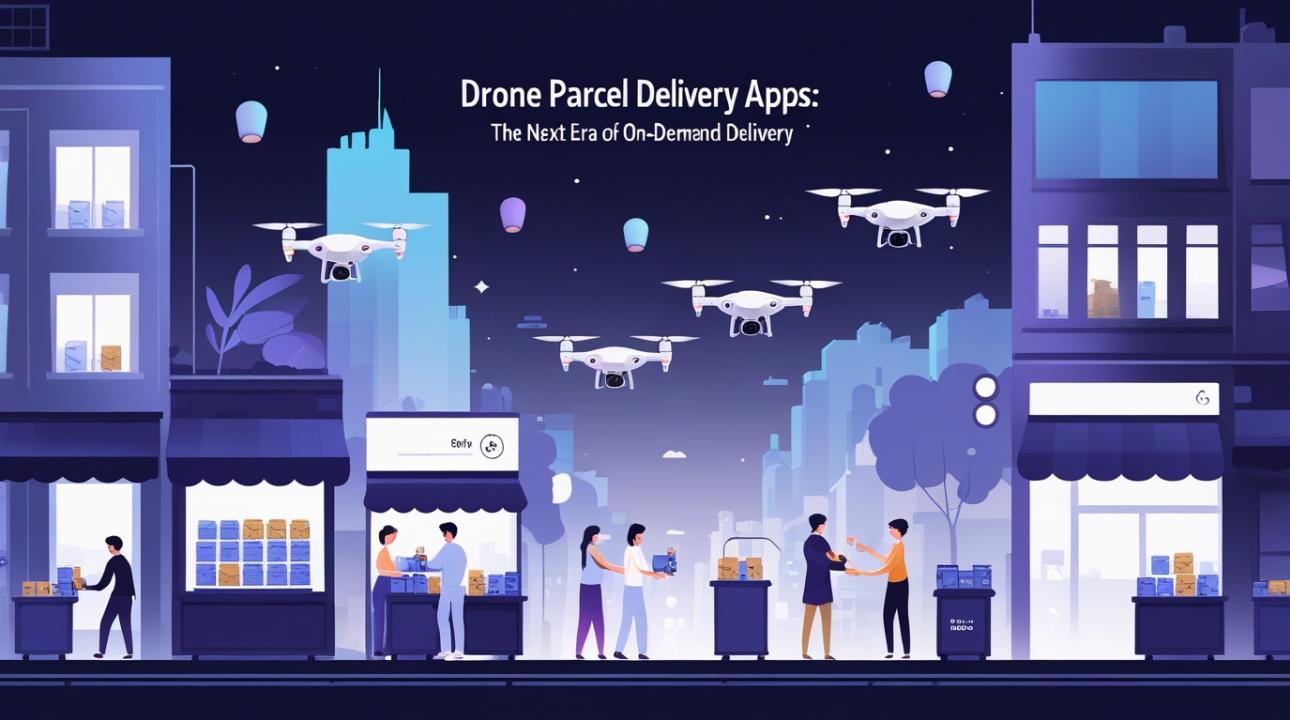
The advent of drone technology has revolutionized many sectors, and the logistics industry is no exception. As e-commerce continues to surge, the demand for faster and more efficient delivery methods has led to the emergence of drone parcel delivery apps. These innovative solutions promise to enhance the on-demand delivery experience by reducing delivery times, lowering costs, and minimizing environmental impact. In this article, we will explore the technology behind drone delivery systems, the benefits they offer, the key players in the market, and the challenges they face in regulatory landscapes. As we look towards the future, it becomes increasingly clear that drone delivery apps may very well mark a new era in how we receive our parcels.
Introduction to Drone Parcel Delivery
Overview of On-Demand Delivery Trends
In a world where ‘I want it, and I want it now’ is the mantra, on-demand delivery has skyrocketed in popularity. Consumers expect their goodies—whether it's the latest gadget or a midnight snack—at their doorstep before they can even finish scrolling through their social media feeds. Enter the age of drones, swooping in to save the day faster than you can say “two-day shipping.” With increased demand for rapid delivery and advancements in technology, drone parcel delivery is positioning itself as the knight in shining armor of logistics.
The Rise of Drones in Logistics
From fancy delivery concepts to a reality that hovers above our heads, drones are redefining the logistics landscape. Once seen as cool gadgets for tech enthusiasts, these flying machines are now proving their worth in the delivery arena. Companies are recognizing that drones can navigate tight city spaces and shun traffic like a pro, all while carrying packages to customers faster than you can say “package arrived.” It's like having a futuristic postal service, minus the cranky mailman and the re-routed letters.
The Technology Behind Drone Delivery Apps
Key Components of Drone Technology
At the heart of drone delivery is a delightful mix of gears, gadgets, and some serious tech magic. Drones are equipped with high-caliber cameras for navigation, sensors to avoid trees (or that pesky pigeon), and, of course, enough battery power to make it back home. Each component is essential, allowing these little machines to zip through the skies with packages in tow, ensuring your new favorite mug arrives unscathed.
Software and Navigation Systems
Behind every successful drone delivery lies sophisticated software that rivals your favorite navigation app. These systems are designed to plan efficient flight paths, monitor airspace, and ensure safe landings without crashing into your neighbor’s barbecue. Think of it as a trusty co-pilot giving directions while you (or rather, the drone) do all the heavy lifting. With constant updates and real-time data, they make sure every delivery hits its target faster than you can say, “Where’s my package?”
Integration with Existing Delivery Networks
Bringing drones into the delivery mix doesn’t mean tossing the traditional logistics playbook out the window. In fact, it’s about knitting the old with the new, weaving drone deliveries seamlessly into existing networks. By partnering with established carriers and e-commerce platforms, drone tech can augment current systems, ensuring that packages are efficiently routed from warehouses to doorsteps without a hitch—unless, of course, there’s a squirrel in the way!
Benefits of Using Drones for On-Demand Delivery
Speed and Efficiency Advantages
Drones are not just fast; they’re like that friend who shows up on time — no traffic jams or missed buses! They can reduce delivery times significantly, zipping over obstacles and whisking packages directly to customers' doors in record speed. Faster deliveries mean happier customers, and let's be honest, who doesn’t want to see that smile on their face when they realize their favorite snacks just dropped from the sky?
Cost-Effectiveness for Businesses
For businesses, drone delivery is akin to finding a treasure chest in your backyard. Reduced operating costs, fewer delivery personnel, and minimized fuel expenses can translate to serious savings. Plus, with drones taking over the skies, companies can offer competitive delivery options without breaking the bank. Who knew that flying robots could also help keep wallets happy?
Environmental Impact and Sustainability
In a time when Mother Earth deserves a hug, drones come to the rescue by offering a greener alternative to traditional delivery methods. Many drones are electric, emitting fewer greenhouse gases and using less energy than trucks. With rising concerns over climate change, using drones for those quick deliveries is like giving a thumbs-up to sustainability. Talk about saving the planet one package at a time!
Current Players in the Drone Delivery Market
Major Companies Leading the Charge
When it comes to drone delivery, a handful of giants are soaring high above the competition. Companies like Amazon and Google are investing heavily in their drone delivery programs, hoping to hover to the top of the market. Their clout and resources mean they can push boundaries and innovate at breakneck speeds, leading us into this extraordinary aerial delivery era.
Startups Innovating in the Space
While the big guns are flexing their wings, a wave of startups is ready to shake things up like an energetic dance party. These nimble innovators are bringing fresh ideas and cutting-edge technology to the table, challenging traditional delivery models. With passion and creativity, they’re proving that sometimes the little guy can fly high!
Partnerships and Collaborations
In the world of drone delivery, teamwork makes the dream work. Partnerships between tech companies, retailers, and logistics firms are creating a perfect blend of expertise, resources, and ambition, propelling drone delivery into the mainstream. Whether it’s teaming up to share airspace or collaborating on service offerings, these alliances are essential in forging the future of parcel delivery—because let’s face it, who doesn’t want to see a drone swarm delivering snacks during a movie night?
Regulatory Challenges and Considerations
Government Regulations and Guidelines
Navigating the regulatory landscape for drone parcel delivery is like trying to fly a drone in a windstorm—challenging, but not impossible. Governments around the world are scrambling to catch up with this airborne revolution. In the U.S., the Federal Aviation Administration (FAA) has rolled out guidelines, but they're often more of a flight manual than a user-friendly app. Licensing, weight restrictions, no-fly zones, and the ever-vigilant eye of the law all loom over potential drone delivery services. The key players—like Amazon and UPS—are not just waiting for regulations to catch up; they’re actively lobbying for more clarity to ensure they can deliver your snacks aerially without worrying about landing in a no-fly zone.
Safety and Privacy Concerns
When you think “flying packages,” it’s easy to feel like you’ve stepped into a sci-fi movie—until you remember that it’s not just the packages getting flown around. Safety is paramount, and drone delivery raises eyebrows and heart rates alike. What happens if a drone has a mid-air mishap? Or if your neighbor’s cat decides to play with its rotor blades? Not to mention privacy concerns—who wants a drone hovering over their backyard, eyeing the latest barbecue? Striking a balance between convenience and these real-world dilemmas is essential for public acceptance of drone delivery services.
Future of Drone Regulations
As technology advances and public sentiment evolves, so too will the regulations surrounding drone deliveries. We can expect a push for more comprehensive and dynamic rules that integrate the latest tech developments—think AI-driven flight paths and automated no-fly zone adjustments. Eventually, regulations will become as flexible as the drones themselves, ensuring safety while allowing for rapid deployment. As we soar into the future, collaborative efforts between companies, regulators, and communities will be the key to creating a sky that’s safe for both drones and humans alike.
Future Trends in Drone Delivery Services
Advancements in Drone Technology
If you thought drones couldn’t get any cooler, think again! With advancements such as improved battery life, enhanced payload capacities, and advanced AI capabilities, drones are evolving faster than some folks can keep up with (sorry, grandma!). The future is looking bright, with drones that can dodge obstacles and navigate complex environments autonomously. This means faster deliveries, fewer crashes, and a more user-friendly experience for everyone involved. Plus, who wouldn’t want to see their package swoop in like an aerial superhero?
Expansion into New Markets
Drone delivery isn’t just for urban jungles anymore; it's set to spread its wings into rural areas, remote communities, and even developing nations. Imagine getting a hot pizza delivered to your remote cabin in the woods without any pesky delivery drivers or, better yet, a drone delivering medical supplies to an island community. Companies are already eyeing these untapped markets, promising to make on-demand delivery a truly global phenomenon. The sky's the limit—literally!
Emerging Use Cases for Drone Deliveries
Drone deliveries are not just about bringing your online shopping to your doorstep. They're also entering niche markets—think agricultural deliveries of seeds, fertilizers, or even tools to farmsteads that are hard to reach. Emergency services are using drones to deliver medical supplies in disaster-stricken areas, proving that these flying machines can save lives. We can even envision drones delivering gourmet meals to picnics in the park—because who doesn’t want a fancy lunch without having to lug it themselves? The possibilities are as endless as the sky!
Case Studies: Successful Implementations of Drone Delivery
Notable Examples from Around the World
From Australia to the USA, several companies have taken the plunge into drone delivery and are already making waves. In New Zealand, Wing (a subsidiary of Alphabet) has successfully delivered coffees and snacks to locals, proving that yes, even coffee can be delivered via drone—no longer a far-off dream! Meanwhile, in Switzerland, Matternet has made headlines by delivering medical supplies to hospitals via drone, showcasing the potential for life-saving innovations. These trailblazers are not just testing the waters; they’re flying high and setting standards for the rest of the world.
Lessons Learned from Successful Projects
One of the most crucial lessons learned from the early adopters is the importance of community engagement. Successful projects have shown that keeping the local population informed and involved is key to gaining acceptance. Additionally, developing reliable tech that can handle unexpected obstacles—like trees, weather, and, let’s face it, curious pets—is vital for operational success. Moreover, startups have learned that flexibility and adaptability in operations can allow them to thrive in an ever-evolving landscape. These insights pave the way for future drone delivery endeavors and indicate a bright horizon.
Conclusion: The Future of On-Demand Delivery Solutions
Summarizing Key Insights
In summary, drone parcel delivery apps are not just a flight of fancy; they represent the next frontier in on-demand delivery. With regulatory frameworks beginning to take shape, burgeoning technology, and successful case studies, we’re on the cusp of a new era where your packages might just zoom into your backyard (or rooftop) faster than you can say “express delivery!” The focus is shifting from mere convenience to safety, privacy, and community acceptance, making this innovation a holistic advancement.
Looking Ahead: What’s Next for Drone Deliveries?
So, what’s next for our flying friends? Expect collaborations between tech giants and local governments to create a seamless and efficient delivery network. As regulations loosen and technology advances, the dream of having hot meals, groceries, or even books sent your way via drone will soon be as normal as ordering a latte. Buckle up—this delivery ride is about to take off!In conclusion, drone parcel delivery apps represent a significant leap forward in the logistics and delivery sector, offering unprecedented speed and efficiency. As technology continues to advance and regulatory hurdles are addressed, we can expect to see these services become more commonplace, transforming the way we think about on-demand delivery. By embracing this innovation, businesses and consumers alike stand to benefit from a more streamlined and eco-friendly approach to receiving goods. The future of delivery is taking flight, and it promises to deliver more than just parcels—it aims to reshape our everyday experiences.
Frequently Asked Questions
What types of products can be delivered by drones?
Drones can deliver a wide range of products, including food, medical supplies, consumer goods, and small packages. However, the types of items that can be delivered depend on the weight and size limitations of the specific drone being used.
Are drone deliveries safe?
Yes, drone deliveries are generally safe, as they are designed with advanced navigation and obstacle avoidance systems. However, safety is also contingent on regulatory compliance and operational guidelines set by aviation authorities.
How does the pricing of drone delivery compare to traditional delivery methods?
While drone delivery may initially seem more expensive due to the technology and infrastructure required, it has the potential to reduce costs in the long run by improving efficiency and lowering operational expenses. Pricing may vary based on the service provider and distance covered.
What are the environmental benefits of using drones for delivery?
Drones are typically more energy-efficient than traditional delivery vehicles, resulting in lower carbon emissions. Additionally, they can reduce road congestion and the need for extensive transportation networks, contributing to a greener delivery solution.