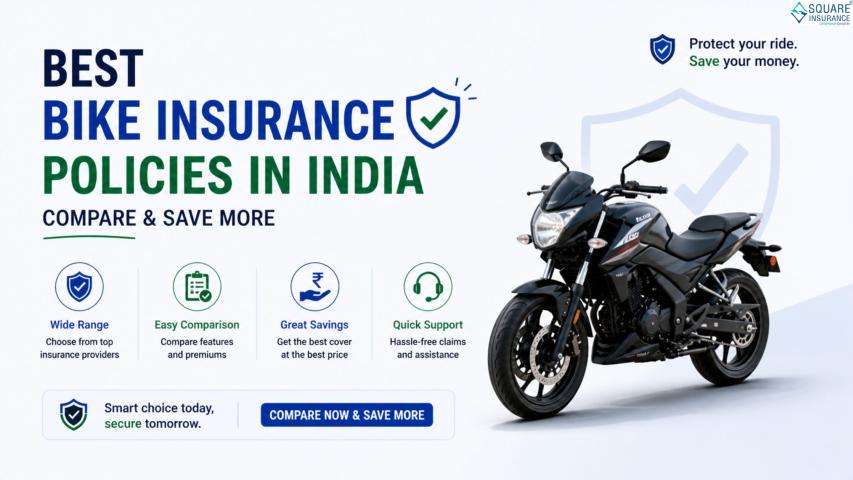
Buying a two-wheeler is often an emotional and financial decision, but protecting it requires a practical approach. With increasing traffic density, rising repair costs, and legal responsibilities, choosing the right insurance policy has become more important than ever.
Many riders buy insurance in a hurry, focusing only on price rather than protection. However, a poorly chosen policy can lead to claim rejections, inadequate coverage, or unnecessary expenses later.
When selecting bike insurance, it is essential to understand how different policies work, what coverage you actually need, and how to avoid common mistakes. This guide shares practical tips to help you choose the right two-wheeler insurance policy with confidence
1. Understand the Types of Two-Wheeler Insurance
Before choosing a policy, it’s important to know the available options:
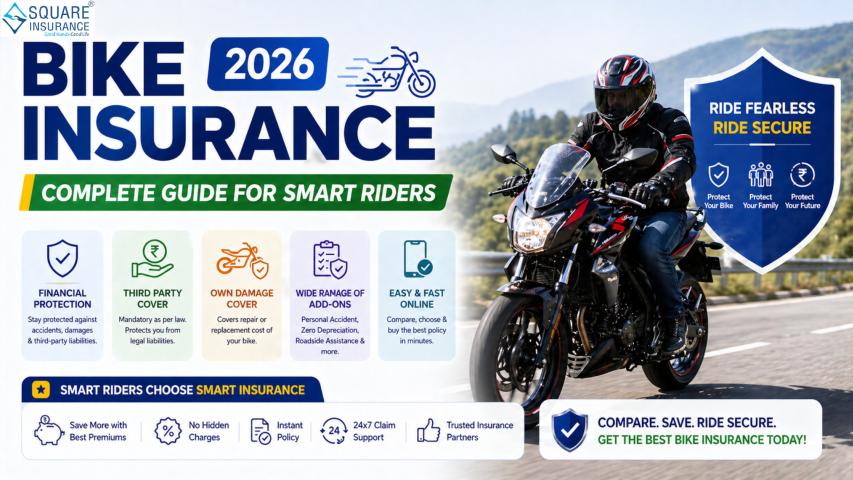
· Third-party insurance: Covers legal liabilities arising from injury, death, or property damage to a third party.
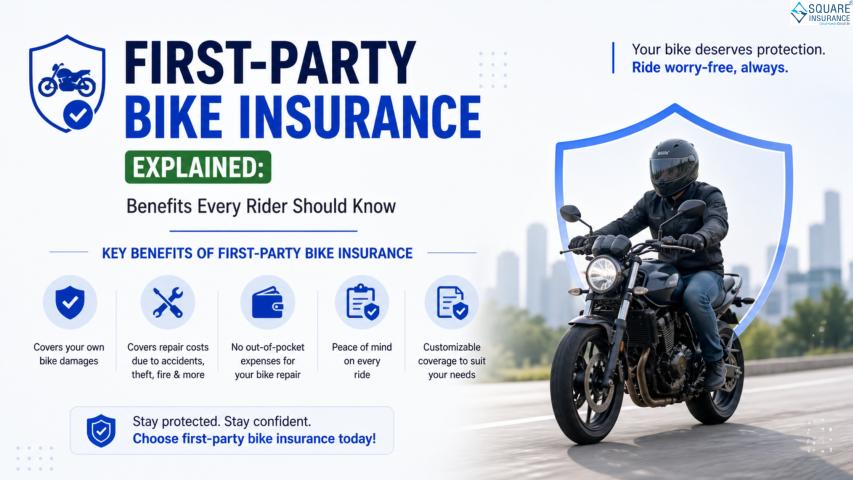
· Comprehensive insurance: Covers third-party liabilities as well as damage to your own bike.
· Standalone own-damage cover: Covers damage to your bike when third-party coverage is already active.
Understanding these options helps you avoid underinsurance or overpaying for unnecessary coverage
2. Evaluate Your Riding Needs and Usage
Not every rider needs the same level of coverage. Consider:
· How frequently you ride
· Whether you commute daily or ride occasionally
· City riding versus highway usage
· Age and condition of your bike
A daily commuter in a metro city may need broader protection than someone who rides occasionally on weekend
3. Choose Between Third-Party and Comprehensive Wisely
Third-party insurance is mandatory, but it offers limited protection. Comprehensive insurance is usually better for:
· New bikes
· High-value two-wheelers
· Riders in accident-prone areas
For older or low-value bikes, third-party coverage may be sufficient. The right choice depends on balancing cost with risk exposure
4. Check the Insured Declared Value (IDV)
IDV represents the current market value of your bike and directly affects:
· Premium amount
· Claim settlement value
A lower IDV reduces premium but also lowers claim payout. An unrealistically high IDV increases premium unnecessarily. Always choose an IDV that reflects your bike’s actual value.
5. Look Beyond Premium and Compare Coverage
A low premium should not be the sole deciding factor. Compare policies based on:
· Coverage inclusions
· Exclusions
· Claim settlement process
· Deductibles
A slightly higher premium can offer significantly better protection and peace of min
6. Select Add-Ons Based on Real Needs
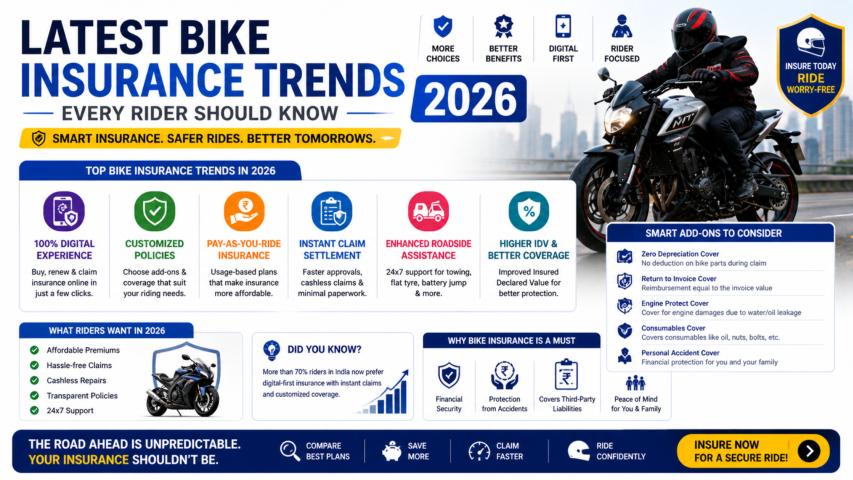
Add-ons enhance coverage but should be chosen carefully. Useful add-ons include:
· Zero depreciation cover
· Engine protection cover
· Roadside assistance
· Return to invoice cover
Avoid selecting add-ons that don’t match your riding conditions or bike usage.
7. Review Policy Exclusions Carefully
Many claim disputes arise due to ignored exclusions. Common exclusions include:
· Riding without a valid license
· Drunk or negligent riding
· Wear and tear
· Mechanical failure
Understanding exclusions helps you avoid unpleasant surprises during claims.
8. Check the Claim Settlement Process
A good policy is only as reliable as its claim process. Look for:
· Simple claim intimation
· Minimal documentation
· Faster settlement timelines
An insurer with a transparent and efficient claims process makes a significant difference during emergencies.
9. Don’t Ignore No Claim Bonus (NCB)
NCB rewards you for claim-free years by offering premium discounts at renewal. To maximize NCB benefits:
· Avoid small, unnecessary claims
· Transfer NCB when switching insurers
· Protect NCB using suitable add-ons if available
NCB can lead to substantial savings over time
10. Consider Long-Term Insurance Plans
Long-term two-wheeler insurance plans are becoming popular due to:
· Fixed premiums for multiple years
· Reduced renewal hassle
· Continuous legal compliance
These plans are especially useful for new bike owners.
11. Buy and Renew Policies Online
Online platforms offer:
· Easy comparison of policies
· Transparent pricing
· Instant policy issuance
They empower riders to make informed decisions without pressure from intermediaries.
12. Read Policy Documents Thoroughly
Always read the policy wording before finalizing. Pay attention to:
· Coverage limits
· Deductibles
· Claim procedures
· Renewal conditions
Clear understanding prevents future misunderstandings.
Common Mistakes to Avoid
· Choosing the cheapest policy blindly
· Ignoring add-on relevance
· Selecting incorrect IDV
· Missing renewal deadlines
· Not checking policy exclusions
Avoiding these mistakes ensures better protection and smoother claims.
Conclusion
Choosing the right two-wheeler insurance policy is not just about fulfilling a legal requirement-it’s about protecting yourself from financial and legal stress. By understanding coverage options, assessing your riding needs, and comparing policies carefully, you can make a smart and confident choice.
Platforms like Square Insurance help simplify this decision-making process by offering clear comparisons, transparent information, and guidance tailored to rider needs. With the right approach, insurance becomes a valuable safeguard rather than a confusing obligation.
Frequently Asked Questions
1. Is two-wheeler insurance mandatory in India?
Yes, at least third-party insurance is legally mandatory for all two-wheelers.
2. Which insurance is better for a new bike?
Comprehensive insurance is generally recommended for new bikes due to higher value and repair costs.
3. Can I change my insurance policy at renewal?
Yes, you can switch insurers and transfer your No Claim Bonus.
4. How do I choose the right IDV?
Select an IDV close to your bike’s current market value to balance premium and claim benefits.
5. Are add-ons really necessary?
Add-ons are optional but useful if they match your riding conditions and risk profile.