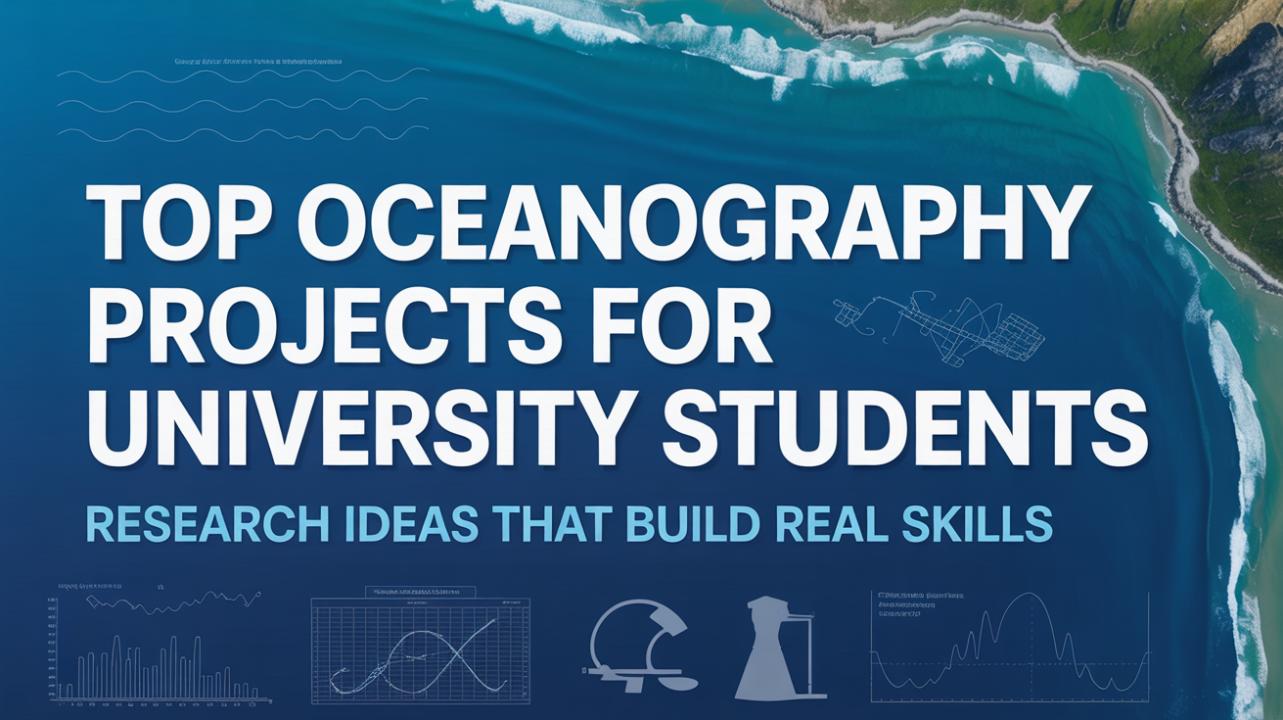
Oceanography offers students a rare opportunity to study real-world systems that directly affect climate, ecosystems, and human societies. The best student projects are not just academic exercises. They build research skills, data literacy, and problem-solving abilities.
Here are some of the most impactful oceanography project ideas for university students.
Why Student Oceanography Projects Matter
Student projects help bridge theory and practice. They allow students to work with real data, field observations, and current scientific questions.
Well-designed projects also prepare students for graduate research, policy work, and marine science careers.
Top Oceanography Project Ideas
1. Ocean Temperature Trends and Climate Change
Analyze historical sea surface temperature data to identify warming patterns and regional differences.
2. Microplastics in Coastal Waters
Study the presence and distribution of microplastics in local beaches or nearshore environments.
3. Plankton Diversity and Seasonal Change
Examine plankton samples to understand food webs and seasonal ecosystem shifts.
4. Ocean Currents and Weather Patterns
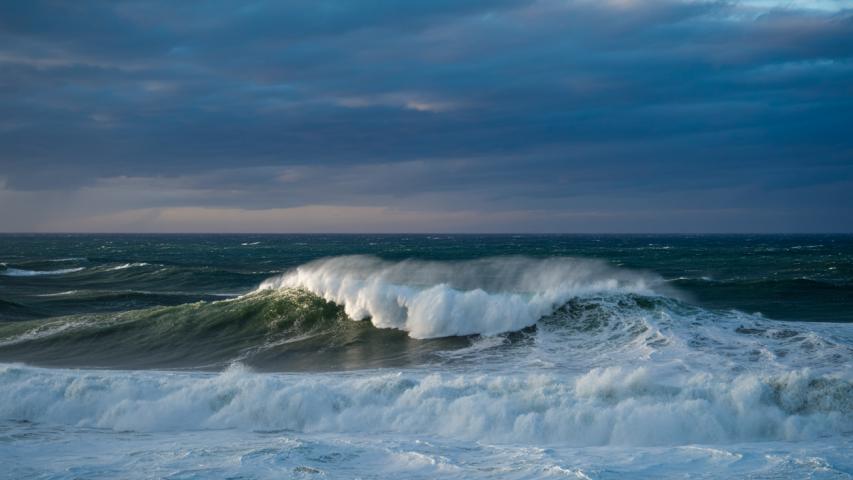
Explore how major ocean currents influence regional climate and storm behavior.
5. Coral Reef Health Assessment
Use satellite imagery or field data to assess coral bleaching and recovery patterns.
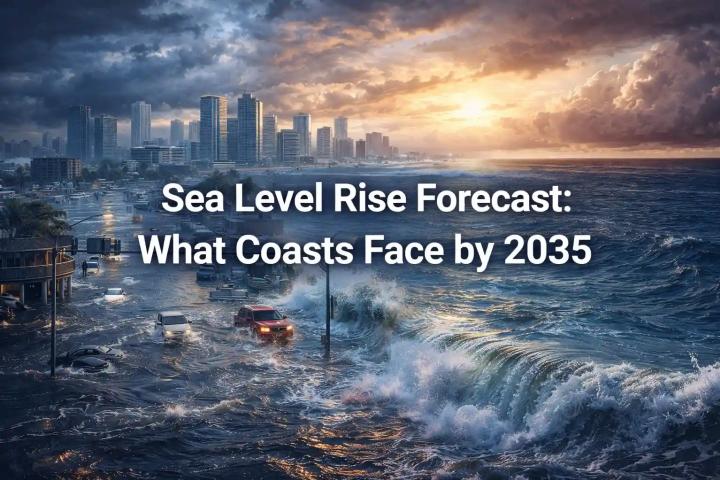
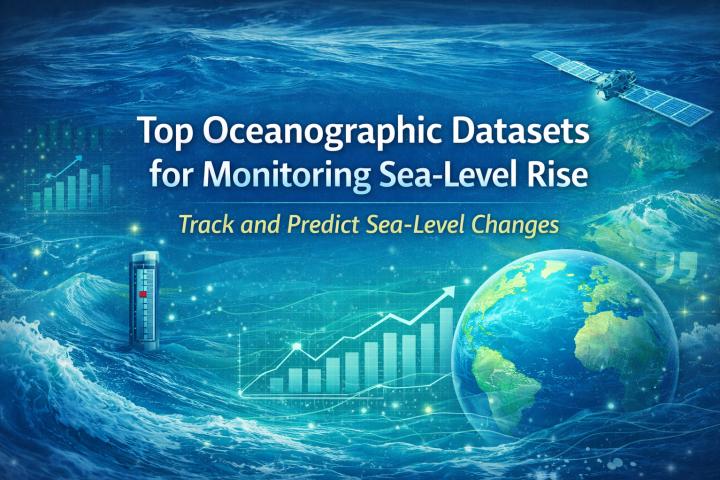
6. Sea Level Rise and Coastal Risk
Model sea level rise impacts on coastal communities and ecosystems.
7. Marine Biodiversity Mapping
Analyze species distribution data to identify biodiversity hotspots.
8. Ocean Acidification Effects
Study how changes in ocean chemistry affect shell-forming organisms.
9. Fisheries Sustainability Analysis
Evaluate catch data to understand overfishing risks and management strategies.
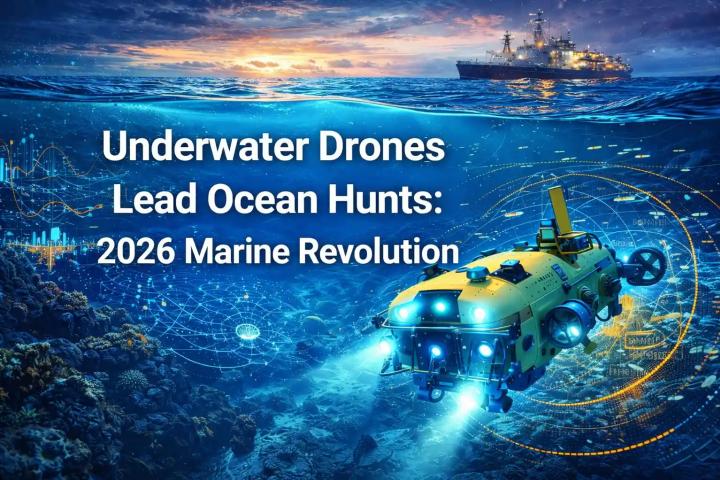
10. Deep-Sea Ecosystem Exploration
Research deep-ocean environments using publicly available datasets.
Building Strong Research Skills
These projects help students learn data analysis, visualization, scientific writing, and critical thinking.
Explore ocean datasets, research tools, and learning resources at 👉 https://www.oceanography.com/