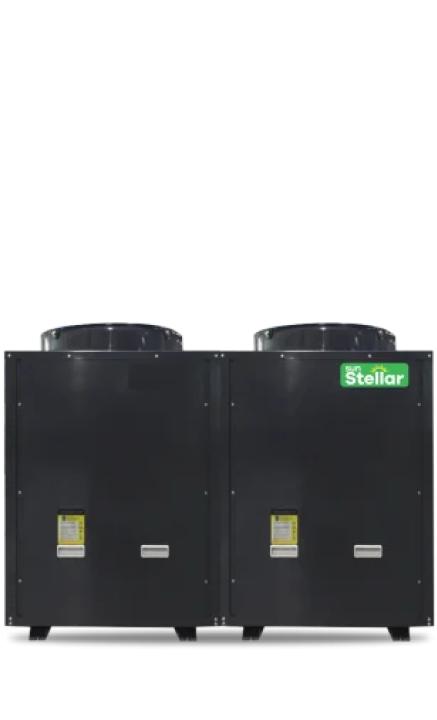
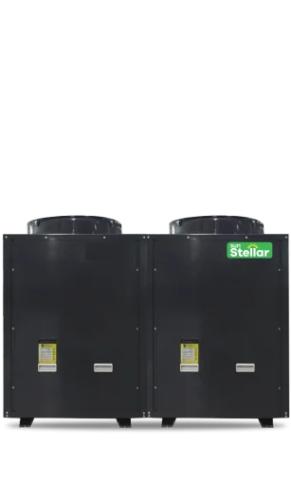
Efficient energy solutions are no longer a mere cost-saving tool in the hospitality industry today, but a competitive edge. Hotels all over the world are aggressively investing in technologies that make operations cost effective, sustainable, and provide comfort to the guests. One of the most significant innovations that is likely to gain momentum in 2026 is the heat pump water heater, which is a morden way managing water requirements in hotels.
The Growing Need for Smarter Water Heating in Hotels
Hot water is something that is not negotiable in the hospitality industry. Hot water is used on a regular and constant basis in guest bathrooms, commercial kitchens, laundry facilities, spas, and pools. Conventional electric and gas-powered water heaters are usually unable to cope with these requirements effectively, which results in high energy costs and carbon emissions.
The heat pump technology does not operate the same way. It does not produce heat directly but rather absorbs heat from the surrounding air and moves it to the water. This is much less energy-consuming, and heat pumps are one of the most efficient solutions for heating water that can be used commercially.
Key Reasons Hotels Are Switching to Heat Pumps
1. Exceptional Energy Efficiency and Cost Reduction
Hotels incur one of the most significant operational costs in energy consumption, and water heating takes up a significant percentage of this spending. Heat pumps are made to operate with significant output and low electricity consumption, and many operate at three to five units of heat energy to every unit of power consumed.
The efficiency is capable of saving up to 60-70 percent of energy used in water heating when compared to traditional systems. Although the initial cost of the installation might be expensive, the savings gained from utility bills enable the hotels to pay back their investment within a short period of time, thus making heat pumps a financially viable choice.
2. Reliable Performance for High-Demand Environments
Hotels also have an inconsistent demand for hot water with sharp peaks in mornings, evenings, and peak tourist seasons. The current commercial heat pump water heater systems are designed to manage these loads effectively. They are scalable and can be configured to serve whole properties without performance being affected.
Also, the number of mechanical parts that heat pumps contain is lower in comparison with traditional boilers; therefore, maintenance is lower, and the system has a longer life. Fewer shutdowns result in smoother hotel operations and satisfied guests.
3. Sustainability and Reduced Carbon Footprint
Sustainability has turned out to be a branding attribute and a guest choice in hotels. Green travelers are now more willing to reserve in hotels that have a responsible consumption of energy.
The heat pumps contribute a lot in cutting down the emission of greenhouse gases because they use less power and also because they rely less on fossil fuels. With this technology, hotels will be able to achieve green building principles and contribute to the ESG objectives, and enhance their image as environmentally friendly hotels.
4. Hybrid Systems for Maximum Efficiency and Backup
A hybrid water heater setup, which consists of a heat pump and a traditional heating system, is very popular with many hotels. This setup is such that the heat pump utilizes daily water heating effectively, and only when the demand is high, the backup system will be used.
This method guarantees that the supply of hot water will not be disrupted and the energy efficiency will be at the highest possible level. Hybrid systems are particularly useful in large hotels in which demand fluctuates by the day and year.
Practical Considerations Before Installation
Hotels that may want to shift to the use of a heat pump to warm up water should bear in mind some factors:
- Correct sizing of the system, depending on the number of rooms and maximum usage.
- Space and ventilation of heat pump units are adequate.
- Connection with already existing plumbing and energy systems.
- Possible combination with green power such as solar power.
When expertly installed and carefully planned, heat pump systems can easily work into new developments of hotels and even retrofit projects.
Summary: Hotel Water Heating into the Future
With the shift of the hotels towards smarter and greener operation, there is no denying that investing in a Heat Pump System can be considered not an option but a strategic necessity. Having a higher level of efficiency, cost savings in the long run, environmental benefits, and consistent performance, heat pump technology will become the norm in hotel water heating in the year 2026 and beyond.
Heat pumps provide the ideal combination of innovative and dependability to hotels that are interested in future-proofing their operations, improving their customer satisfaction levels, and staying ahead in an overcrowded market.