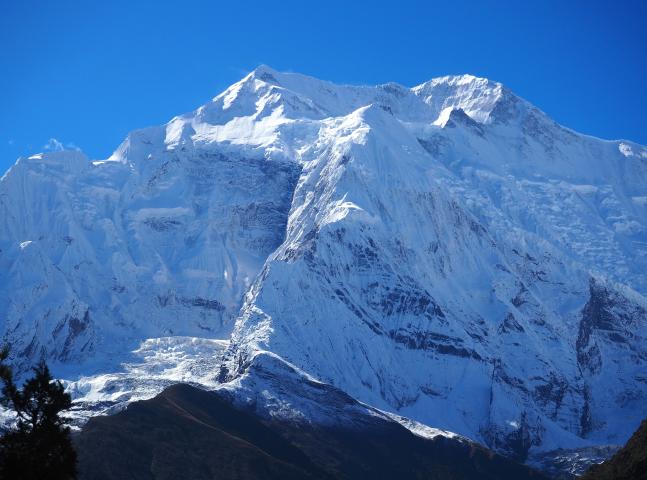
The cold wind brushed my face as the first light touched the snowy peaks. My heart beat fast, not from fear, but from wonder. Ahead stood pisang peak, tall and proud, calling me higher. In that quiet moment, I felt small, brave, and alive all at once. This climb was not just about reaching the top. It was about finding strength inside myself and stepping into a dream shaped by ice, rock, and sky.
A Mountain That Sparks Big Dreams
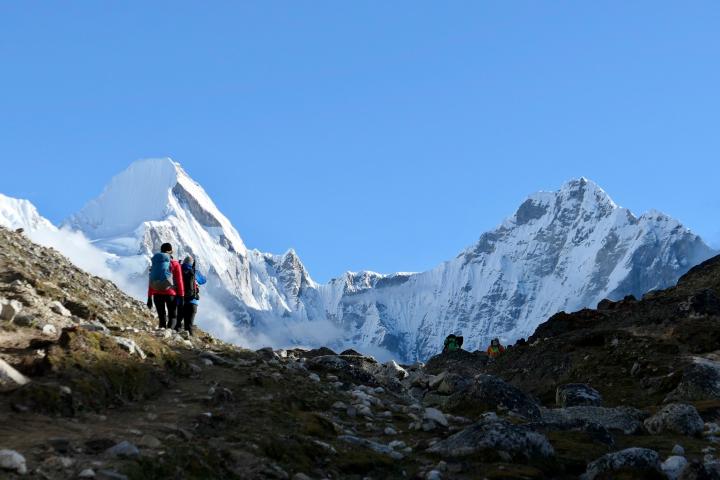
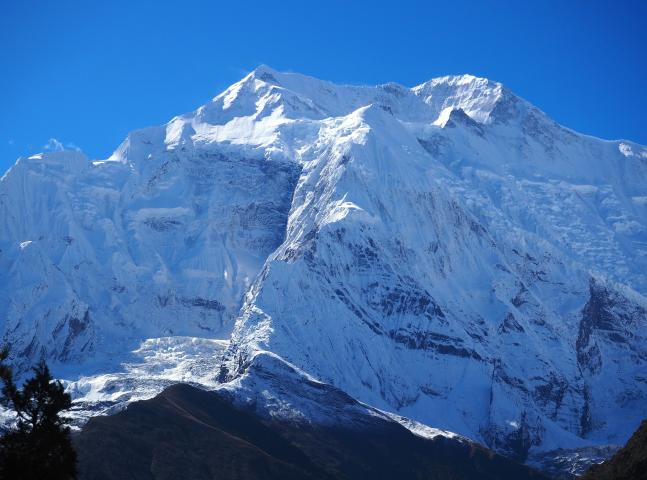
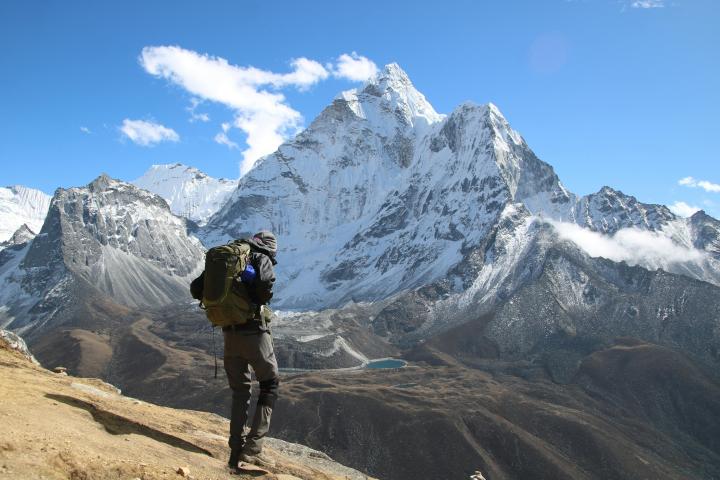
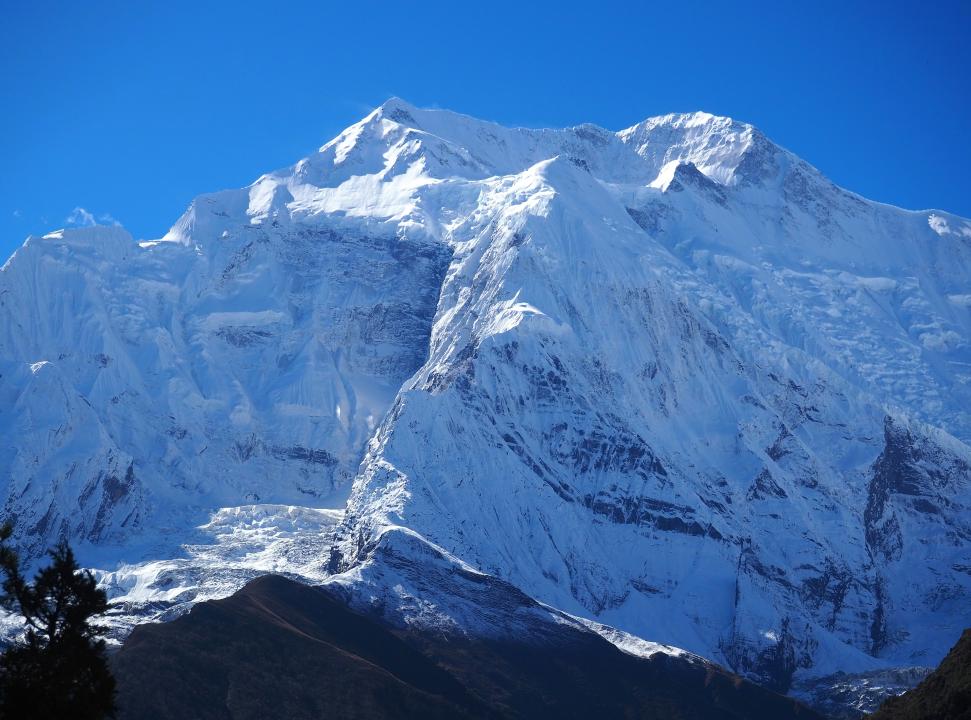
Pisang Peak rises in the Annapurna region of Nepal, near the famous Annapurna Circuit trail. It stands like a shining pyramid of snow and rock, watched over by giant neighbors such as Annapurna II, III, IV, and Gangapurna.
Many trekkers pass through this valley, but only a few choose to climb Pisang Peak. Those who do find a perfect mix of adventure, beauty, and challenge. The mountain offers safe routes, clear paths, and stunning views, making it a great choice for beginner climbers who want to try their first Himalayan summit.
From the start, the journey fills your heart with excitement. Every step brings new sights, new sounds, and new hopes.
The Journey Begins: Villages, Trails, and Smiles
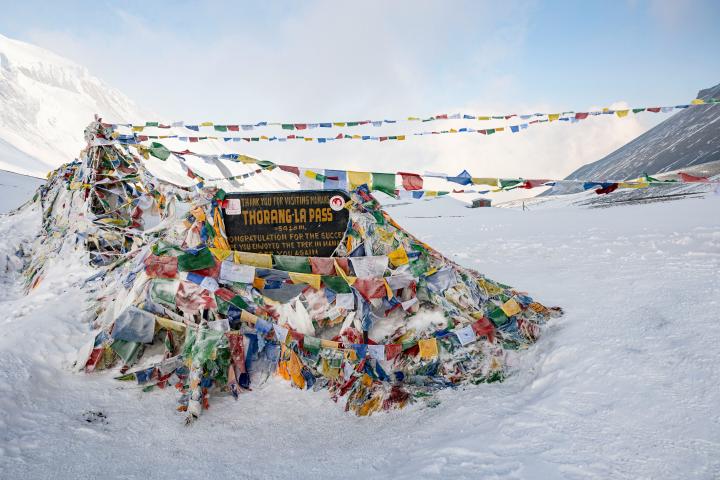
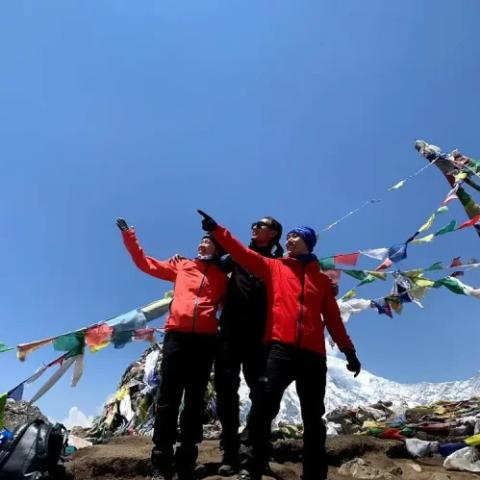
The trip begins in the busy city of Kathmandu, then moves toward the peaceful trails of the Annapurna region. You walk through stone villages, green fields, and thick forests. Prayer flags dance in the wind, and spinning prayer wheels whisper ancient hopes.
Local people welcome you with warm smiles and simple food. Their kindness adds comfort to the long days of walking. Each night, you rest in small teahouses, wrapped in thick blankets, listening to the wind outside.
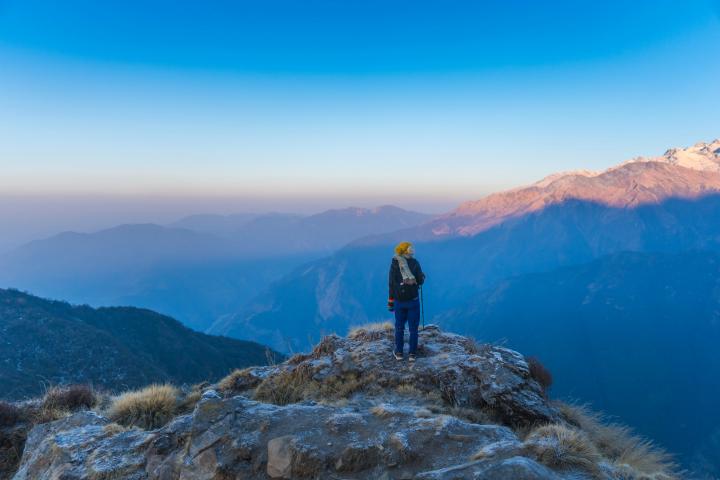
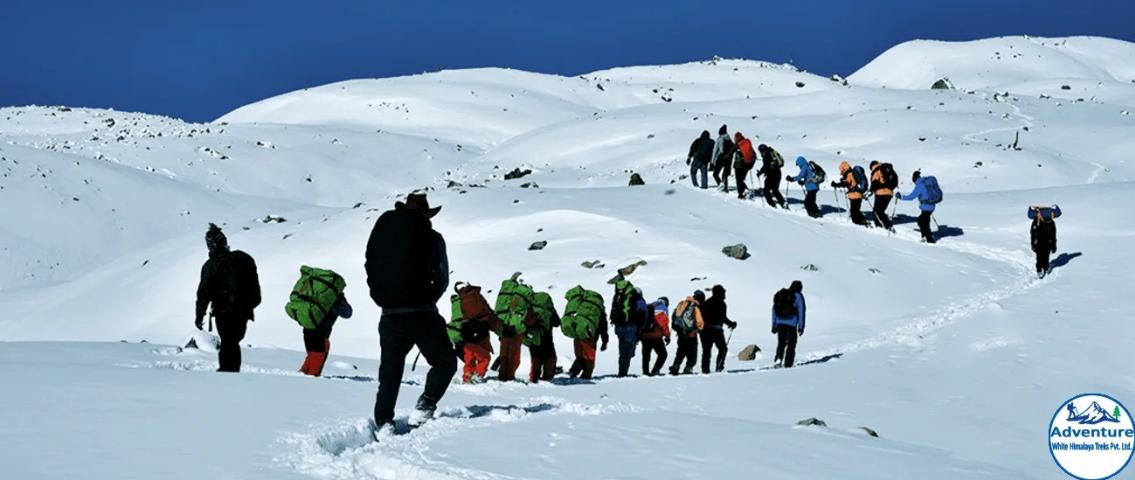
As you climb higher, the air becomes thin and clear. The sky seems closer. Mountains rise on every side, reminding you that you are entering a world shaped by nature’s power.
Trek and Climb Facts You Should Know
Before setting out, it helps to know some basic facts about the Pisang Peak climb:
Average Trek Length: 16 to 20 days
Total Distance: About 130 to 150 kilometers
Maximum Elevation: 6,091 meters (19,983 feet) at the summit of Pisang Peak
These numbers show that the journey is long but rewarding. It includes many days of trekking, rest days for safety, and a final push to the summit.
Learning the Skills of the Mountains
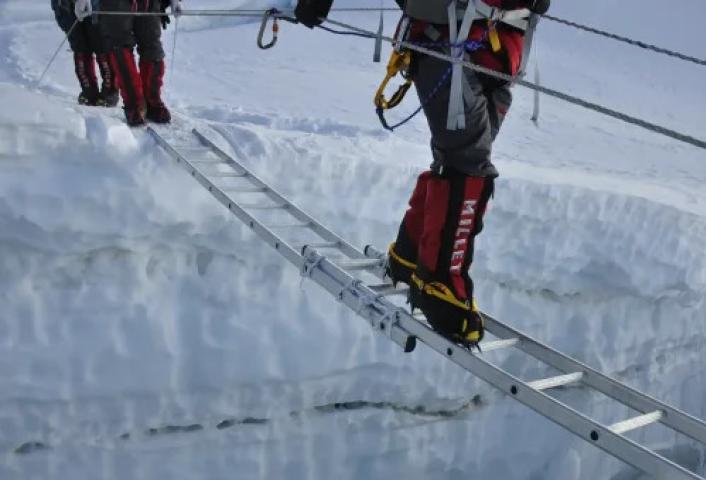
Before the summit day, climbers spend time at base camp learning key skills. Guides teach how to use ropes, harnesses, ice axes, and crampons. They show how to walk safely on snow and ice.
These lessons build confidence. Even beginners soon feel ready to face the mountain. The goal is not speed, but safety and teamwork. Everyone helps each other, sharing strength and support.
This time also helps your body adjust to high altitude, making the climb safer and more enjoyable.
The Night Before the Summit
The night before the climb is quiet and full of thought. You lie in your sleeping bag, listening to the wind brush the tent. Stars shine bright in the dark sky, closer than ever before.
Sleep comes slowly. Your mind fills with hopes, fears, and dreams. You picture the summit, the wide views, and the long path back down. You remind yourself to stay calm and steady.
Then, before dawn, it is time to rise.
Summit Day: A Test of Will and Heart
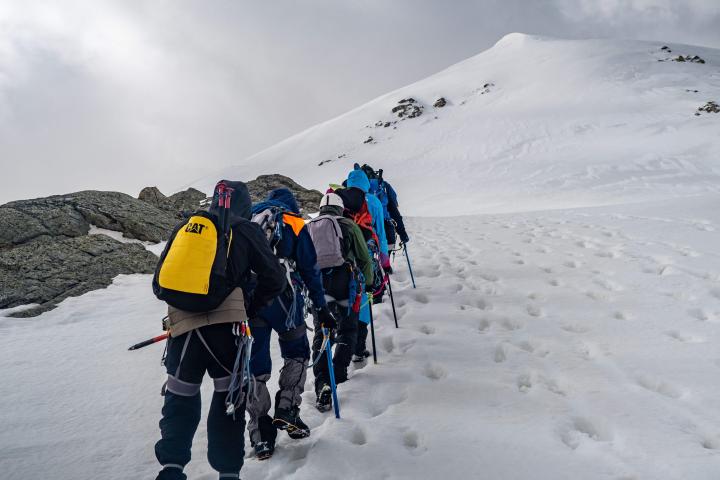
Climbing begins in deep darkness. Headlamps glow as small lines of light on the snow. Each step feels slow. The cold bites, and the air feels thin.
But as the sky slowly turns blue, strength returns. The sun touches the peaks, and the world glows gold. You move higher, step by careful step.
When you finally reach the summit, joy floods your heart. Below you stretch endless ranges of white and stone. Peaks rise and fall like frozen waves.
In that moment, all the hard days, cold nights, and tired legs feel worth it.
Views That Steal Your Breath
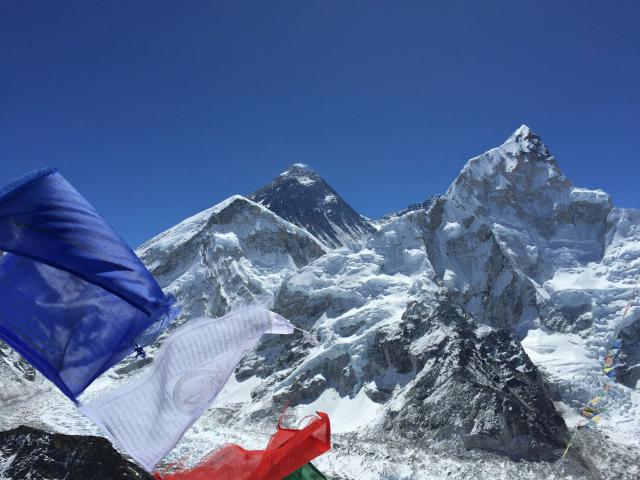
From the top of Pisang Peak, you can see Annapurna II, III, and IV, Gangapurna, Tilicho Peak, and many more. The view feels endless.
Clouds drift far below. The world seems quiet and still. You feel free, strong, and deeply thankful.
Many climbers say this moment changes them. It teaches patience, courage, and respect for nature.
The Way Down and the Joy of Return
After celebrating at the top, it is time to descend. Going down requires focus and care. The mountain demands respect until the very end.
Back at base camp, cheers and hugs fill the air. Warm drinks and hot meals taste better than ever. Stories are shared, and laughter returns.
As you trek back through villages and forests, you carry the memory of the summit in your heart.
Best Time to Climb Pisang Peak
The best seasons for climbing are spring (March to May) and autumn (September to November).
In spring, the weather is mild, and flowers bloom along the trail. In autumn, skies stay clear, and views remain sharp.
Winter brings heavy snow and cold, while summer brings rain and slippery paths. Choosing the right season keeps the journey safe and enjoyable.
Who Can Climb Pisang Peak?
Pisang Peak is ideal for trekkers with good fitness and a strong desire to learn. You do not need advanced climbing experience, but you should be comfortable with long walks and basic training.
A positive mindset, patience, and teamwork matter most. With the support of skilled guides, many first-time climbers reach the summit safely.
Why Pisang Peak Is Truly Inspiring
Pisang Peak is not just a mountain. It is a teacher. It shows you the power of slow steps, steady breath, and brave choices.
On this climb, you learn to trust yourself, respect nature, and value every small success. You return home stronger, calmer, and more thankful.
If you seek a journey that challenges your body and lifts your spirit, Pisang Peak is waiting.
Final Thoughts: Your Mountain Story Awaits
High above the world, among snow and sky, lies a chance to change your story. The climb to Pisang Peak offers adventure, beauty, and deep personal growth.
Take the step. Face the challenge. Feel the power of the mountains. Let Pisang Peak guide you to new heights—inside and out.