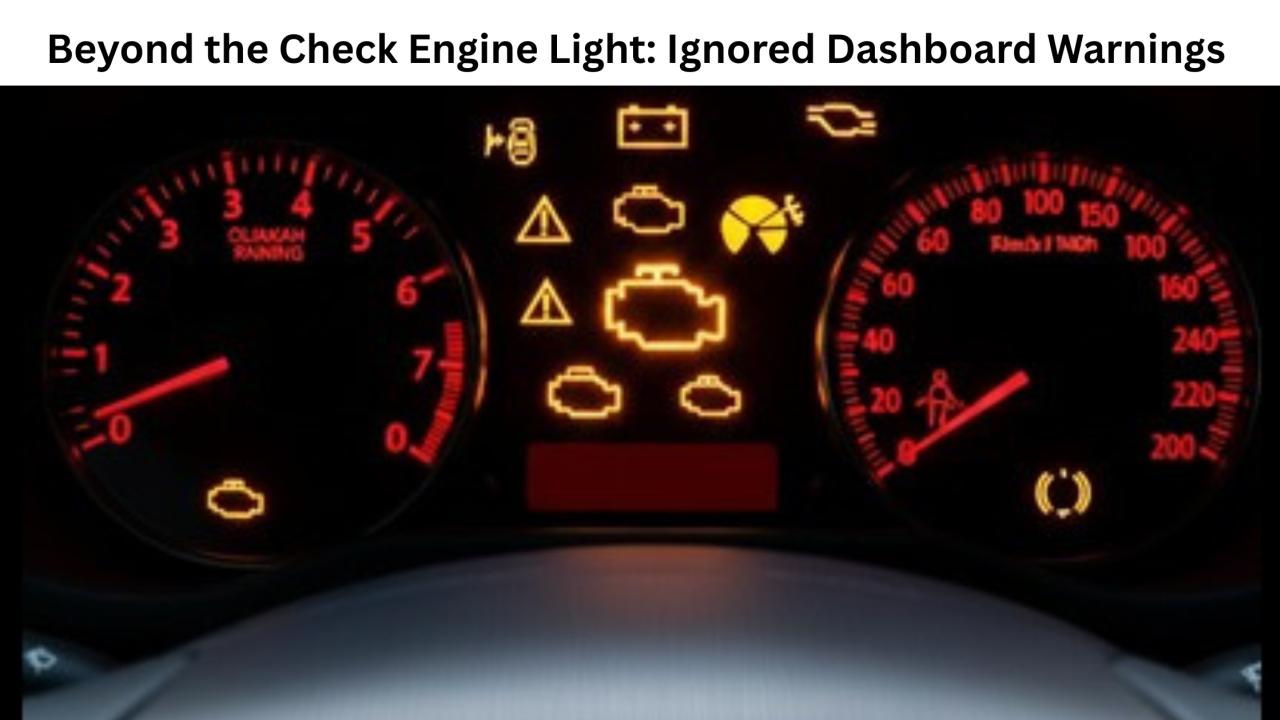
Those warning lights on the dashboard are a way of communicating with the driver. Each warning light illuminates to show that the system functions properly on startup. If a light is on or comes on during driving, it warns the driver that something requires their attention. For example, the TPMS light shows that there is an issue with tire pressure.
In this post, we are going to look at what car dashboard indicators are, what they mean, and how to address the issues.
What Your Dashboard Lights Mean
Dashboard alerts are designed to show that a serious problem requires your immediate attention. These include battery alerts, engine alerts, brake alerts, etc. Ignoring these alerts can lead to breakdowns, costly repair bills, and accidents. Therefore, it is extremely important to understand the function behind the warning signals and lights.
Most dashboard lights are designed with a universal color scheme.
- Red light indicates a serious problem that requires immediate attention.
- Yellow lights are a warning that is not urgent but must be addressed
- Blue and Green dashboard lights are active system indicators.
We will explore some common alerts, what they mean, and what action you should take when they activate.
1. Check Engine Warning
The check engine light is a common dashboard warning. It usually looks like a small engine icon or displays the words “Check Engine.” This light can turn on for many reasons, ranging from minor issues such as a loose gas cap to more serious problems involving sensors or ignition components.
If the car still feels normal while driving, there’s no need to panic, but it shouldn’t be ignored.
First, tighten the gas cap. If the light stays on or starts flashing, have the vehicle inspected to avoid costly repairs.
2. Battery System Alert
The red battery indicator light means the battery is discharging due to the faulty charging system, a weak battery, a failing alternator, or a loose or broken wire. If the light is observed, check the car to prevent being stranded.
If the warning light is on, the electrical load should be reduced. Turn the radio, air conditioning, and seat warmers off.
Keeping the battery and charging system in good condition is essential, as this system failing can cause a dead battery, and will result in prolonged and expensive repairs.
3 Low Oil Pressure Alert
The red oil can symbolize that there is a problem due to the engine receiving insufficient oil. Insufficient oil can be due to a low oil level, an oil leak, or a weak oil pump.
Check the oil level immediately and add oil if the level is low. If the light is on after the oil level is corrected, professional assistance should be sought immediately.
4. Brake Safety Alert
This warning is a circle with an exclamation mark inside, and it represents a problem with the braking system (the parking brake is on, there is low fluid, or some components are worn out).
For your safety, always check your vehicle’s warning lights and get them fixed, as the warning lights may indicate problems that could diminish your vehicle’s stopping power or increase safety hazards.
5. Low Tire Pressure (TPMS)
The Tire Pressure Monitoring System (TPMS) warning light and symbol is a tire with an exclamation mark, and the tire could be under-inflated due to a slow leak or a malfunctioning tire pressure monitoring sensor.
Make sure to check your vehicle’s tire pressure and inflate your tires to the manufacturer’s recommended pressure (PSI) to ensure low tire pressure does not impact your vehicle’s safety and handling.
However, if you still have the warning light on your dashboard, you should take your vehicle to a professional to have the TPMS sensor repaired.
6. ABS System Alert
The warning light is the ABS wheel icon, and the ABS system is meant to prevent the wheels from locking during emergency braking. If the ABS warning light is on, that means there is an issue with the ABS, and you could have no ABS assistance during braking on icy or wet roads, which could be dangerous. It's a good idea to check your brakes soon to help ensure your vehicle operates safely.
7. Engine Overheating Warning
The wavy-line thermometer indicates coolant temperature. This indicates your engine is overheating. A malfunctioning water pump, insufficient engine coolant, or other issues with the radiator cooling system could cause this.
If your engine is hot, is it important to let it cool before checking the coolant level? Also, do not attempt to open the radiator cap when the engine is hot.
If the warning light is still illuminated, it indicates serious problems that can cause significant engine damage and even engine shutdown.
8. Airbag System Alert
The airbag light tells you there's a problem with the vehicle's airbag system. It is normal for the light to come on when you turn the ignition, but it is not normal for the light to remain on while the vehicle is in motion. If the light is on while driving, likely that the airbags will not inflate in a collision.
Because airbags are so important to the system, schedule an appointment to have it checked.
9. Traction Control Alert
This light, a car with wavy lines, indicates that traction may be affected by slippery roads during rain, snow, or sudden acceleration, so the alert tells you to maintain control on the roads.
If the light remains lit while you’re driving on normal, dry roads, it might mean a sensor or system isn’t working properly. It’s a good idea to have it checked so your car stays safe.
10. Active System Indicators
Green and blue dashboard lights are informational, not warning signs. They let you know certain features are turned on, such as high beams, cruise control, or turn signals. No action is needed unless a feature is active by mistake, like high beams on in traffic. These lights are normal and help drivers stay aware of what systems are in use.
11. Lamp Out Alert
This dashboard light is less serious, but it still matters. It means one of your exterior lights isn’t working, such as a headlight, taillight, or brake light. The icon usually resembles a small light bulb or a headlight symbol, depending on the manufacturer. While not immediately critical, it should be fixed promptly to ensure safe visibility and compliance with traffic laws.
12. Washer Fluid, Door Ajar, and Fuel Level Alerts
Our basic alerts cover things every driver should know. A windshield washer icon indicates that you are low on washer fluid. A car icon with an open door indicates that one or more doors are ajar, and a fuel pump icon indicates that you are low on fuel, with an arrow indicating which side the fuel tank is on. These quick checks provide a stress-free driving experience.
13. Seatbelt and Headlight Indicators
The seatbelt and headlight lights are purely informational and serve safety purposes. If the seatbelt light is on, it means you have to buckle your seatbelt. If the seatbelt light is on after you have buckled, then your system may need to be repaired. If the headlight icon is on, the exterior lights are on; if it's off, the lights are off.
Stay Ahead of Dashboard Alerts
Taking care of your safety while driving is of utmost importance. Car dashboards provide alerts for a reason and are not intended to confuse. Every symbol indicates a certain problem that requires your attention.
Being able to identify alerts and understand what they mean helps you prevent major issues from worsening, make better driving decisions, and ensure you get and stay safe. Regular car maintenance ensures that everything is working properly.