The Rise of AI in Education
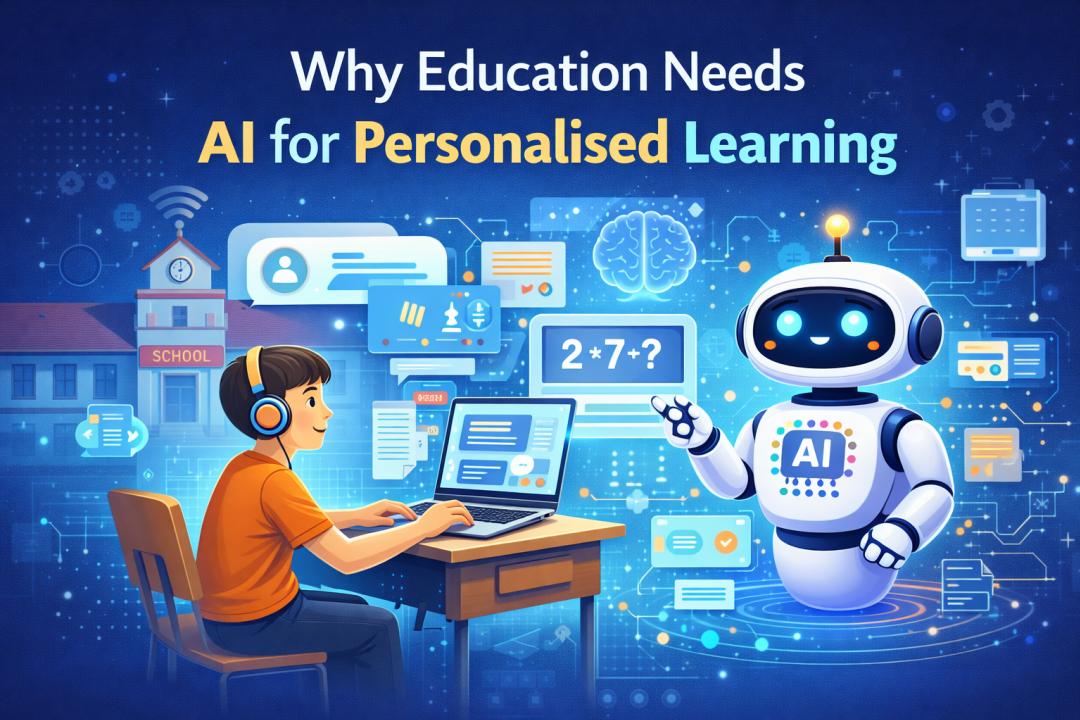
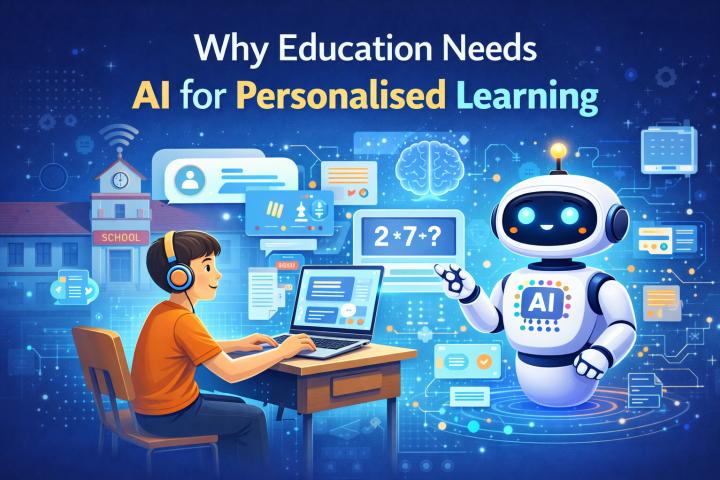
Artificial Intelligence is no longer a futuristic concept; it is actively shaping the present of education. From adaptive learning platforms to intelligent tutoring systems, AI enables a level of personalisation that was previously impossible. AI for education services allows learning programs to analyse student performance in real-time and understand individual learning.
Schools and universities increasingly rely on AI-powered platforms to provide personalised recommendations for students, track their progress, and even predict learning outcomes. By analysing data from assignments, quizzes, and classroom participation, AI can identify areas where students struggle and suggest targeted interventions. This data-driven approach empowers educators to focus on mentoring rather than administrative tasks, creating a more dynamic and supportive learning environment.
Benefits of Personalised Learning
Personalised learning powered by AI offers numerous advantages for students and educators alike:
Tailored Learning Paths: AI algorithms can design customised learning paths based on individual strengths, weaknesses, and interests, helping students master concepts at their own pace.
Immediate Feedback: AI-driven systems provide instant feedback on assignments and assessments, allowing students to correct mistakes and reinforce learning without delay.
Enhanced Engagement: Personalised content keeps learners engaged, reducing boredom and frustration, and motivating them to pursue knowledge actively.
Scalability: AI allows educational institutions to provide personalised learning experiences to thousands of students simultaneously, something traditional methods cannot achieve efficiently.
Teacher Empowerment: By automating grading and administrative tasks, AI frees up educators to focus on creative teaching and one-on-one mentoring.
AI Beyond Education: Lessons from Other Sectors
The potential of AI is not limited to education. For instance, AI for banking services has revolutionised how financial institutions operate. From fraud detection to customer service chatbots, AI automates repetitive tasks, improves decision-making, and enhances personalisation for clients. The success of AI in banking demonstrates its ability to handle complex, data-driven challenges, an approach that translates seamlessly to education.
Just as banks use AI to predict customer needs and provide tailored solutions, educational platforms can anticipate students’ learning requirements and provide content that addresses gaps before they become obstacles. By observing patterns and making data-informed recommendations, AI creates a proactive learning environment rather than a reactive one.
Choosing the Right AI Partner
Implementing AI in education requires expertise, robust technology, and ethical considerations. Partnering with the best AI development company ensures that educational institutions can leverage cutting-edge solutions without compromising on quality or security. A competent AI partner can help design adaptive learning platforms, integrate intelligent analytics, and ensure compliance with data privacy regulations.
Furthermore, a strong AI development company understands that AI in education must be inclusive, equitable, and transparent. Algorithms must be designed to avoid bias and promote accessibility, ensuring that all students benefit from personalised learning, regardless of their background.
The Future of Education with AI
As technology advances, the role of AI in education will continue to grow. Emerging innovations such as natural language processing, augmented reality, and predictive analytics promise to make learning even more interactive and personalised. Students could soon engage with AI tutors that understand not just academic strengths but emotional and cognitive patterns, providing holistic support for development.
Moreover, AI will empower lifelong learning. In a world where skills and knowledge rapidly evolve, AI-driven platforms can continuously adapt content, helping learners of all ages stay relevant in their careers and personal growth.
Conclusion
The integration of AI into education is no longer optional; it is essential. By enabling personalised learning, AI transforms classrooms into dynamic, student-centred environments that nurture individual potential. Lessons from AI for banking services illustrate its power to enhance efficiency, personalisation, and predictive capabilities, showing that intelligent technology can succeed across industries.
For institutions ready to embrace this revolution, collaborating with the best AI development company ensures that the technology is implemented effectively, ethically, and sustainably. The future of education lies in AI-powered personalised learning where every student’s journey is unique, meaningful, and successful.