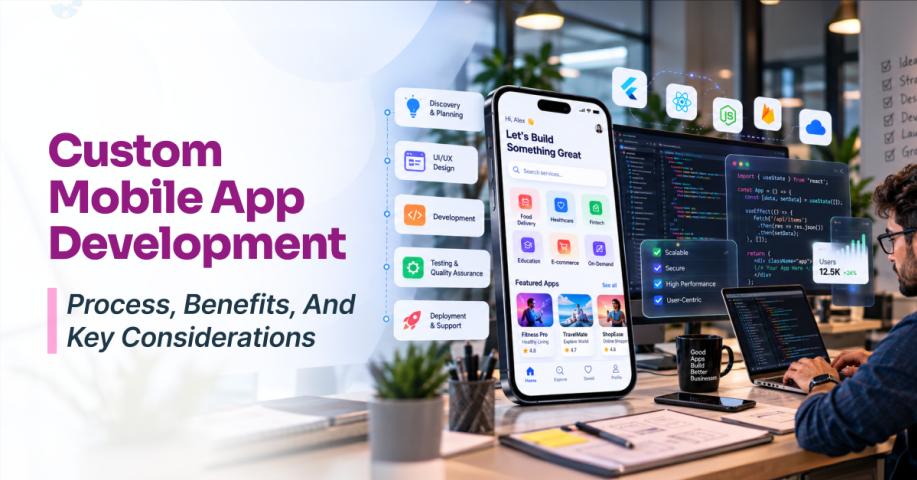

UPI app development services focus on creating mobile applications that allow users to transfer money instantly through the Unified Payments Interface (UPI). A UPI payment app connects a bank account to a mobile device and enables fast digital transactions through a UPI ID, phone number, or QR code. Businesses and fintech platforms build these apps to support digital payments, merchant transactions, and peer-to-peer transfers. This guide explains the working model of UPI apps, important features, the development process, and key elements involved in building a secure payment platform.
What Are UPI App Development Services?
UPI app development services refer to the creation of mobile applications that support real-time digital payments using the UPI infrastructure managed by the National Payments Corporation of India. These services include mobile app design, payment gateway integration, banking API connection, and security implementation.
A UPI app allows users to send and receive money from their bank accounts without entering long account numbers every time. The payment system uses a simple identifier called a UPI ID, which acts as a virtual payment address. Users can transfer money, pay merchants, request payments, and manage their bank accounts through a single application.
Well-known digital payment apps like Google Pay, PhonePe, and Paytm demonstrate how widely UPI technology is used across India. Businesses that invest in UPI app development aim to offer a smooth digital payment experience for both consumers and merchants.
UPI development services cover both the front-end user interface and the backend systems that process transactions through banking networks.
How Does a UPI Payment App Work?
A UPI payment app acts as a bridge between a user’s bank account and the UPI payment network. The application sends payment instructions through secure APIs connected to the banking system.
The process begins when a user installs the payment app and registers using their mobile number. The mobile number must match the number registered with the bank account. Once verification is complete through an OTP, the user selects a bank account from the list of supported banks.
After linking the bank account, the app generates a UPI ID and asks the user to create a UPI PIN. This PIN works as a security layer during every transaction. When a user sends money, the payment request goes through the UPI network and reaches the recipient’s bank within seconds.
The transaction flow involves several participants including the user’s bank, the recipient’s bank, and the UPI system managed by the National Payments Corporation of India. This structure allows real-time bank transfers without requiring card numbers or IFSC codes during every payment.
Key Features of a UPI Payment App
A UPI payment application must include several functional features that allow users to complete transactions easily and safely. These features help create a user-friendly digital payment environment.
User Registration and Bank Linking
User onboarding begins with mobile number verification. After verifying the number through an OTP, the app displays a list of banks that support UPI services. The user selects their bank and the app automatically retrieves the account details linked to the mobile number.
Once the bank account is connected, the system generates a unique UPI ID for the user. This ID works as a virtual payment address that other users can use to send money.
Secure Login and Authentication
Security plays a major role in payment apps. Authentication methods help protect financial information and prevent unauthorized access.
Most UPI apps include login security features such as OTP verification, device registration, and biometric authentication like fingerprint or face recognition. During payments, the user must enter a UPI PIN that confirms the transaction.
Instant Money Transfer
One of the main benefits of UPI apps is real-time money transfer. Users can send funds directly from their bank account to another account within seconds.
Payments can be made using different options including UPI ID, mobile number, bank account details, or QR code. This flexibility makes the payment process faster and more convenient.
QR Code Payments
QR code scanning allows users to pay merchants without entering payment details manually. A merchant displays a QR code that contains payment information. The user scans the code through the mobile app and confirms the payment using a UPI PIN.
This feature is widely used in retail stores, restaurants, and online platforms.
Transaction History
A payment history section helps users track past transactions. The app stores records of successful payments, pending transfers, and declined requests.
This information helps users monitor spending activity and verify payment status whenever required.
Bill Payments and Recharge
Many UPI apps include options to pay utility bills, recharge mobile numbers, and pay subscription services. These features allow users to manage multiple payments within one application.
Payment Request Option
UPI apps allow users to request money from friends, family members, or customers. The sender receives a payment request notification and can approve or reject the request through the application.
UPI Payment App Development Company
A UPI payment app development company builds digital payment solutions for banks, fintech startups, and online businesses. These companies focus on creating applications that connect securely with the UPI network and support high transaction volumes.
Development teams work on several components during the creation of a payment application. The process includes user interface design, backend system setup, API integration, database management, and security implementation.
Mobile developers create applications for Android and iOS platforms so that users can access payment services from different devices. Backend engineers develop the transaction management systems that process payments and store user data securely.
Payment app development companies focus on reliability and security since financial applications require stable performance and strong protection for sensitive data.
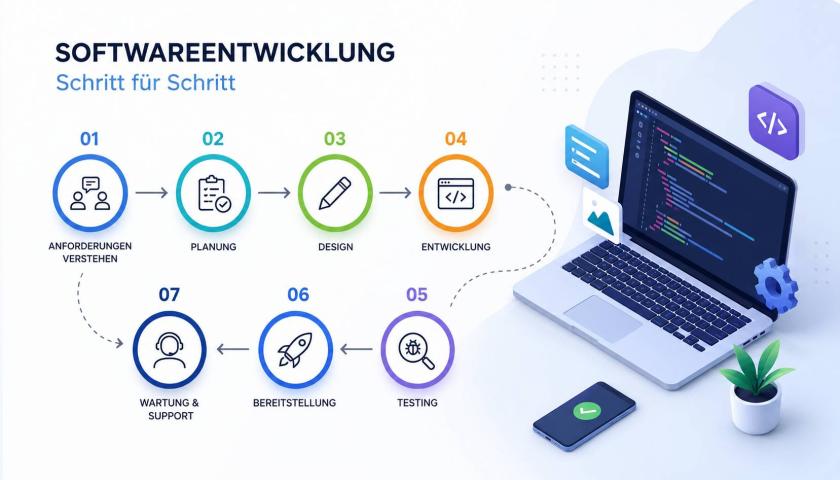
UPI App Development Process
The UPI app development process follows a structured approach that moves from planning to final app deployment. Each stage focuses on building a stable and secure digital payment platform.
Requirement Planning
Development begins with requirement planning. During this stage, the project team identifies the purpose of the application and the features that the app will include. Planning covers user types, payment features, supported banks, and platform compatibility.
The project plan helps developers understand how the application will function and how users will interact with the system.
UI and UX Design
User interface design focuses on creating mobile screens that are easy to understand. Payment apps must provide a simple layout so that users can send money without confusion.
Designers create screens for account registration, bank linking, QR scanning, payment confirmation, and transaction tracking. The design stage also focuses on accessibility and clear navigation within the application.
Backend Development
Backend development focuses on building the server systems that manage payment processing and user account data. These systems handle communication between the mobile app and banking APIs.
The backend infrastructure stores transaction records, verifies payment requests, and sends responses to the mobile application.
UPI API Integration
UPI apps connect with banking networks through APIs provided by banks and payment service providers. These APIs allow the application to send payment instructions, verify transactions, and retrieve account information.
Integration with the UPI network allows the app to process real-time payments through the infrastructure maintained by the National Payments Corporation of India.
Security Implementation
Security systems protect user data and financial information during transactions. Payment applications include encryption protocols, authentication layers, and fraud detection tools.
Security measures help prevent unauthorized transactions and protect sensitive payment information.
Testing and Quality Checks
Testing confirms that the application performs correctly in different scenarios. Developers test the payment flow, server performance, user authentication systems, and data protection features.
Quality testing includes load testing to verify how the application performs during high transaction activity.
App Launch
After successful testing, the mobile application is released on digital app stores such as the Google Play Store and the Apple App Store. Users can download the app and begin registering their bank accounts.
Features of a UPI Payment App
A modern digital payment platform includes several advanced features that improve the payment experience for both users and merchants.
Multi-Bank Account Support
Many users maintain accounts in different banks. UPI apps allow users to link multiple bank accounts within one application and choose the preferred account during payment.
Contact-Based Payments
Users can send money directly to people in their contact list if the contacts are linked with UPI IDs. This feature removes the need to type payment addresses manually.
QR Code Generation for Merchants
Merchants can generate their own QR codes through the payment application. Customers scan the code and complete the payment instantly. This feature helps small businesses accept digital payments without expensive hardware.
Payment Scheduling
Some payment apps support scheduled payments for recurring bills. Users can set reminders or automatic payments for services such as subscriptions or monthly bills.
Transaction Reports and Insights
Payment apps display reports that show transaction trends and spending patterns. These insights help users monitor financial activity within the application.
In-App Help and Support
A help section within the application allows users to report issues related to payments, login problems, or transaction failures.
Security Measures Used in UPI App Development
Security is one of the most important elements in digital payment applications. UPI apps manage financial transactions and must protect sensitive information such as bank account details and payment credentials.
Data Encryption
Encryption protects information that moves between the mobile application and the payment server. Encrypted communication prevents unauthorized parties from accessing payment data.
Two-Factor Authentication
Two-factor authentication adds another layer of protection. Users verify transactions through their mobile device and confirm payments using a UPI PIN.
Device Binding
Device binding connects the user account to a specific mobile device. If someone attempts to access the account from a different device, the system asks for additional verification.
Fraud Monitoring Systems
Payment platforms include monitoring systems that analyze transaction activity. If unusual behavior appears, the system can block or flag the transaction for review.
Types of UPI Apps Businesses Can Build
Businesses can create different types of UPI applications depending on their service goals and target users.
Peer-to-Peer Payment Apps
These apps allow individuals to transfer money between personal bank accounts. Payments are completed using UPI IDs, mobile numbers, or QR codes.
Merchant Payment Apps
Merchant payment apps focus on business transactions. Retail stores, restaurants, and online shops use these apps to accept payments from customers through QR codes or payment links.
Banking UPI Apps
Many banks develop their own UPI applications for account holders. These apps allow customers to manage banking transactions from their smartphones.
Wallet-Based Payment Apps
Some digital wallet apps include UPI payment features. Users can transfer money directly from their bank accounts or through wallet balances.
How to Build a UPI Payment App
Businesses planning to build a payment platform need to follow several technical and operational steps. The development process includes planning, technology selection, and integration with banking networks.
The project begins with choosing the platform where the application will operate. Many businesses launch apps on both Android and iOS to reach a wider user base.
After selecting the platform, the development team connects with a bank that supports UPI services. The bank acts as the payment service provider that connects the app to the UPI infrastructure.
Developers create the mobile interface that allows users to register accounts, link banks, scan QR codes, and transfer funds. The backend system handles payment verification and transaction records.
Security protocols are integrated to protect data and prevent unauthorized access. After testing payment flow and performance, the application becomes ready for release on mobile app stores.
UPI App Development for Fintech Startups
Fintech startups build UPI apps to provide digital payment services for individuals and businesses. These applications allow startups to offer instant money transfers, merchant payments, and digital transaction management.
UPI integration helps fintech platforms connect with the large digital payment network in India. Startups can support services such as peer payments, subscription billing, and online merchant transactions through a single mobile application.
Fintech companies that develop UPI apps focus on user-friendly interfaces and stable payment systems. Mobile payment apps must support fast transactions and provide reliable performance across many users.
Technology Stack Used in UPI App Development
UPI app development requires several technologies that support mobile interfaces, backend systems, and payment processing infrastructure.
Frontend development tools create the visual part of the application that users interact with. Developers use languages such as Kotlin for Android applications and Swift for iOS development. Cross-platform frameworks like Flutter allow developers to build apps that run on multiple platforms.
Backend systems process payment requests and manage communication with banking APIs. Technologies such as Node.js, Java, and Python support payment servers and transaction management systems.
Database systems store user information, bank account details, and payment history. Popular databases include MySQL, PostgreSQL, and MongoDB.
Payment APIs connect the mobile application with the UPI network and banking systems.
Compliance Requirements for UPI App Development
Digital payment applications must follow financial rules established by regulatory authorities. In India, digital payment systems operate under guidelines provided by the Reserve Bank of India and the National Payments Corporation of India.
These rules include identity verification, data protection policies, and payment security standards. Payment apps must support KYC verification to confirm the identity of users.
Regulatory compliance helps maintain a safe digital payment ecosystem and protects both users and financial institutions.
Benefits of Building a UPI Payment App
UPI payment apps provide advantages for businesses, fintech companies, and consumers. Digital payment platforms support instant bank transfers, which makes financial transactions faster than traditional payment methods.
Users prefer UPI apps because they allow payments through simple identifiers like mobile numbers or QR codes. Businesses benefit from digital payment acceptance without complex infrastructure.
Online merchants receive payments instantly through UPI transactions, which improves order processing and customer convenience.
Future Trends in UPI App Development
Digital payments continue to grow across India and many other regions. UPI app development continues to expand with new features and payment capabilities.
Voice-based payments may allow users to complete transactions through voice commands. Artificial intelligence tools may help detect suspicious activities and improve fraud prevention systems.
International payment support may allow UPI transactions between countries, which can simplify cross-border payments for travelers and businesses.
Integration with e-commerce platforms, subscription services, and digital platforms may expand the use of UPI payments in everyday online activities. Ready to Launch Your Own UPI App? Let’s Build It Together.