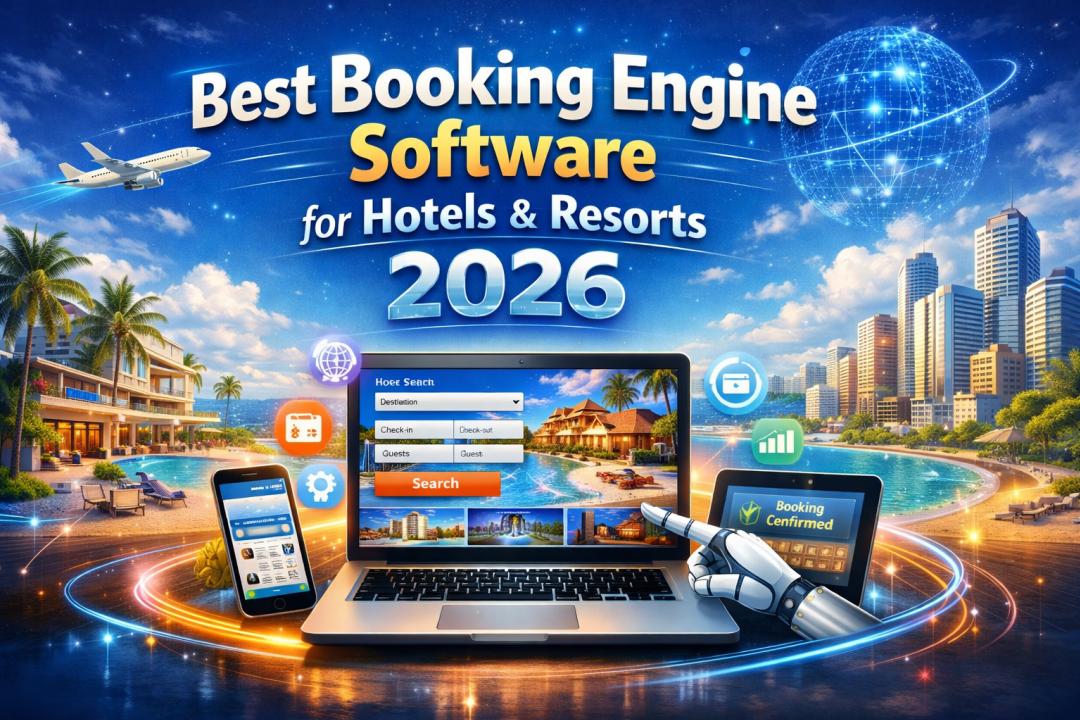
The hospitality industry is evolving rapidly, and hotels and resorts must keep pace with changing traveler expectations. In 2026, guests expect seamless digital experiences—from browsing rooms to confirming reservations in seconds. That’s why choosing the right booking engine software has become one of the most important technology decisions for hospitality businesses.
Whether you run a boutique hotel, a luxury resort, or a multi-property chain, your reservation technology directly impacts revenue, occupancy rates, and guest satisfaction. Modern platforms offer real-time availability, automated payments, mobile-friendly booking pages, and integration with marketing tools.
In competitive markets like the USA, hospitality brands are increasingly investing in advanced reservation technology to reduce reliance on third-party travel platforms and increase direct bookings. This guide explores the best solutions for hotels and resorts in 2026 and what features to prioritize when selecting the right system.
Why Hotels Need Modern Booking Technology in 2026
Guest behavior has changed dramatically in the last decade. Travelers expect speed, transparency, and personalization when making reservations.
A modern booking platform helps hotels:
Increase direct bookings through their website
Reduce OTA commission costs
Provide real-time room availability
Accept secure online payments
Automate confirmations and guest communication
Improve mobile booking experiences
Generate detailed analytics for revenue optimization
Instead of relying on manual reservations or outdated systems, hospitality businesses now rely on integrated technology that connects property management, payments, and customer communication in one ecosystem.
Key Features to Look for in a Hotel Booking Platform
Before choosing a system, hotels should evaluate several essential capabilities that define the best online booking system.
1. Real-Time Availability and Inventory Management
Guests expect instant confirmation when they reserve a room. A good system automatically updates availability across all channels, preventing overbookings and double reservations.
Real-time synchronization ensures that your website, travel platforms, and internal systems display the same availability.
2. Mobile-Optimized Booking Experience
More than 60% of travel bookings now happen on smartphones. A mobile-friendly interface ensures that guests can browse rooms, view photos, and complete reservations without friction.
Mobile optimization also improves SEO rankings and increases conversion rates.
3. Secure Payment Processing
Security is critical when handling online payments. The platform should support:
PCI-compliant payment gateways
Multiple currencies
Flexible payment options
Automated invoicing
These features help build guest trust while simplifying accounting.
4. Integration with Property Management Systems
A booking tool should seamlessly integrate with your Property Management System (PMS). This allows staff to manage reservations, housekeeping, guest profiles, and billing from one centralized platform.
Without this integration, hotel teams may face operational inefficiencies and manual data entry.
Top Booking Solutions for Hotels & Resorts in 2026
Several platforms have emerged as industry leaders due to their reliability, scalability, and advanced features. Below are some of the best solutions hospitality businesses are adopting this year.
1. Cloud-Based Reservation Platforms
Cloud-based systems dominate the hospitality technology landscape because they offer:
Automatic updates
Remote access
Easy scalability
Lower upfront infrastructure costs
These platforms are ideal for both independent hotels and large resort chains.
2. AI-Powered Reservation Systems
Artificial intelligence is transforming hotel technology by introducing smart automation.
AI-driven tools can:
Predict demand patterns
Recommend dynamic pricing
Personalize guest offers
Automize customer service via chatbots
Hotels using AI often see improved revenue management and higher conversion rates.
3. Multi-Channel Distribution Systems
Hotels today sell rooms across multiple channels including:
Direct website bookings
Online travel agencies (OTAs)
Travel agents
Corporate booking portals
A strong distribution system ensures consistent pricing and availability across all platforms.
Benefits of Integrated Technology for Resorts
Resorts often manage complex booking scenarios involving packages, activities, and add-ons. Advanced reservation platforms allow resorts to bundle services such as:
Spa appointments
Guided tours
Adventure activities
Transportation services
Many resort operators also integrate tour operator software to manage excursion scheduling and partner experiences directly within the reservation process.
This integration creates a seamless guest journey while increasing opportunities for upselling.
How Reservation Technology Boosts Direct Bookings
One of the biggest challenges hotels face is dependence on online travel agencies. While OTAs provide exposure, they often charge commissions between 15% and 30%.
Modern reservation platforms help hotels reclaim direct revenue through:
Website Booking Optimization
Hotels can embed their reservation system directly on their website, allowing guests to book without leaving the page.
This improves user experience and reduces drop-offs.
Personalized Offers
Advanced platforms allow hotels to create customized promotions such as:
Seasonal discounts
Loyalty rewards
Early-bird pricing
Long-stay packages
These offers encourage travelers to book directly instead of comparing multiple platforms.
Automated Marketing
Integrated marketing tools allow hotels to send automated emails, reminders, and promotions to previous guests.
These campaigns increase repeat bookings and build brand loyalty.
How Tour Experiences Connect with Hotel Reservations
Travelers increasingly seek complete experiences rather than just accommodation. As a result, hotels are partnering with local activity providers to offer curated experiences.
This is where tour operator software becomes valuable. When integrated with hotel systems, it allows properties to:
Offer excursions during the booking process
Schedule guided tours automatically
Manage third-party vendors efficiently
Track commissions and activity revenue
For resorts in destination locations, these integrations significantly increase ancillary revenue streams.
Choosing the Right System for Your Hotel
Selecting the right platform requires evaluating several business factors.
Property Size and Complexity
A small boutique hotel may require a simple system, while large resorts often need advanced tools with multiple integrations.
Customization and Branding
The booking interface should reflect your brand identity. Customizable themes, colors, and layouts create a more professional experience.
Scalability
If you plan to expand to additional properties or locations, your system must support multi-property management.
Analytics and Reporting
Data-driven insights help hotels make smarter decisions about pricing, occupancy forecasting, and marketing strategies.
A truly best online booking system provides dashboards that track reservations, revenue trends, customer behavior, and marketing performance
Emerging Hospitality Technology Trends for 2026
Several trends are shaping the future of hotel reservation systems.
AI Revenue Management
Artificial intelligence is helping hotels automatically adjust room prices based on demand, seasonality, and competitor rates.
Voice Search Booking
Voice assistants and smart speakers are becoming part of the travel booking process, enabling voice-driven reservations.
Contactless Guest Journeys
From mobile check-in to digital room keys, contactless technology continues to gain popularity among travelers.
Personalized Travel Experiences
Advanced guest data allows hotels to deliver highly tailored offers and recommendations during the booking journey.
Final Thoughts
As digital travel continues to evolve, hotels and resorts must invest in smarter reservation technology to stay competitive. A modern booking solution not only simplifies operations but also drives direct revenue, improves guest experiences, and reduces dependency on third-party platforms.
For hospitality businesses across the USA and global markets, selecting the right system can significantly influence occupancy rates, profitability, and long-term growth.
If you're planning to upgrade your hotel technology stack in 2026, now is the time to evaluate platforms that combine automation, analytics, and seamless guest experiences.
Ready to Upgrade Your Hotel Booking Experience?
If you're looking to implement a powerful reservation solution that increases direct bookings and streamlines operations, our hospitality technology experts can help.
Contact us today for a free consultation and discover how the right platform can transform your hotel or resort’s online booking performance. Let’s build a smarter reservation strategy that drives more revenue and better guest experiences.