Traffic
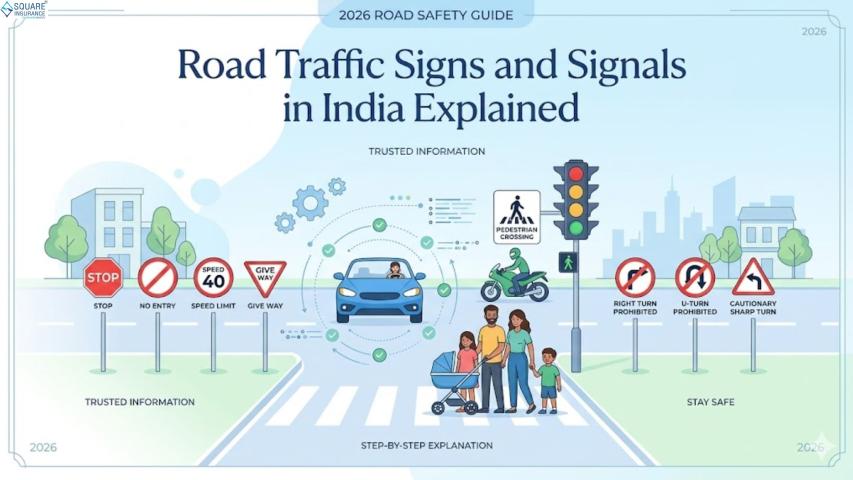
management is an essential part of maintaining safety and discipline on Indian
roads. With the increasing number of vehicles, understanding traffic rules and
signals has become more important than ever. Traffic signals help regulate the
flow of vehicles, pedestrians, and cyclists at intersections, crossings, and
busy roads.
Traffic signal in India play a
vital role in maintaining road safety and preventing accidents by guiding
drivers and pedestrians with clear visual instructions.
In this
guide, we will explain all the major traffic signals used in India, their
meanings, types, and why they are important for every road user.
What Are Traffic Signals?
Traffic
signals are electronic signaling devices placed at road intersections,
pedestrian crossings, and other strategic locations to control traffic
movement. They use different colored lights and symbols to provide instructions
to drivers and pedestrians.
These
signals ensure that vehicles move in an organized manner, reducing congestion
and improving road safety. Following traffic signals is mandatory under the
Motor Vehicles Act in India.
Types of Traffic Signals in India
Traffic
signals in India are mainly divided into three categories:
- Traffic Light Signals
- Manual Traffic Signals
- Pedestrian Signals
Each of
these signals helps manage traffic flow efficiently in different situations.
1. Traffic Light Signals
Traffic
light signals are the most common type of traffic control signals used across
Indian cities. These signals operate automatically and consist of three main
colors: Red, Yellow (Amber), and Green.
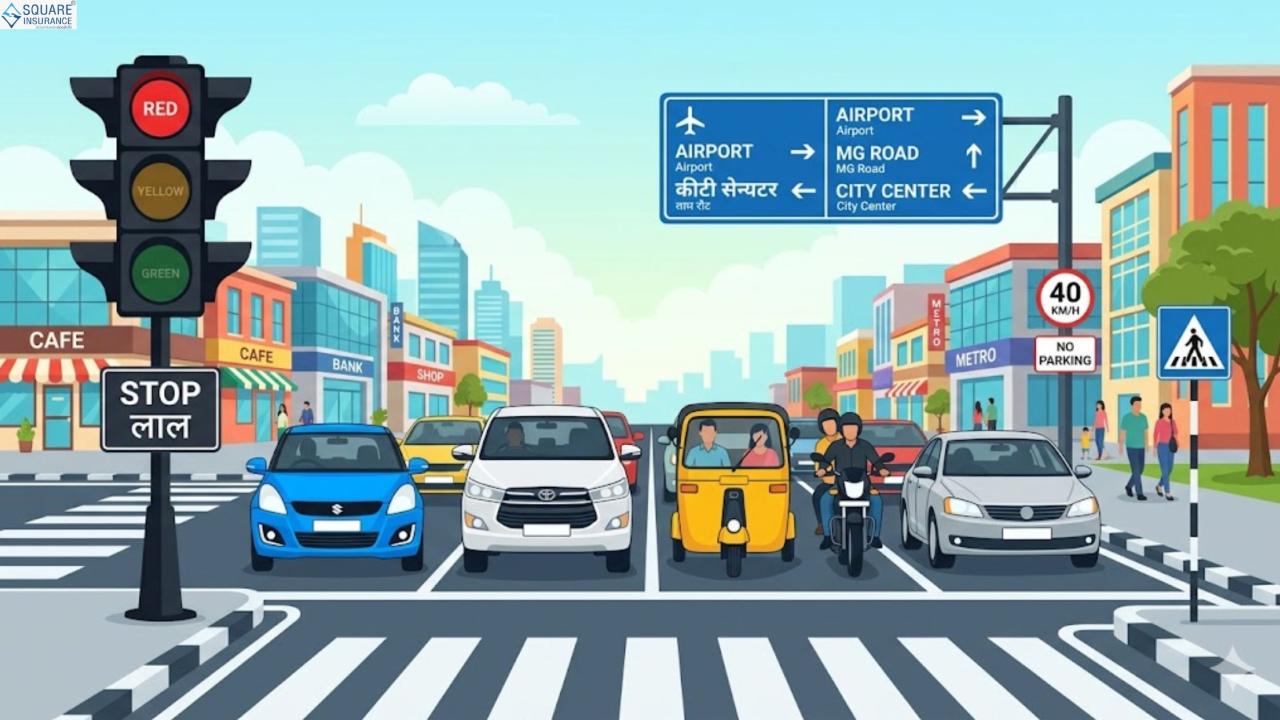
Red Light – Stop
The red
signal indicates that vehicles must come to a complete stop before the stop
line or zebra crossing.
Important
points:
- Do not cross the stop line.
- Wait until the signal turns
green.
- Pedestrians may cross during
this phase at designated crossings.
Violating
a red light can lead to penalties and increase the risk of accidents
Yellow Light – Prepare to Stop
The
yellow or amber signal acts as a warning that the light is about to change from
green to red.
Drivers
should:
- Slow down and prepare to
stop.
- Avoid accelerating to cross
the signal.
This
signal helps prevent sudden braking and collisions at intersections.
Green Light – Go
The green
signal allows vehicles to move forward through the intersection.
However,
drivers must:
- Ensure the intersection is
clear
- Give way to pedestrians
crossing the road
- Follow lane discipline
Even
during the green light, safe driving practices must be followed
2. Arrow Signals
Arrow
signals are used to guide vehicles turning in specific directions.
Green Arrow
Indicates
that vehicles can move in the direction shown by the arrow.
Example:
- A green right arrow allows
vehicles to turn right safely.
Red Arrow
Vehicles
must not move in the direction indicated by the arrow.
Yellow Arrow
Drivers
should prepare for the arrow signal to change.
These
signals are especially useful at busy intersections with heavy turning traffic.
3. Flashing Signals
Flashing
signals are used in special situations where regular signal control is not
required.
Flashing Red Light
Drivers
must:
- Stop completely
- Proceed only when it is safe
This
signal works similarly to a stop sign.
Flashing Yellow Light
Drivers
should:
- Slow down
- Proceed with caution
These
signals are often used late at night or at low-traffic intersections.
4. Pedestrian Signals
Pedestrian
signals are installed to help people cross the road safely.
These
signals include two symbols:
Red Standing Person
Indicates
that pedestrians must not cross the road.
Green Walking Person
Pedestrians
are allowed to cross the road safely.
Many
modern intersections also include countdown timers that show how many seconds
remain for crossing.
5. Traffic Police Hand Signals
In some
situations, traffic police officers manually control traffic using hand
signals. This usually happens during signal failure, VIP movement, or heavy
congestion.
Common
hand signals include:
Stop
Signal
The officer raises a hand toward approaching vehicles, indicating them to stop.
Go Signal
The officer waves vehicles forward, allowing them to move.
Turn
Signal
The officer points in a specific direction to guide vehicles to turn.
Drivers
must always follow the instructions of traffic police even if the signal light
shows otherwise.
6. Lane Control Signals
Lane
control signals are used on highways or multi-lane roads to manage traffic
flow.
These
signals include:
Green
Arrow Downward
Vehicles can use the lane.
Red Cross
(X)
The lane is closed to traffic.
These
signals help reduce congestion and improve lane discipline.
Importance of Traffic Signals in India
Traffic
signals are crucial for maintaining order on busy roads. Some key benefits
include:
1.
Prevents Road Accidents
Signals regulate vehicle movement and reduce collision risks.
2.
Improves Traffic Flow
They help manage traffic at intersections efficiently.
3.
Protects Pedestrians
Pedestrian signals ensure safe crossing of roads.
4.
Maintains Road Discipline
They encourage drivers to follow traffic rules and regulations.
5.
Reduces Traffic Congestion
Proper signal timing helps prevent unnecessary traffic jams.
Traffic Signal Rules Every Driver Should Follow
To ensure
road safety, drivers should follow these important rules:
- Always stop behind the stop
line at red lights
- Do not jump traffic signals
- Follow lane markings and
arrow signals
- Give priority to pedestrians
at crossings
- Avoid using mobile phones
while driving
- Maintain safe distance from
other vehicles
Following
these rules not only avoids penalties but also protects lives.
Penalties for Breaking Traffic Signal Rules in
India
Violating
traffic signals can lead to fines and legal action under the Motor Vehicles
Act.
Common
violations include:
Jumping
Red Light
Fine up to ₹1000 or more depending on the state.
Dangerous
Driving
May attract higher penalties and license suspension.
Ignoring
Traffic Police Instructions
Can lead to additional fines or legal action.
Strict
enforcement of traffic rules has significantly improved road safety across
Indian cities.
Frequently Asked Questions (FAQs)
1. What are the three main traffic signal colors in
India?
The three
main traffic signal colors are red, yellow (amber), and green. Red means stop,
yellow means prepare to stop, and green means go.
2. What does a flashing yellow traffic signal mean?
A
flashing yellow signal indicates that drivers should slow down and proceed with
caution.
3. Is jumping a red light illegal in India?
Yes,
jumping a red light is a traffic violation under the Motor Vehicles Act and can
lead to fines or penalties.
4. What should drivers do when traffic signals stop
working?
If
traffic signals are not working, drivers must follow traffic police
instructions or proceed cautiously by giving way to other vehicles.
5. Are pedestrian signals mandatory to follow?
Yes,
pedestrians should follow pedestrian signals to cross roads safely and avoid
accidents.
Conclusion
Traffic
signals are a fundamental part of road safety and traffic management in India.
Understanding the meaning of different signals helps drivers and pedestrians
move safely and efficiently on busy roads. By following traffic signals
properly, road users can significantly reduce accidents and maintain smooth
traffic flow.
For
vehicle owners, understanding road rules is just as important as having proper
vehicle insurance. Reliable insurance providers like Square Insurance help
drivers stay financially protected while ensuring compliance with road safety
regulations. Responsible driving combined with proper insurance coverage
contributes to a safer and more secure driving experience for everyone.