
Custom software development has become a key investment for Australian businesses looking to build tailored digital solutions that align with their unique operational needs. Unlike off-the-shelf software, custom solutions are designed specifically for a company’s workflows, scalability goals, and industry requirements.
Many organisations today partner with experienced custom software developers in Australia to build scalable digital products that support long-term growth. However, before starting a project, one of the most common questions businesses ask is: How long does custom software development take in Australia?
The timeline can vary significantly depending on factors such as project complexity, design requirements, integrations, and the size of the development team. In most cases, custom software projects can take anywhere from a few weeks for an MVP to several months for a full-scale enterprise platform.
In this article, we explore realistic development timelines, development stages, and the key factors that influence how long custom software development takes when working with custom software developers in Australia.
Average Timeline for Custom Software Development in Australia
The time required to develop custom software largely depends on the scope and complexity of the project. Generally, most custom development projects fall within the following timeline ranges:
| Project Type | Estimated Timeline |
|---|---|
| MVP or prototype | 4–10 weeks |
| Small business applications | 2–4 months |
| Medium-scale web or mobile applications | 3–6 months |
| Enterprise-grade platforms | 6–12+ months |
For example, a startup building an MVP for market validation may launch within 6–8 weeks, while a full enterprise SaaS platform with advanced features and integrations may require 9–12 months or more.
Many businesses begin with a minimum viable product (MVP) to test their idea quickly before expanding the platform with additional features.
Key Stages of Custom Software Development
To understand the timeline better, it is important to break down the development lifecycle. Most projects handled by custom software developers in Australia follow a structured process.
1. Discovery and Requirement Analysis (2–4 Weeks)
This stage focuses on understanding the business objectives, user requirements, and technical feasibility of the project.
Key activities include:
- Stakeholder interviews
- Requirement gathering
- Market and competitor research
- Feature prioritisation
- Technology stack selection
A clear discovery phase ensures that the development process starts with a well-defined roadmap.
2. UI/UX Design (2–6 Weeks)
After requirements are defined, designers begin creating the user interface and experience.
This phase typically includes:
- User journey mapping
- Wireframes and interactive prototypes
- UI design and branding elements
Well-designed interfaces help improve usability and reduce the need for design revisions later.
3. Development and Coding (6–20+ Weeks)
The development phase is usually the longest stage of the project. Developers build the software architecture, frontend interface, backend logic, and database systems.
Key tasks may include:
- Frontend development
- Backend development
- API development and integrations
- Database setup
- Cloud infrastructure configuration
Depending on the scope of features and integrations, this phase can take 8–16 weeks or longer.
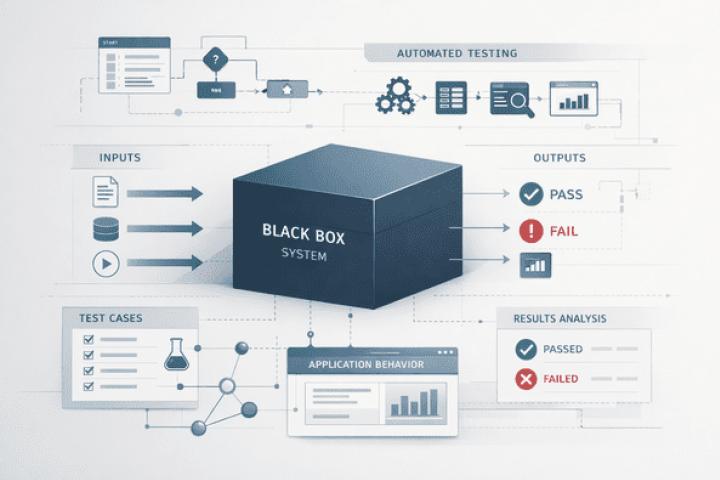
4. Testing and Quality Assurance (2–4 Weeks)
Before the software is launched, it must undergo extensive testing to ensure reliability, performance, and security.
Common testing processes include:
- Functional testing
- Performance testing
- Security testing
- User acceptance testing (UAT)
Thorough testing ensures that the product functions correctly across devices and environments.
5. Deployment and Launch (1–2 Weeks)
Once testing is completed, the software is deployed to production environments.
This stage includes:
- Server configuration
- Final bug fixes
- Performance optimisation
- User onboarding and documentation
After launch, the development team usually provides ongoing maintenance and updates.
Factors That Affect Custom Software Development Time
Several factors can influence how long a custom software project takes.
Project Complexity
Complex systems with multiple modules, advanced features, and integrations naturally require more time to develop compared to simple applications.
Examples of complexity include:
- Artificial intelligence features
- Real-time analytics
- Multi-platform integrations
- Advanced security protocols
Third-Party Integrations
Integrating external systems such as payment gateways, CRMs, analytics tools, or ERP platforms can add additional development time.
Each integration may require extra testing and configuration.
Development Team Experience
An experienced development team can significantly improve project efficiency. Skilled custom software developers in Australia often follow agile development practices that allow for faster iterations and continuous improvement.
Design and User Experience Requirements
Highly customised UI designs with advanced animations, dashboards, or complex user flows can extend the development timeline.
Scope Changes During Development
Frequent feature additions or requirement changes during the development phase can delay project completion. Clear planning and prioritisation help minimise such delays.
Why Australian Businesses Start With an MVP
Many Australian startups and enterprises prefer launching with a Minimum Viable Product (MVP).
This approach allows businesses to:
- Launch products faster
- Validate ideas with real users
- Reduce initial development costs
- Improve features based on feedback
An MVP can often be developed within 6–10 weeks, making it an efficient strategy for early-stage products.
Choosing the Right Development Partner
Selecting the right development partner plays a crucial role in determining the success and timeline of a project. Businesses should look for partners with strong technical expertise, transparent communication, and experience delivering scalable digital solutions.
Working with experienced custom software developers in Australia ensures that businesses receive reliable guidance throughout the development lifecycle—from planning and design to deployment and ongoing support.
Final Thoughts
Custom software development timelines in Australia vary depending on project size, complexity, and development approach. In general:
- Small applications may take 2–4 months
- Mid-scale platforms typically require 3–6 months
- Enterprise software can take 6–12 months or longer
With clear requirements, proper planning, and collaboration with experienced custom software developers in Australia, businesses can significantly streamline development timelines and build high-quality digital solutions tailored to their needs.