All things being considered, reverse osmosis, also sometimes known as RO, is one of the best methods of water filtration or purification, period.
It is effective not just against physical sediment and pollutants but can remove both dissolved chemical contaminants as well as biological contaminants and pathogens.
Here’s what you need to know.
Contaminants Removed
As a water filtration method, reverse osmosis can remove:
- Heavy metals like lead, arsenic, and cadmium. The best reverse osmosis water filter systems can effectively remove as much as 98% of lead from a water source, which is important as lead has come into the spotlight as a common contaminant of household water supplies.
- Some chlorine and chloramines. Chlorine is commonly used by municipal water authorities to kill microbial contaminants in a water supply, but some experience skin and eye sensitivities to chlorine. Also, many prefer water that is free of the taste and odor of chlorine.
- Some pesticides, herbicides and other similar toxins. These sometimes wind up in water supplies from runoff or groundwater contamination. Fortunately, the best reverse osmosis water filter systems can remove most of them.
- The dissolved minerals that result in scale formation. Reverse osmosis removes dissolved calcium and magnesium, the two main culprits implicated in the formation of hard water scale. Removing scale-forming minerals will extend the lifespan of your appliances that use water.
- PFOS and other forever chemicals. Reverse osmosis can effectively remove chemicals like PFOS and PFOAS from a water supply.
- Biological contaminants. The bacteria, protozoans and parasitic cysts, and even viruses are too large to fit through the molecular sieve used in reverse osmosis filtration, making RO one of the most effective methods for removing biological contaminants and pathogens. It is even more effective when paired with UV sterilization.
- Sand, sediment, and other particulate matter. These are often removed by a pre-filter before the water is subject to reverse osmosis, but RO can remove these contaminants anyway. Reverse osmosis can remove up to 99% of total dissolved solids (TDS).
- RO also can remove fluoride, nitrates, microplastics, and many other contaminants not listed here.
How Does Reverse Osmosis Water Filtration Work?
The best thing about reverse osmosis is that it removes these contaminants all without the need for chemical neutralization or filtration.
Reverse osmosis works by passing water through a semi-permeable membrane. Basically, the pores in the membrane are so small that only water can pass through, leaving all of the other contaminants on the other side.
Because of its ability to remove such a wide range of both biological and chemical contaminants, reverse osmosis is widely considered to be one of the best methods for water filtration.
Looking for the Best Reverse Osmosis Water Filter for Your Home?
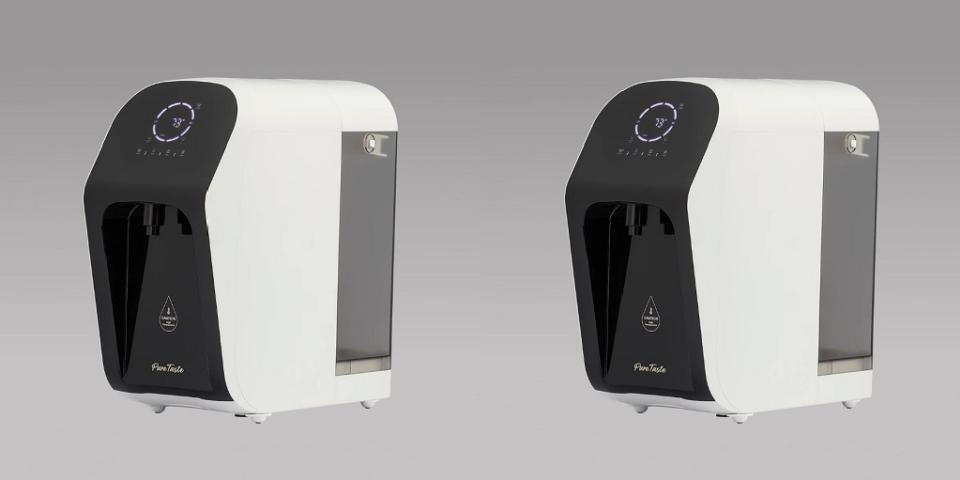
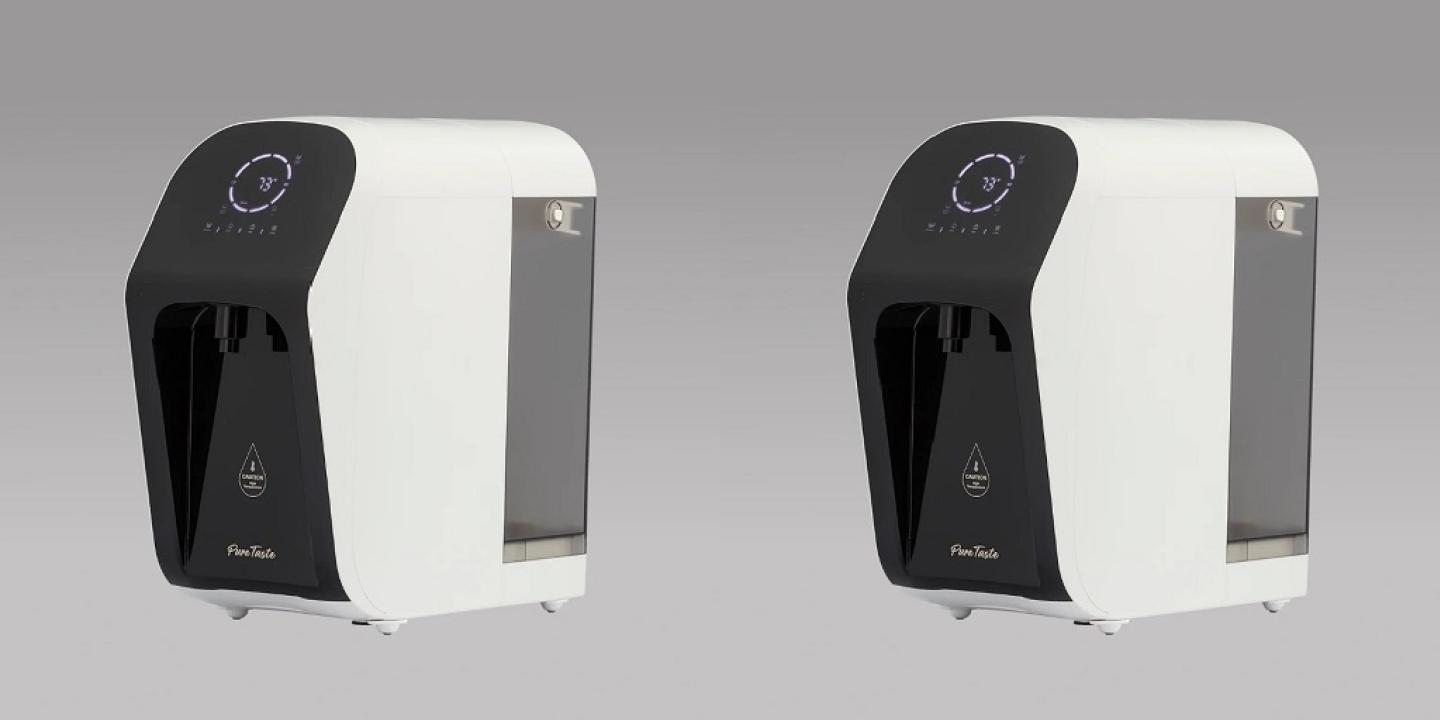
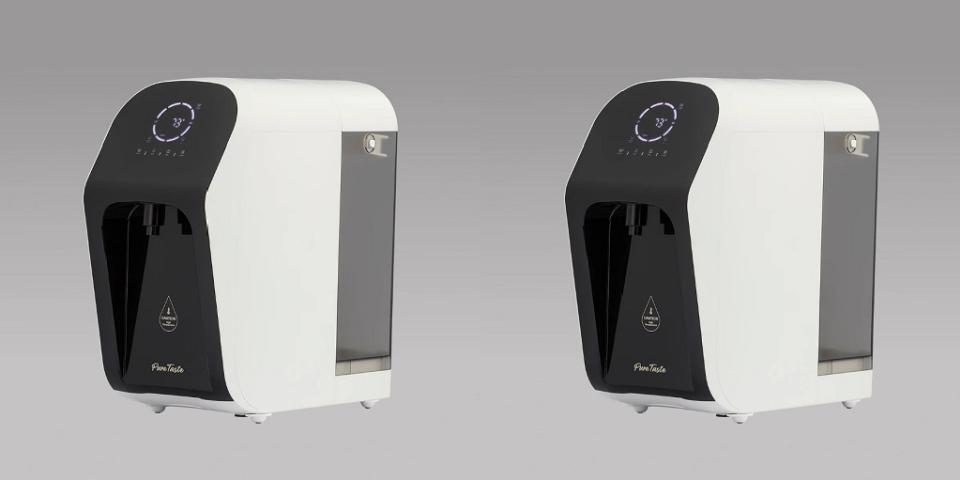
Interested in learning more about some of the best reverse osmosis water filter systems you can install in your home? Start your search online at Nature’s Air and Water, where you can explore options, including an RO + UV water sterilization system that is affordable, effective, and easy to install.
For More Information About Water Filter For Sink and Water Filtration System Please Visit: Nature’s Air and Water, LLC.