The Shift Toward AI-Driven Business Strategy
Artificial intelligence is no longer just a supporting technology—it has become a core part of modern business strategy. Organizations across industries are using AI to improve decision-making, streamline operations, and gain a competitive edge. In fact, AI is now considered a boardroom-level priority, with enterprises integrating it into long-term growth plans rather than treating it as an experimental tool.
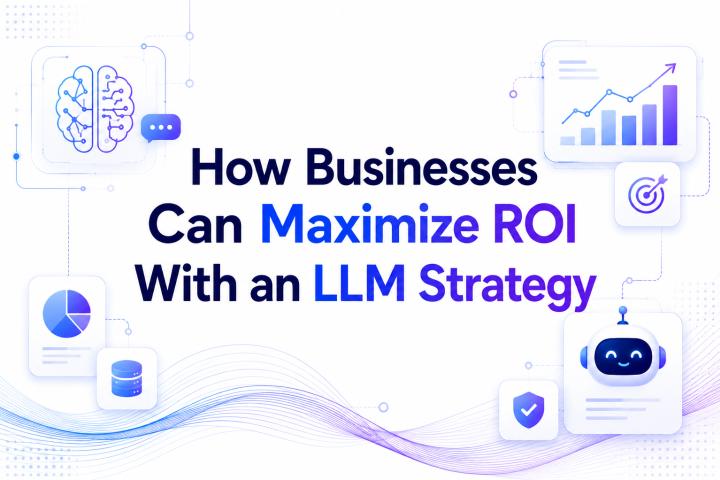
This shift highlights a critical trend: businesses are moving from isolated AI use cases to fully integrated AI for business strategy, where AI drives real business outcomes.
What Does AI for Business Strategy Really Mean?
AI for business strategy refers to the structured use of artificial intelligence to achieve key organizational goals such as revenue growth, operational efficiency, and customer experience improvement. Instead of using AI in silos, businesses are embedding it into core processes and decision-making frameworks.
A successful strategy connects AI capabilities with real business objectives. This includes identifying problems AI can solve, defining measurable outcomes, and aligning technology with organizational goals.
Why Enterprises Are Investing in AI for Business Strategy
Enterprises are increasingly adopting AI because it enables faster insights, better predictions, and smarter decision-making. AI systems can analyze massive datasets, identify patterns, and provide actionable recommendations that humans alone cannot achieve at scale.
This is transforming multiple business functions, from marketing and customer service to finance and operations. AI is helping companies move from reactive decision-making to proactive, data-driven strategies that improve overall performance.
Key Components of a Successful AI Strategy
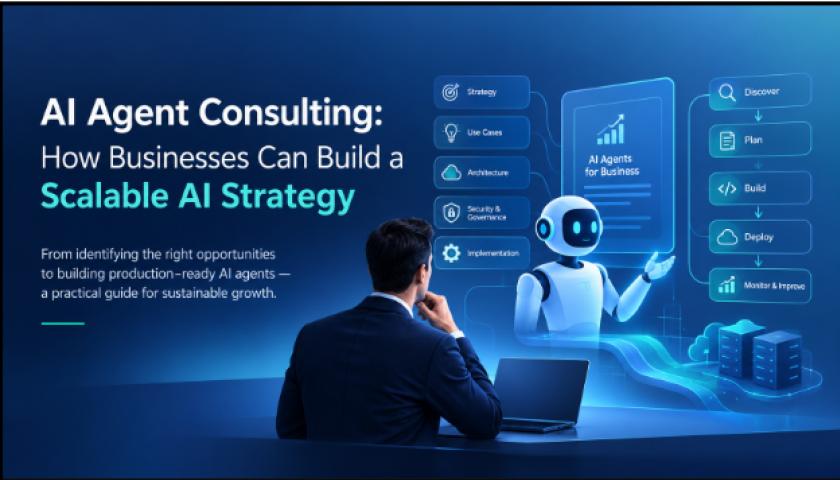
Implementing AI effectively requires more than just deploying tools—it demands a structured approach. Organizations need to align AI initiatives with business goals, build strong data foundations, and develop cross-functional collaboration.
A well-defined strategy typically includes clear objectives, prioritized use cases, and a phased implementation approach that starts with pilot projects and scales gradually. Continuous monitoring and optimization are also essential to ensure long-term success.
Challenges in Implementing AI for Business Strategy
Despite its potential, many organizations struggle to implement AI successfully. Common challenges include lack of clear direction, poor data quality, integration complexity, and skill gaps within teams.
Additionally, businesses must address concerns related to governance, security, and compliance. Without proper planning and oversight, AI initiatives can become fragmented and fail to deliver expected results.
Real-World Insights on Enterprise AI Adoption
As enterprises continue to adopt AI, practical implementation strategies are becoming increasingly important. This detailed guide explores how businesses are successfully integrating AI into their operations, highlighting real-world use cases and strategic approaches:
https://siit.co/blog/ai-for-business-strategy-implementation-guide-for-enterprise-leaders/51357
The article provides valuable insights into how organizations are moving beyond experimentation and leveraging AI for long-term business transformation.
The Future of AI for Business Strategy
AI will continue to play a critical role in shaping the future of business. As technologies evolve, organizations will rely even more on AI to drive innovation, improve efficiency, and enhance customer experiences.
Companies that adopt a strategic approach to AI today will be better positioned to compete in an increasingly data-driven world. The focus will shift from simply using AI tools to building intelligent systems that continuously learn, adapt, and deliver value.
Final Thoughts
AI is no longer optional for businesses aiming to stay competitive—it is a fundamental part of modern strategy. However, success depends on how effectively organizations integrate AI into their operations.
By adopting a structured approach to AI for business strategy, enterprises can unlock new opportunities, reduce risks, and achieve sustainable growth. As AI continues to evolve, it will become the foundation for smarter, faster, and more resilient business models.