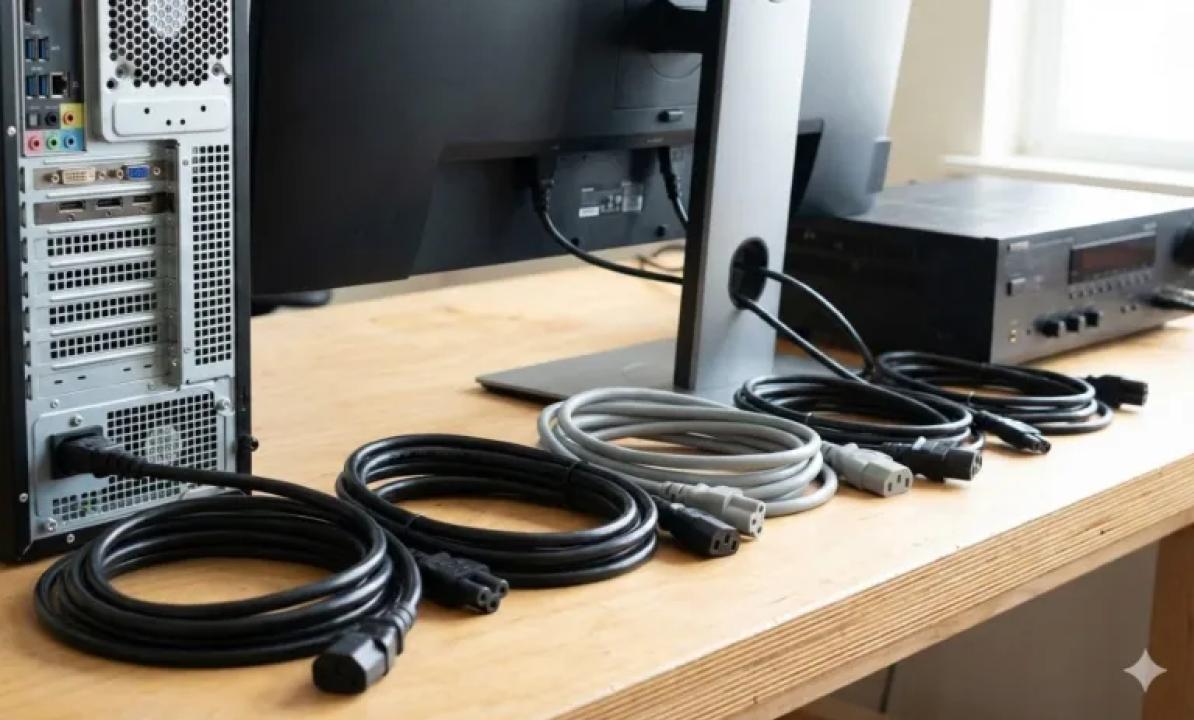
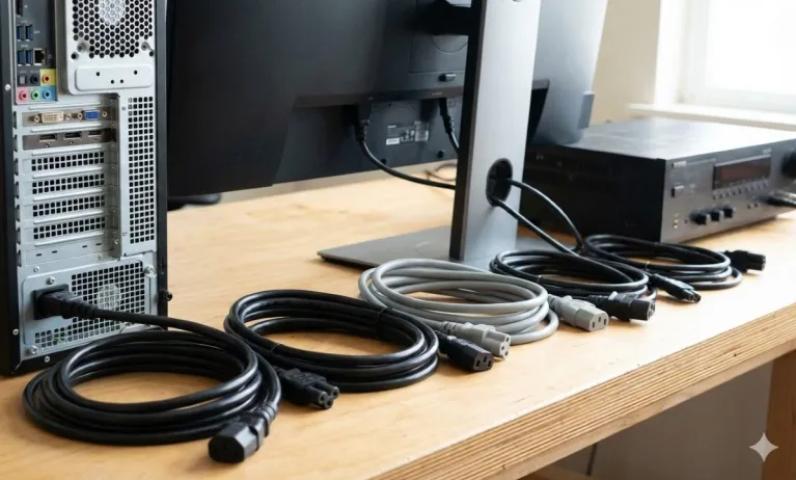
When you look at the back of your computer monitor, desktop PC, printer, or AV receiver, you'll almost certainly see a familiar three-pronged socket. That socket belongs to one of the most widely used electrical connectors in the world — the IEC C13. Despite being everywhere, most people have never heard its name. This guide explains everything you need to know about the IEC C13 and why it matters.
What Is the IEC C13?
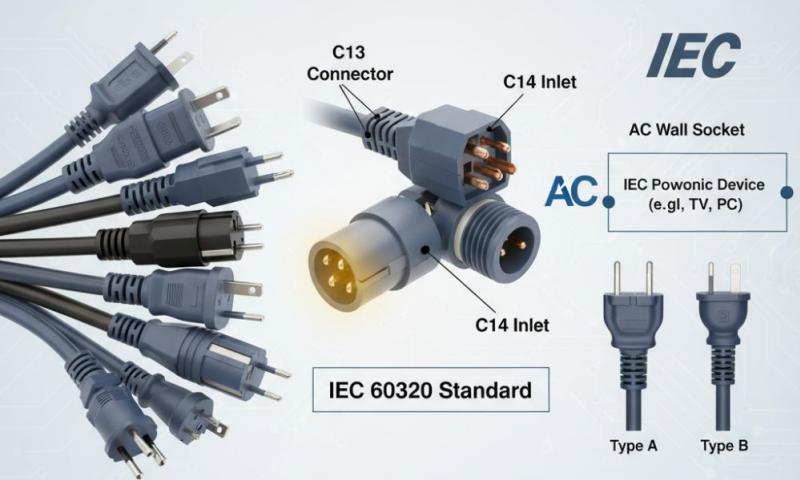
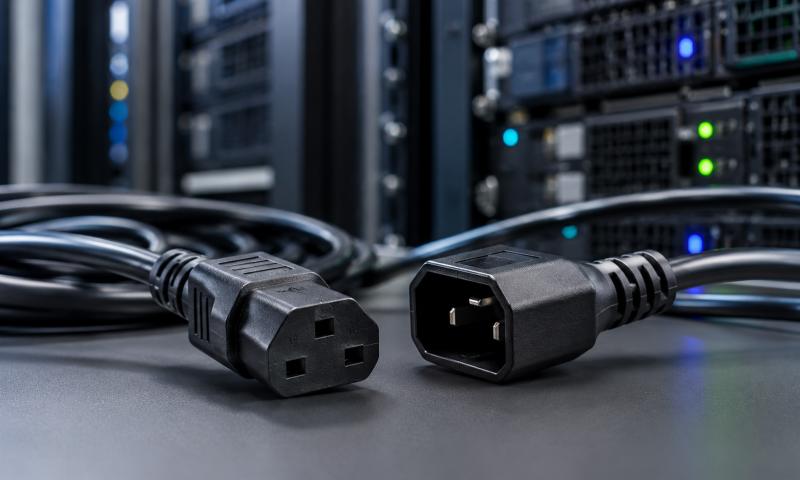
The IEC C13 is a standardized electrical connector defined by the International Electrotechnical Commission (IEC) under the IEC 60320 standard. It is a female connector that attaches to a power cord and plugs into a C14 inlet on a device. The C13 is rated for up to 10 amperes at 250 volts AC, making it suitable for a wide range of electronics and appliances. Its distinctive shape — three rounded slots arranged in a specific pattern — makes it immediately recognizable.
Where You Will Find the IEC C13
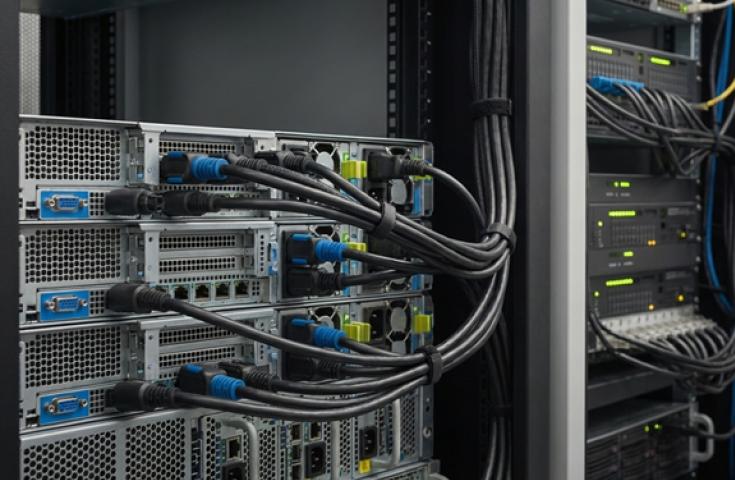
The IEC C13 is used in an enormous range of devices. Desktop computers and workstations almost universally use C14 inlets on their power supply units, requiring a C13 connector on the power cord. Monitors, printers, network switches, AV receivers, and gaming consoles also commonly use this connector. In data centers, IEC C13 cords connect servers and networking equipment to power distribution units (PDUs). It is one of the most prolific connectors in IT and consumer electronics.
The IEC C13 vs Other IEC Connectors
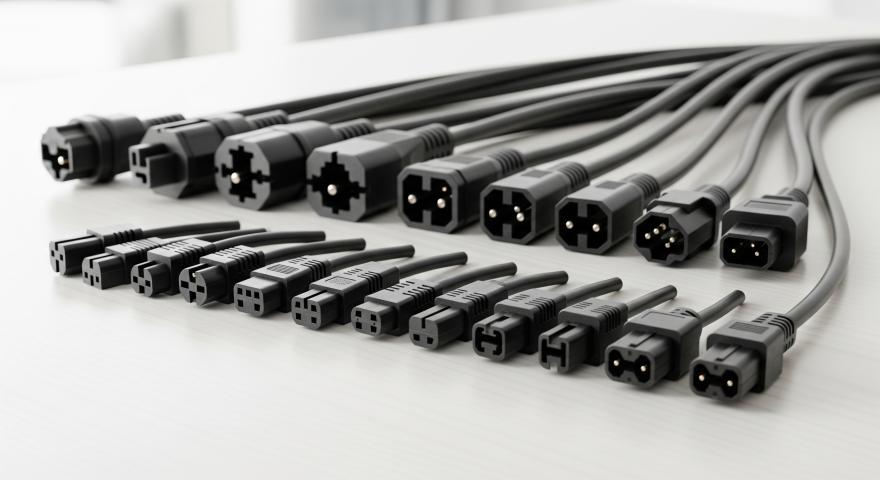
The IEC 60320 family includes many connector types beyond the C13. The C7 (figure-8 connector) powers small electronics like phone chargers and laptop power bricks. The C15 looks almost identical to the C13 but is rated for higher temperatures, used in kettles and equipment that generates more heat. The C19 is a heavier-duty connector used in high-power servers and rack-mounted equipment. The C13 sits in the middle — versatile enough for most electronics but not designed for the highest-power applications.
IEC C13 Safety Ratings and Standards
Safety is the foundation of the IEC C13 standard. The connector is rated for 10A/250V and is tested for dielectric strength, contact resistance, and temperature rise under load. Quality IEC C13 connectors carry safety certifications from bodies like UL (Underwriters Laboratories) in North America, VDE in Germany, and CE in Europe. Always look for these marks when purchasing IEC C13 cables, especially for business or mission-critical equipment.
Choosing the Right IEC C13 Cable for Your Device
When selecting an IEC C13 cable, consider the amperage rating of your device, the cable length required for your setup, and the plug type needed for your country (the C13 end is universal, but the wall plug end varies by region). For high-draw devices like workstations with powerful GPUs, ensure your cable is rated for the full amperage. For general office equipment, standard 10A cables are universally appropriate.
Why the IEC C13 Is a Global Standard
The genius of the IEC C13 is its universality. Because the standard is accepted worldwide, a C13 power cord purchased in one country will physically fit any C14 inlet anywhere in the world. Only the wall plug end changes by region. This standardization simplifies manufacturing, reduces costs, and makes it easy to replace cables across different devices, countries, and industries — a key reason the IEC C13 has remained dominant for decades.
Original Article :- https://www.techcolite.com/top-uses-of-iec-power-cords-in-modern-electronics/