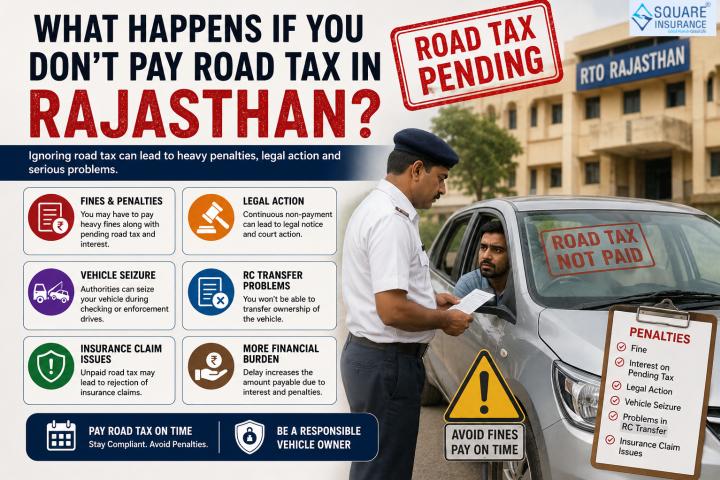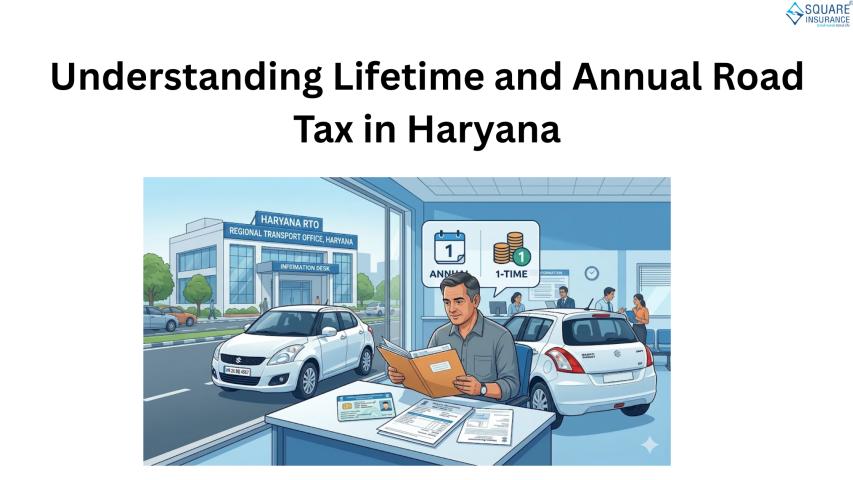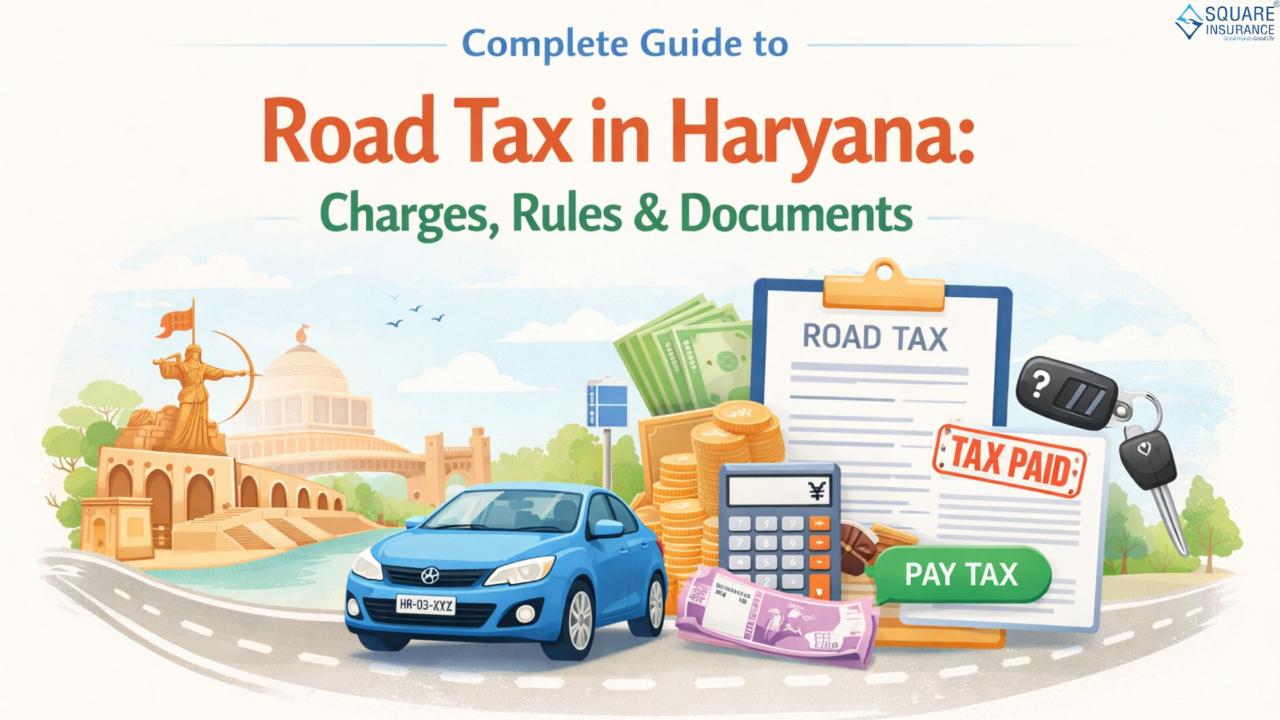
Paying road tax is a legal obligation for every vehicle owner in Haryana. It ensures that your vehicle is registered with the state authorities and can be legally used on public roads. Road tax also contributes to maintaining roads, improving infrastructure, and supporting transportation services across the stat road tax in Haryana is a mandatory fee levied on all vehicles registered in the state. This tax can be a one-time lifetime payment for private vehicles or periodic for commercial vehicles. The amount varies based on the vehicle type, engine capacity, and usage. It is collected by the Haryana Transport Department and is crucial for legal compliance
Who Needs to Pay Road Tax?
All
vehicle owners in Haryana are required to pay road tax. This includes:
- Two-wheelers
- Cars and SUVs
- Trucks, buses, and
commercial vehicles
- Electric and hybrid vehicles
(with exemptions in certain cases)
Vehicles
purchased from outside Haryana must have road tax recalculated and paid
according to Haryana’s rules. Non-compliance can result in fines or legal
issues
How is Road Tax Calculated?
The
calculation of road tax depends on:
- Type of Vehicle: Two-wheelers, cars, and
commercial vehicles have different rates.
- Engine Capacity: Larger engine vehicles
attract higher taxes.
- Vehicle Price: The manufacturer’s cost or
declared value is used in calculation.
- Usage Duration: Lifetime tax may apply for
private vehicles, while commercial vehicles often require periodic
payment.
Haryana
RTO offices provide a rate chart for accurate calculation.
Payment Methods
Haryana
offers multiple ways to pay road tax:
- Online Payment: Through the official
Haryana Transport portal.
- Offline Payment: At RTO offices using cash,
cheque, or demand draft.
- Bank Payment: Authorized banks can
facilitate payment for convenience.
Online
payments are increasingly preferred due to speed, easy record keeping, and
instant receipt generation
Required Documents
When
paying road tax in Haryana, the following documents are needed:
- Vehicle Registration
Certificate (RC)
- Proof of Identity and
Address (Aadhaar, Passport, Voter ID)
- Vehicle Invoice or Sale
Certificate
- Insurance Certificate
- Form 20 (Application for
Registration)
- No Objection Certificate
(NOC), if applicable for inter-state transfers
Submitting
complete and accurate documents avoids delays and fines
Rules and Regulations
Key rules
regarding road tax in Haryana include:
- Mandatory Payment: Vehicles cannot operate
without paying the applicable tax.
- Penalty for Delay: Late payment leads to fines
and may affect insurance claims.
- Ownership Transfer: Road tax must be adjusted
when transferring vehicle ownership.
- Inter-State Vehicles: Vehicles brought from other
states must comply with Haryana tax rules.
- Electric Vehicle Exemptions: Some electric vehicles may
be partially or fully exempted.
Following
these rules ensures a smooth ownership experience
Road Tax Rates in Haryana
The state
sets different rates for various vehicles:
- Two-Wheelers: ₹600 – ₹2,000 depending on
engine capacity
- Cars: ₹2,000 – ₹12,000 depending
on cubic capacity and price
- Commercial Vehicles: ₹10,000 – ₹50,000 based on
tonnage and usage
- Buses: ₹15,000 – ₹60,000 based on
seating capacity
- Electric Vehicles: May enjoy partial or full
exemptions
Rates can
change periodically, so it is advisable to verify with the local RTO before
payment.
How to Pay Online
To pay
online in Haryana:
- Visit the Haryana Transport
Department portal.
- Enter vehicle registration
details.
- Select the type of tax
applicable (lifetime or periodic).
- Upload the required
documents.
- Make payment via net
banking, UPI, or debit/credit card.
- Download the receipt for
future reference.
Online
payments save time and reduce paperwork, making the process smoother
Frequently Asked Questions (FAQs)
1. Is
road tax compulsory in Haryana?
Yes, all vehicles must pay road tax to operate legally in the state.
2. What
if I buy a vehicle from another state?
You must pay road tax in Haryana, adjusting for any tax already paid in the
previous state.
3. Are
electric vehicles exempt?
Some electric vehicles may receive partial or full exemptions according to
state policy.
4. What
happens if I delay payment?
Late payment can result in fines, legal penalties, and complications in
ownership transfer.
5. Can I
pay road tax online?
Yes, Haryana offers a portal for online payments that is quick and convenient.
6. Is
road tax a one-time payment?
Private vehicles often pay a lifetime tax, while commercial vehicles may
require periodic payments.
7. How is
the road tax amount calculated?
It depends on vehicle type, engine capacity, price, and usage category.
Conclusion
Understanding
road tax in Haryana is essential for all vehicle owners to ensure compliance
and avoid legal issues. Knowing the rates, required documents, and payment
methods simplifies the process. Whether paying online or offline, following
state rules ensures a hassle-free experience.
Platforms
like Square Insurance can assist with managing vehicle insurance and
related compliance, providing a reliable solution to handle paperwork and
payments efficiently.