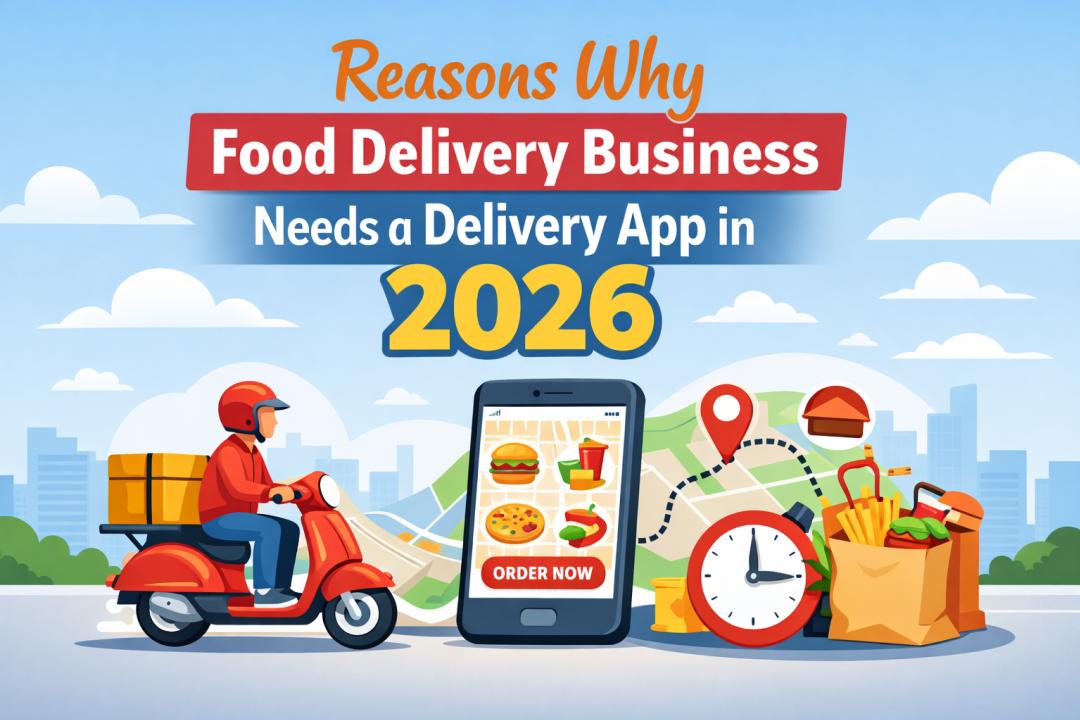
The food delivery industry has undergone a dramatic transformation over the past decade. What once seemed like a luxury has now become an everyday expectation. In 2026, consumers don't just prefer the convenience of ordering food from their smartphones — they demand it. For any food delivery business hoping to survive and thrive in this hyper-competitive landscape, having a dedicated delivery app is no longer optional. It is an absolute necessity.
If you're still relying on phone calls, third-party platforms, or walk-in orders alone, you're already falling behind. Here's a deep dive into exactly why your food delivery business needs its own delivery app this year.
1. Consumer Behavior Has Permanently Shifted
The pandemic accelerated a digital revolution in the food industry, and there's no going back. Today's customers — across all age groups — are deeply comfortable ordering food through apps. They expect real-time tracking, multiple payment options, loyalty rewards, and instant notifications. According to recent industry reports, mobile ordering accounts for the majority of all food delivery transactions globally.
If your business doesn't have a branded app, you're invisible to a significant portion of your target audience. Worse, you're pushing your customers directly into the arms of competitors who do have an app.
2. You Own the Customer Relationship
One of the biggest mistakes food businesses make is relying entirely on third-party aggregator platforms like DoorDash. Yes, these platforms offer visibility — but at a steep cost. They take hefty commissions (often 20–30% per order), and more importantly, they own the customer data.
When you work with an experienced food delivery app development company to build your own platform, you gain full ownership of the customer relationship. You collect first-party data, understand purchase behavior, personalize experiences, and build genuine loyalty. Your customers interact with your brand, not a middleman's.
3. Real-Time Order Tracking Builds Trust
Customers today have little patience for uncertainty. They want to know exactly when their food will arrive. A delivery app with live GPS tracking transforms the waiting experience — reducing anxious calls, lowering complaint rates, and building trust.
Real-time tracking also benefits your operations. You can monitor delivery personnel, optimize routes, reduce delays, and improve your overall service quality. This kind of operational visibility is simply not possible without a dedicated app infrastructure.
4. Streamlined Operations and Reduced Errors
Manual order-taking — whether by phone or through a third-party portal — is prone to human error. Mishearing an address, missing a customization request, or entering the wrong item can result in unhappy customers and costly refunds.
A delivery app automates the entire order flow. The customer selects items, customizes their order, confirms the address, and pays — all without any human intervention at the order-entry stage. This reduces errors dramatically and frees up your staff to focus on food preparation and delivery.
When you partner with an on demand app development company, these workflows can be further customized to match your specific business model — whether you're running a single cloud kitchen or managing a multi-location restaurant chain.
5. Data-Driven Decision Making
Data is the new competitive advantage. A delivery app gives you access to powerful analytics: your most popular dishes, peak ordering hours, customer lifetime value, cart abandonment rates, and repeat purchase frequency.
With this data, you can make smarter decisions — launching targeted promotions during slow hours, removing low-performing items from the menu, introducing combo deals that increase average order value, and predicting demand during festivals or events. Businesses that leverage data grow faster, plain and simple.
6. Push Notifications Drive Revenue
Unlike email or social media, push notifications have remarkably high open rates. A well-timed push notification — "It's lunchtime! Get 20% off your next order" — can convert a passive customer into an active one within seconds.
This marketing capability alone can justify the investment in a delivery app. You're building a direct communication channel with every customer who installs your app. No algorithm, no platform fee, no gatekeeping. Just your message, delivered instantly.
7. Loyalty Programs and Retention
Acquiring a new customer costs significantly more than retaining an existing one. A delivery app makes it easy to implement loyalty programs — points systems, referral bonuses, milestone rewards, and personalized discount coupons.
These programs incentivize repeat ordering and create emotional attachment to your brand. Customers feel recognized and valued when your app remembers their preferences, offers birthday discounts, or rewards them for consistent ordering.
8. Multiple Revenue Streams
A smart delivery app isn't just about taking orders. It opens doors to multiple revenue opportunities. You can introduce subscription plans (unlimited free delivery for a monthly fee), in-app advertising for partner brands, catering order functionality, pre-scheduled meal plans, and even a marketplace model if you want to onboard other restaurants.
An experienced on demand app development company can help you architect these features from the ground up, ensuring your app scales gracefully as your business grows.
9. Competitive Advantage in a Crowded Market
In 2026, the food delivery space is more crowded than ever. New players enter the market regularly, and customer loyalty is fragile. Having your own branded delivery app is a powerful differentiator. It signals professionalism, stability, and commitment to customer experience.
More importantly, it lets you control your narrative. Your app reflects your brand identity — your colors, your voice, your values. That kind of brand ownership is priceless in a commoditized market.
10. Future-Proofing Your Business
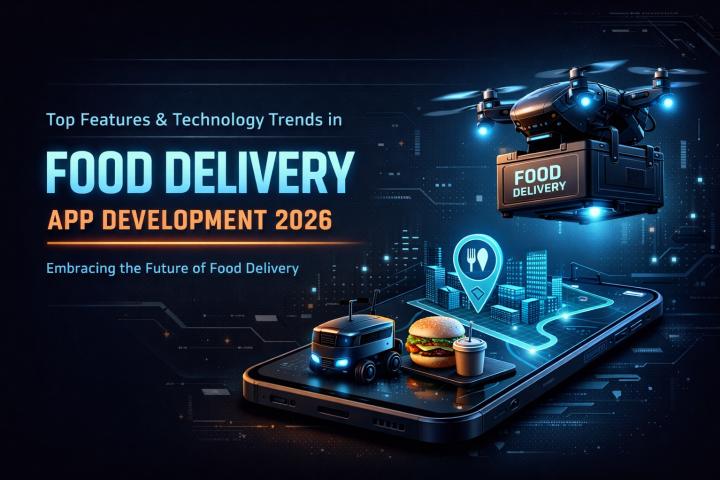
Technology evolves fast. AI-powered recommendation engines, contactless delivery verification, voice ordering, drone delivery integration — these innovations are no longer science fiction. They are being built into delivery apps right now.
When you invest in your own platform with the help of a reliable food delivery app development company, you're not just solving today's problems. You're building a foundation that can accommodate the innovations of tomorrow. Businesses that delay this investment will find themselves playing catch-up while competitors race ahead.
Final Thoughts
The question is no longer whether your food delivery business needs an app. The question is how soon you can get one built. Every day without a dedicated app is a day of lost orders, lost data, and lost customer loyalty.
Whether you're a startup cloud kitchen or an established restaurant chain looking to go direct-to-consumer, partnering with the right food delivery app development company or on demand app development company is the single most impactful investment you can make for your business in 2026. The tools are ready, the market is hungry — it's time to deliver.