Introduction
A deeper understanding of the Architecture of Hyperledger Fabric is essential for designing production-ready blockchain systems. This architecture enables flexible deployment models, granular privacy, and efficient transaction processing.
Channel Design in the Architecture of Hyperledger Fabric
Channels are a key feature:
- Provide data segregation across participants
- Allow multiple independent ledgers
- Enable confidential transactions
However, overusing channels can increase operational complexity.
Chaincode Lifecycle
The Architecture of Hyperledger Fabric includes a decentralized chaincode lifecycle:
- Install chaincode
- Approve by organizations
- Commit definition
- Execute transactions
This ensures no single entity controls business logic changes.
Endorsement Policies
Endorsement policies define trust within the network:
- AND policies → higher security
- OR policies → higher availability
These policies are critical in maintaining the integrity of the Architecture of Hyperledger Fabric.
Consensus Mechanism (Raft)
Fabric uses Raft consensus for ordering:
- Leader-based system
- Crash fault tolerance
- Predictable performance
This enhances reliability in enterprise environments.
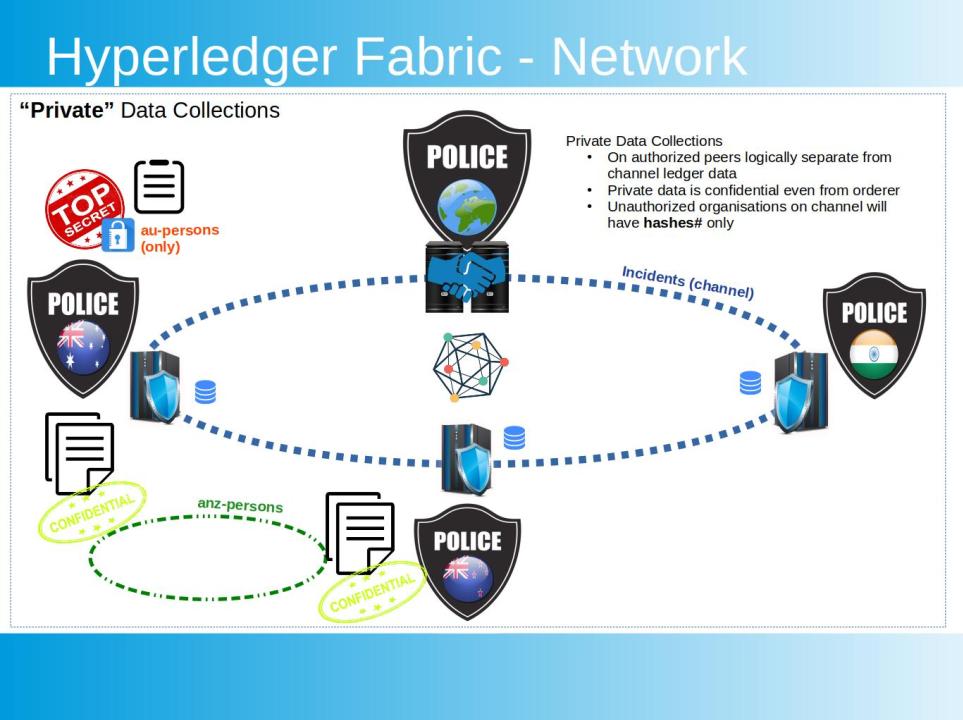
Private Data Collections
Private Data Collections allow:
- Sharing sensitive data among specific participants
- Storing hashes on the ledger for verification
- Maintaining confidentiality without separate channels
Security Framework
Security in the Architecture of Hyperledger Fabric includes:
- Identity management via certificates
- Access control through policies
- Encrypted communication using TLS
Real-World Applications
The Architecture of Hyperledger Fabric powers:
- Financial services (trading, derivatives, settlements)
- Supply chain tracking
- Healthcare data sharing
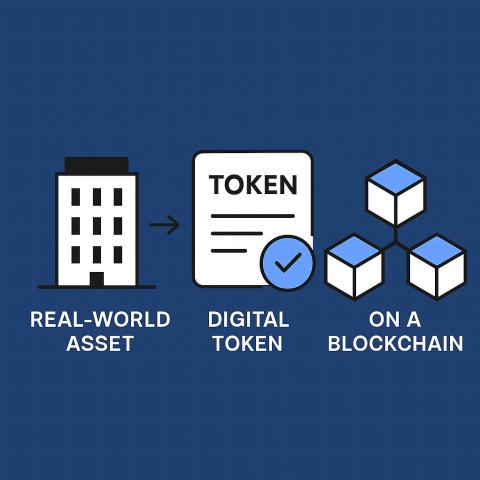
- Asset tokenization platforms like Spydra.app
Compared to public platforms like Ethereum, Fabric offers greater control and privacy.
Conclusion
The Architecture of Hyperledger Fabric provides a comprehensive framework for building enterprise blockchain solutions. Its modular design, robust security, and flexible deployment options make it ideal for organizations seeking scalable and compliant blockchain infrastructure.