The UK's private rental sector is quietly undergoing a technological shift. Landlords who once relied on letting agents for everything from tenancy agreements to rent collection are increasingly choosing to manage their properties themselves -- and a new generation of purpose-built tools is making that transition easier than ever.
For years, self-management was synonymous with administrative chaos: spreadsheets, paper trails, missed compliance deadlines, and the constant anxiety of keeping up with an ever-changing regulatory landscape. That reputation is becoming outdated. Modern landlord software has closed the gap considerably, offering features that were once the exclusive preserve of professional agents, from automated rent tracking and maintenance logging to built-in compliance reminders tied to real legislative dates.
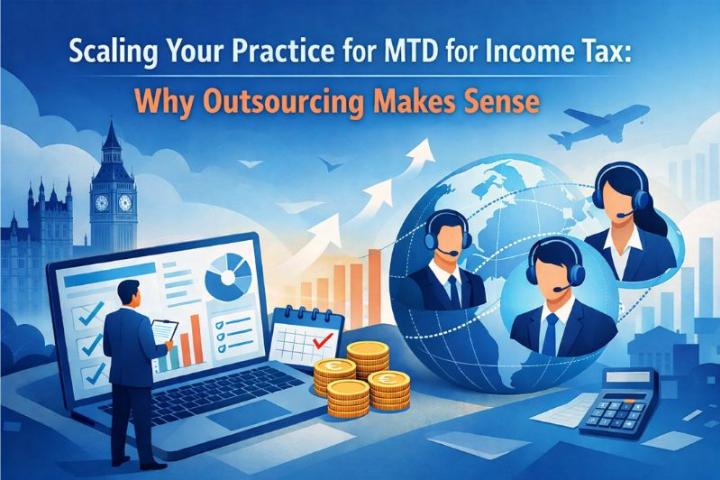
The regulatory pressure on landlords has intensified sharply. The Renters' Rights Act, now progressing through Parliament, will introduce significant changes to tenancy structures, notice periods, and grounds for possession. At the same time, HMRC is pushing ahead with its digitalisation agenda. From April 2026, landlords earning above the income threshold will be required to comply with Making Tax Digital for landlords, submitting quarterly digital records to HMRC rather than a single annual return. For landlords still operating on spreadsheets or paper, that deadline represents a forcing function to modernise.
The startups responding to this moment are not simply digitising existing processes. The best of them are rethinking the landlord experience from the ground up, treating compliance not as a burden to manage but as a workflow to automate. That means surfacing the right action at the right time, rather than leaving landlords to remember it themselves.
For any landlord considering self-management in 2025 and beyond, the question is no longer whether software can replace an agent. Increasingly, it is which platform will do it best.