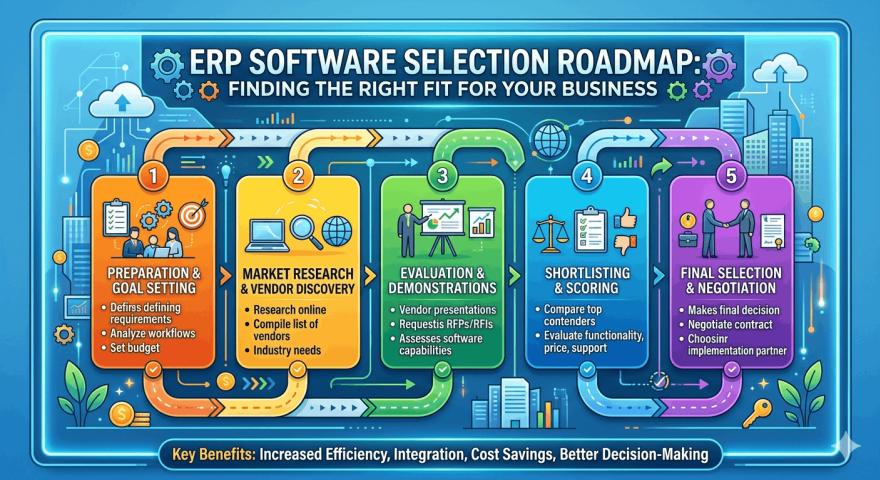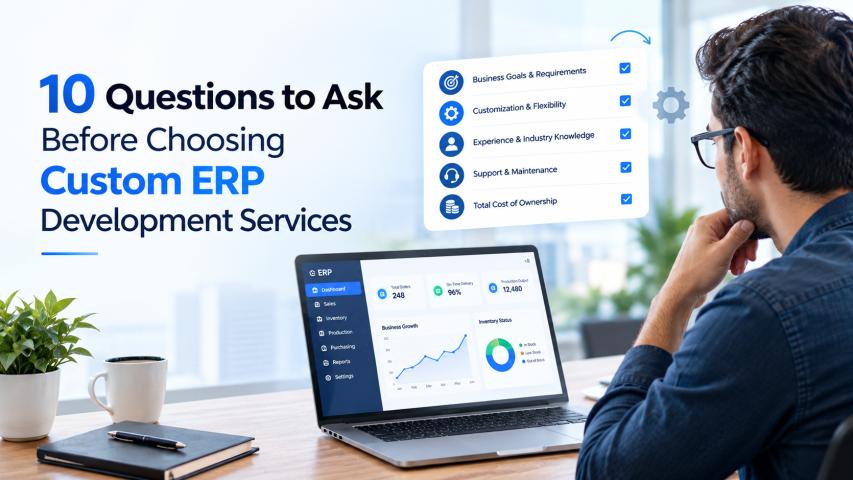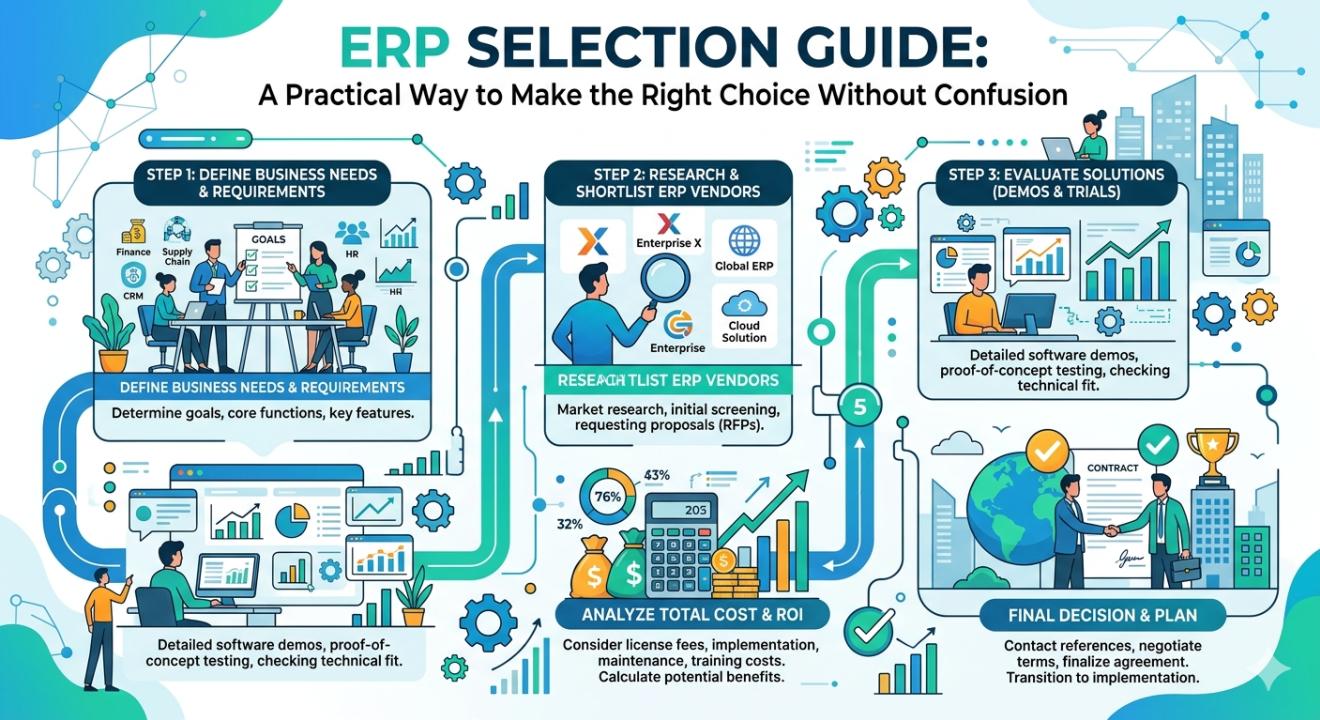
Choosing an ERP system is not just about software—it’s about how your business will function every day. Many companies feel stuck during this process because they try to compare tools without understanding their own needs. When you change the approach and start with your workflow, the decision becomes much easier.
Understand the Real Difference in Options
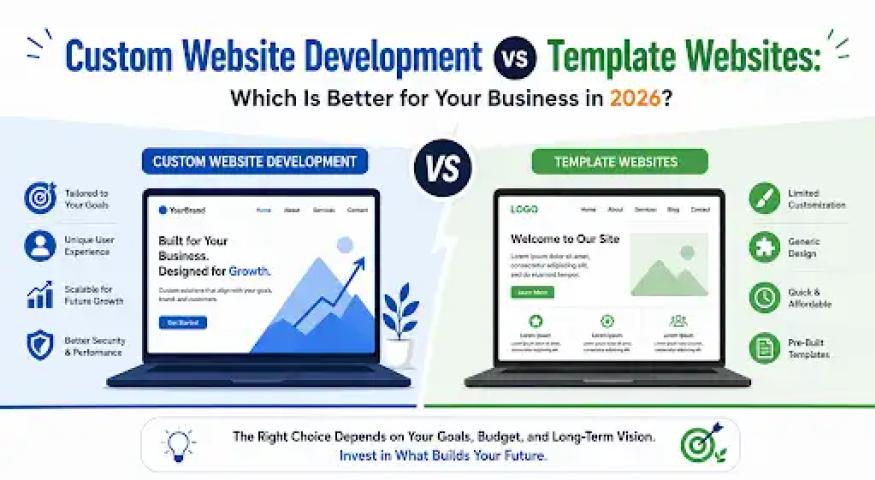
The most important step is understanding custom erp vs off the shelf. This is where your decision begins to take shape.
Off-the-shelf ERP systems are pre-built and designed for common business needs. They are quick to start but follow a fixed structure. Custom ERP systems are created based on your workflow. When comparing ready made erp vs custom erp, the main difference is control. Many businesses later face off the shelf erp limitations when they realize the system cannot adapt to their specific needs.
Start with Your Current Gaps, Not Features
Instead of looking at what ERP systems offer, first look at what your business is missing. Maybe your team spends too much time updating data. Maybe reports are delayed. Or maybe departments are not connected properly.
These are the real reasons you need ERP. Once you identify them, an erp comparison guide helps you connect each problem with a solution instead of getting distracted by unnecessary features.
When Custom ERP/CRM Development Becomes Useful
As businesses grow, they often need better coordination between different functions. This is where custom erp/crm development becomes valuable.
Instead of using separate tools for operations and customer data, a single system can be built that connects everything. This improves efficiency and reduces repeated work. It also gives businesses the freedom to design features based on their actual needs rather than adjusting to fixed software limitations.
Avoid Choosing Based Only on Simplicity
A system that looks simple at the start is not always the best choice. Quick installation and easy setup can be helpful, but they don’t guarantee long-term usability.
ERP becomes part of daily work, so it should feel natural to use. A good erp comparison guide always focuses on how well the system fits your process, not just how fast it can be implemented.
Look Beyond the Initial Price
Cost is always an important factor, but it should not be the only one. Many businesses choose ready-made ERP because it looks affordable at first.
However, additional costs often appear later—extra features, more users, or system upgrades. When you follow an erp comparison guide, you start to see the complete picture. This is where off the shelf erp limitations can increase long-term costs if the system does not support your growth.
Why Flexibility Matters in the Long Run
Features may look attractive, but flexibility is what keeps a system useful. One of the biggest custom erp advantages is that it adapts to your business.
With erp customization benefits, you can change workflows, add new features, and improve processes without replacing the entire system. This makes it easier to grow and adjust over time.
Final Words
ERP selection becomes simple when you focus on your business first. Understand your workflow, identify your gaps, and then compare systems.
By analyzing custom erp vs off the shelf and ready made erp vs custom erp, you can clearly see what works best. Considering off the shelf erp limitations, along with erp customization benefits and custom erp advantages, helps you make a practical decision.In the end, the right ERP system is the one that fits your business naturally and supports your daily operations without creating extra complexity.