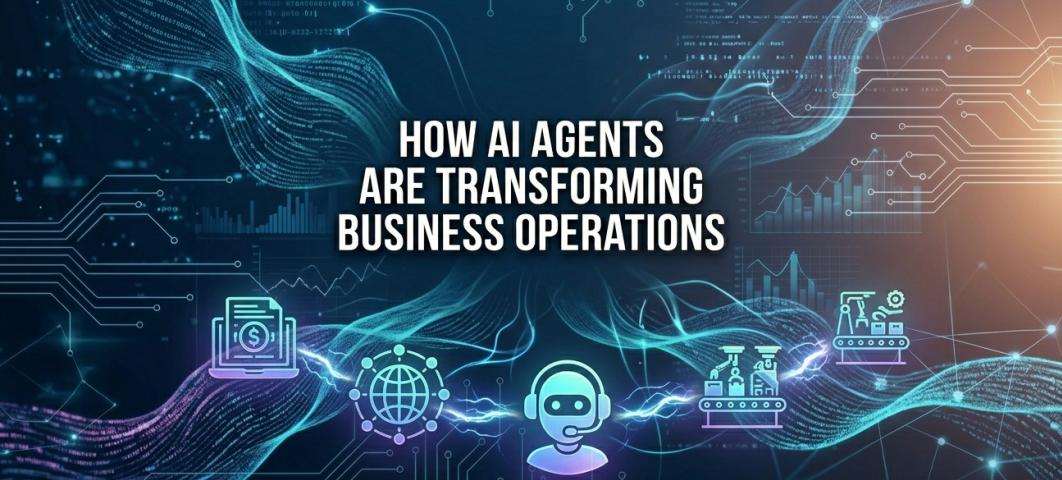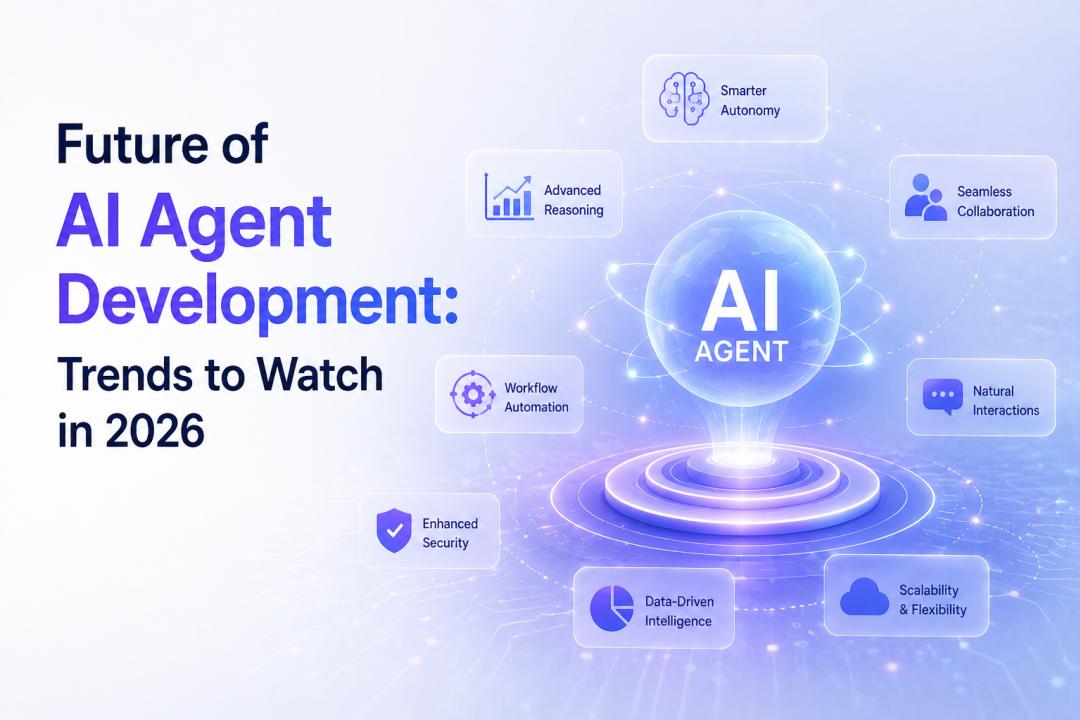
Artificial intelligence is no longer a futuristic concept; it is now a core driver of digital transformation across industries. As we move deeper into 2026, AI agents are evolving from simple task executors to intelligent, autonomous systems capable of reasoning, learning, and adapting in real time. This shift is reshaping how businesses design products, serve customers, and optimise operations.
For any AI App Development Company, staying ahead of these changes is not just an advantage; it is a necessity. The demand for smarter, context-aware AI agents is accelerating, and organisations that can deliver scalable and reliable AI systems will lead the next wave of innovation.
1. Rise of Autonomous Multi-Agent Systems
One of the most significant trends in 2026 is the emergence of multi-agent ecosystems. Instead of relying on a single AI model, businesses are deploying networks of specialised agents that collaborate to complete complex tasks.
For example, in enterprise workflows, one agent may handle data extraction, another may perform analysis, while a third generates actionable insights. This distributed intelligence improves efficiency and reduces system overload.
A forward-thinking Top AI Agent Development Company will increasingly focus on designing modular agent architectures that can communicate seamlessly and adapt to dynamic business environments.
2. Hyper-Personalisation at Scale
AI agents are becoming deeply personalised, capable of understanding user preferences, behaviour patterns, and contextual needs in real time. This is particularly transformative in sectors like e-commerce, healthcare, and finance.
In customer-facing applications, AI agents will move beyond reactive responses to proactive engagement, anticipating user needs before they are explicitly stated. This shift is driving demand for more sophisticated model training, continuous learning systems, and advanced behavioural analytics.
3. Expansion of AI in Financial Ecosystems
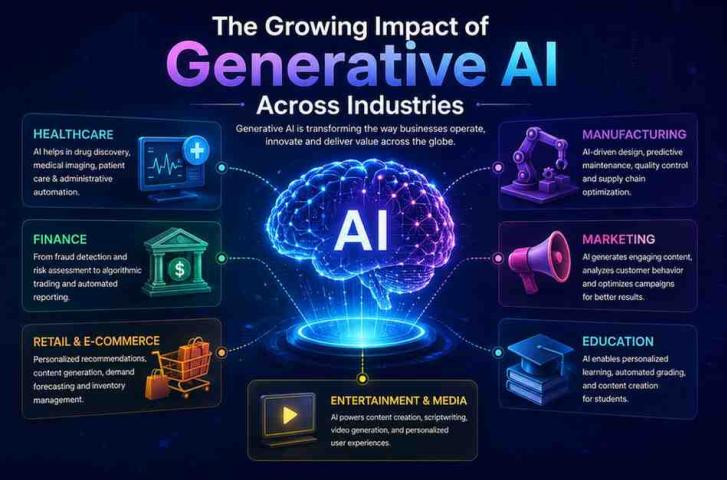
The financial sector continues to be one of the most impactful areas for AI adoption. From fraud detection to algorithmic trading and customer service automation, AI is redefining how banking systems operate.
Modern institutions are increasingly investing in AI Solutions in Banking, where intelligent agents assist in credit scoring, risk assessment, compliance monitoring, and personalised financial advisory services.
As regulatory requirements grow more complex, AI agents are also being used to ensure real-time compliance and reduce human error in critical financial processes.
4. Integration of Generative and Action-Oriented AI
Generative AI is no longer limited to content creation. In 2026, it will be integrated directly into AI agents that can take real-world actions such as booking services, executing workflows, and interacting with enterprise APIs.
This evolution is bridging the gap between decision-making and execution. Businesses are now seeking AI systems that not only recommend solutions but also implement them autonomously within defined parameters.
For development companies, this means building agents with stronger orchestration capabilities and secure access control mechanisms.
5. Ethical AI and Regulatory Compliance
As AI agents become more autonomous, concerns around transparency, bias, and accountability are growing. Governments and regulatory bodies are introducing stricter frameworks to ensure responsible AI usage.
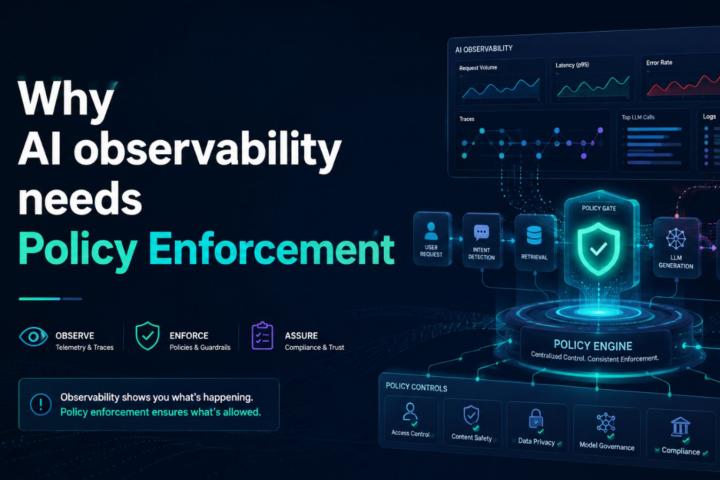
In response, developers are prioritising explainable AI (XAI), audit trails, and governance layers within agent systems. Trust has become a key differentiator in the market, especially for enterprise clients handling sensitive data.
6. Edge AI and Real-Time Decision Making
Conclusion
The future of AI agent development in 2026 is defined by intelligence, autonomy, and integration. From multi-agent ecosystems to real-time edge computing, the landscape is evolving rapidly, creating new opportunities for innovation across industries.
For businesses looking to stay competitive, partnering with an experienced AI App Development Company is becoming essential. Whether it is building enterprise automation tools, enhancing customer experiences, or developing intelligent financial systems, the right expertise can significantly accelerate digital transformation.
As organisations continue to explore advanced capabilities, the role of a Top AI Agent Development Company will be pivotal in shaping scalable, ethical, and high-performing AI ecosystems that define the next era of technology.