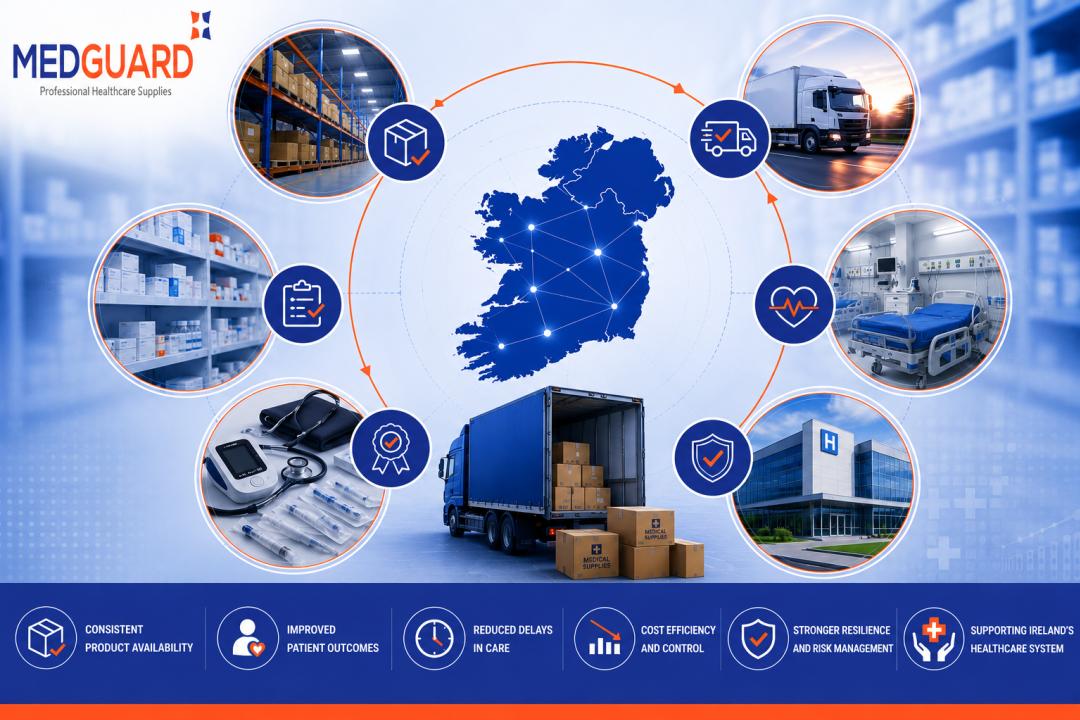
Ireland’s healthcare sector depends heavily on efficient medical supply chains to ensure hospitals, clinics, laboratories, and healthcare professionals have consistent access to essential medical equipment and healthcare products. From diagnostic tools and patient monitoring systems to protective equipment and examination supplies, reliable procurement systems are critical for maintaining smooth healthcare operations and delivering high standards of patient care.
However, healthcare providers across Ireland continue to face growing supply chain challenges caused by global disruptions, rising operational costs, increased healthcare demand, and product shortages. These issues have highlighted the importance of stronger procurement strategies, supplier reliability, and long-term supply chain planning within the healthcare industry.
As healthcare organisations adapt to these challenges, many are implementing more proactive approaches to improve supply stability, reduce operational risks, and maintain uninterrupted patient care.
Rising Costs Across the Healthcare Supply Chain
One of the most significant challenges affecting Ireland’s medical supply chain is the rising cost of healthcare products and equipment. Global inflation, increased manufacturing expenses, higher transportation costs, and supply shortages have all contributed to higher procurement prices across the healthcare sector.
Healthcare providers are experiencing increased costs for:
- Diagnostic equipment
- Protective healthcare products
- Medical consumables
- Clinical examination tools
- Patient monitoring systems
These rising expenses place additional pressure on healthcare budgets, especially for smaller clinics and independent healthcare providers.
To manage these financial challenges, many healthcare organisations are focusing on long-term procurement strategies rather than short-term cost reduction. Providers are increasingly evaluating equipment based on reliability, durability, and lifecycle value instead of simply choosing the lowest-priced products.
Global Supply Chain Disruptions
Global supply chain disruptions have also created major procurement difficulties for healthcare providers across Ireland. Delays in international manufacturing, shipping congestion, raw material shortages, and transportation issues have affected the availability of essential healthcare supplies.
Many healthcare facilities have experienced:
- Delayed equipment deliveries
- Product shortages
- Unpredictable lead times
- Limited inventory availability
- Increased emergency procurement costs
These disruptions demonstrated the risks of depending too heavily on limited suppliers or single sourcing regions.
In response, healthcare providers are now diversifying supplier networks and building stronger procurement partnerships to improve supply chain resilience.
Supplier Reliability and Product Availability
Maintaining consistent product availability remains a major concern within Ireland’s healthcare sector. Hospitals and clinics rely on uninterrupted access to essential medical products to support daily clinical operations and patient care.
Unreliable supply availability can lead to:
- Delayed treatments
- Reduced operational efficiency
- Increased pressure on healthcare staff
- Workflow disruptions
- Higher emergency sourcing costs
Healthcare providers are therefore placing greater emphasis on supplier reliability when selecting procurement partners.
Many organisations are now prioritising suppliers that offer:
- Stable inventory availability
- Faster delivery timelines
- Strong communication
- Reliable after-sales support
- Better emergency response capabilities
Developing long-term supplier relationships helps healthcare facilities improve procurement planning and reduce the risk of unexpected shortages.
Inventory Management Challenges
Poor inventory management can also contribute to supply chain disruptions within healthcare environments. Without accurate stock monitoring, healthcare facilities may experience overstocking, product waste, or shortages of essential medical supplies.
Many healthcare organisations are now improving inventory management through digital tracking systems and data-driven procurement planning.
Better inventory management helps providers:
- Monitor stock levels in real time
- Forecast product demand more accurately
- Reduce unnecessary spending
- Prevent emergency shortages
- Improve operational efficiency
By using modern inventory systems, healthcare facilities can respond more effectively to supply fluctuations and changing patient demand.
Maintaining Product Quality Under Cost Pressure
As procurement costs continue rising, some healthcare providers face pressure to reduce expenses by sourcing lower-cost products. However, compromising on product quality can create serious operational and clinical risks.
Low-quality medical equipment may result in:
- Equipment failures
- Reduced diagnostic accuracy
- Increased maintenance costs
- Shorter product lifespan
- Higher replacement frequency
Healthcare providers across Ireland increasingly recognise that reliable, clinically tested equipment provides better long-term value despite higher initial costs.
This shift toward value-based procurement helps healthcare organisations maintain patient safety and reduce avoidable operational disruptions.
Workforce and Operational Pressures
Healthcare supply chain challenges also place additional strain on healthcare staff and operational workflows. Procurement delays and equipment shortages often force staff to spend more time managing supply issues instead of focusing on patient care.
Operational challenges may include:
- Delayed procedures
- Increased administrative workload
- Reduced clinical efficiency
- Higher pressure on procurement teams
To improve operational stability, healthcare facilities are investing in more efficient procurement systems, automation technologies, and supply chain planning tools.
These improvements help reduce manual processes and improve coordination between procurement teams, suppliers, and healthcare departments.
Preparing for Future Supply Chain Risks
Healthcare organisations across Ireland are increasingly focusing on long-term supply chain resilience to prepare for future disruptions. Rather than reacting to shortages after they occur, providers are implementing more proactive strategies to improve procurement stability.
Many healthcare facilities are now:
- Diversifying supplier networks
- Strengthening supplier partnerships
- Increasing inventory visibility
- Investing in procurement technology
- Improving demand forecasting
These strategies help healthcare organisations reduce operational risks while maintaining more stable healthcare services.
As healthcare demand continues growing, resilient supply chain management will remain essential for supporting efficient healthcare delivery and protecting patient outcomes.
Conclusion
Ireland’s healthcare sector continues to face several supply chain challenges, including rising procurement costs, global disruptions, product shortages, and inventory management difficulties. These issues have increased pressure on healthcare providers to improve procurement efficiency and operational resilience.
In response, healthcare organisations are adopting more strategic approaches that focus on supplier reliability, inventory management, long-term planning, and product quality. By strengthening supply chain systems and improving procurement processes, healthcare providers can reduce disruptions and maintain consistent patient care.
As the healthcare landscape continues evolving, reliable and resilient medical supply chains will remain critical for supporting operational efficiency, financial sustainability, and high standards of healthcare delivery across Ireland.
Original Source : https://znnews.online/balancing-cost-quality-and-availability-in-medical-supply-chains-in-ireland/