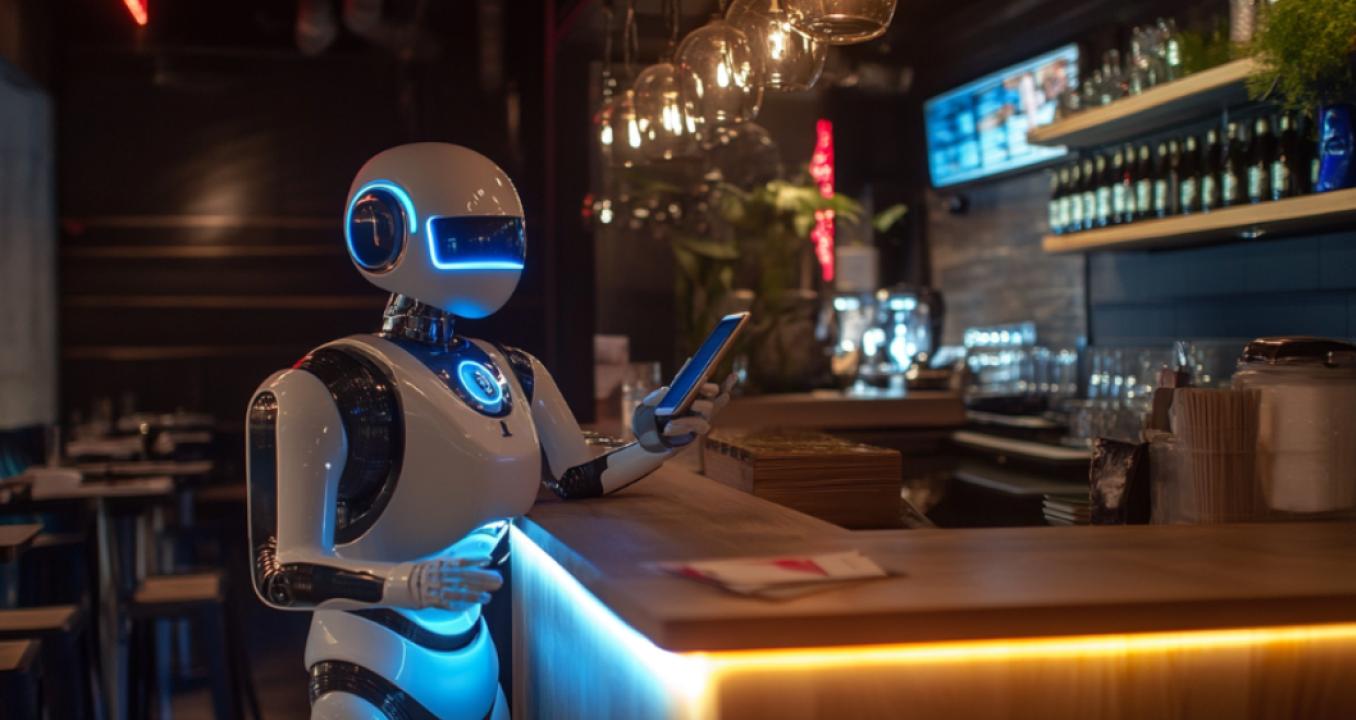
The restaurant industry is undergoing a major digital transformation, and one of the most impactful innovations driving this change is AI Voice Ordering for Restaurants. As customer expectations continue to evolve toward faster, more convenient, and contactless experiences, restaurants are increasingly adopting AI-powered voice systems to streamline order-taking, reduce operational pressure, and improve overall service efficiency.
From drive-thrus and phone orders to in-restaurant kiosks and smart devices, AI voice technology is redefining how customers interact with food service businesses. What was once a manual, error-prone process is now becoming a seamless, automated, and intelligent conversation between customers and AI systems.
What Is AI Voice Ordering for Restaurants?
AI Voice Ordering for Restaurants refers to the use of artificial intelligence-powered voice systems that allow customers to place food orders through natural spoken conversations.
Instead of interacting with a human staff member or navigating complex menus, customers can simply speak their order. The AI system understands intent, processes menu options, confirms selections, and places the order directly into the restaurant’s POS or order management system.
These systems are powered by technologies such as:
- Automatic Speech Recognition (ASR)
- Natural Language Processing (NLP)
- Large Language Models (LLMs)
- Text-to-Speech (TTS)
- Conversational AI engines
- Restaurant POS integrations
The result is a smooth, human-like ordering experience that improves both speed and accuracy.
Why Restaurants Are Adopting AI Voice Ordering Systems
The adoption of AI voice ordering is growing rapidly across quick-service restaurants (QSRs), cafes, fast-food chains, and even full-service dining establishments.
The main reasons behind this shift include:
Faster Order Processing
AI voice systems can handle multiple orders simultaneously without delays, reducing customer wait times and improving service speed.
Reduced Human Error
Miscommunication during manual order-taking is a common issue in restaurants. AI voice systems help eliminate errors by accurately capturing customer requests.
Lower Operational Costs
By automating repetitive ordering tasks, restaurants can reduce dependency on large front-desk or drive-thru staff.
24/7 Availability
AI voice ordering systems can operate continuously, enabling restaurants to take orders even during peak hours or off-peak times.
Improved Customer Experience
Customers enjoy faster, more convenient, and contactless ordering experiences without waiting in long queues or dealing with miscommunication.
How AI Voice Ordering Systems Work
AI voice ordering systems follow a structured process to ensure smooth and accurate order handling.
Step 1: Voice Input Capture
The customer speaks their order through a phone call, kiosk, or smart device.
Step 2: Speech Recognition
The system converts spoken language into text using advanced speech recognition models.
Step 3: Intent Understanding
Natural language processing identifies the customer’s intent, menu items, and customization requests.
Step 4: Menu Matching
The AI system maps the request to the restaurant’s digital menu and confirms availability.
Step 5: Order Confirmation
The system repeats the order back to the customer for confirmation.
Step 6: Order Processing
Once confirmed, the order is sent directly to the restaurant’s POS or kitchen display system.
Key Features of AI Voice Ordering for Restaurants
Modern AI voice ordering solutions come with advanced capabilities designed to enhance restaurant operations.
Natural Language Understanding
The system can interpret different accents, speech patterns, and conversational >
Multi-Menu Support
Restaurants can manage complex menus with customization options, add-ons, and combo meals.
POS Integration
Seamless integration with existing restaurant systems ensures smooth order management.
Multilingual Support
AI systems can interact with customers in multiple languages, improving accessibility.
Real-Time Analytics
Restaurants can track order trends, peak hours, and customer preferences through AI-driven insights.
Use Cases Across the Restaurant Industry
AI voice ordering is being widely adopted across different segments of the food service industry.
Quick-Service Restaurants (QSRs)
Fast-food chains use AI voice systems in drive-thrus to handle high order volumes efficiently.
Cafes and Coffee Shops
AI assistants help manage repetitive drink customization orders and reduce wait times during peak hours.
Cloud Kitchens
AI voice systems streamline online and phone-based ordering processes in delivery-focused kitchens.
Full-Service Restaurants
Restaurants use AI voice ordering for reservations, takeout orders, and customer support automation.
Challenges in AI Voice Ordering Adoption
Despite its benefits, restaurants must address several challenges before implementing AI voice systems.
- Handling complex menu customizations
- Ensuring accurate accent recognition
- Integrating with legacy POS systems
- Managing peak-hour traffic efficiently
- Maintaining data privacy and security
Continuous model training and system optimization are essential for long-term success.
The Future of AI Voice Ordering for Restaurants
The future of AI voice ordering is moving toward more intelligent, context-aware, and personalized dining experiences. With advancements in generative AI and conversational systems, future AI voice assistants will be able to:
- Recommend dishes based on customer preferences
- Upsell and cross-sell menu items intelligently
- Handle full conversational ordering experiences
- Integrate with loyalty programs and payment systems
- Provide real-time menu updates and availability insights
As adoption grows, AI voice ordering will become a standard part of restaurant operations, especially in fast-paced and high-volume environments.
Conclusion
AI Voice Ordering for Restaurants is revolutionizing the food service industry by automating order processing, improving accuracy, and enhancing customer experiences. As restaurants continue to embrace digital transformation, AI-powered voice systems are becoming a key driver of operational efficiency and customer satisfaction.
Businesses that invest in AI voice ordering technology today will be better positioned to scale operations, reduce costs, and deliver faster, smarter, and more personalized dining experiences in the future.