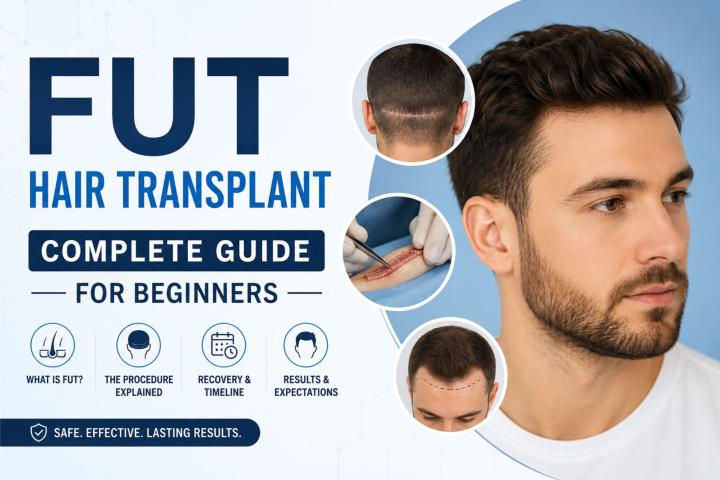
Hair loss can affect your confidence in ways that are hard to put into words. Whether you have been dealing with a receding hairline for years or noticed thinning more recently, the idea of doing something permanent about it can feel both exciting and overwhelming. If you have started researching surgical hair restoration, you have likely come across the term FUT. This guide breaks everything down in simple, straightforward language so you know exactly what to expect.
A fut hair transplant, which stands for Follicular Unit Transplantation, is one of the two main surgical methods used to restore hair permanently. It has been around for decades and remains a trusted option for people who want significant coverage in a single session. Understanding how it works, who it suits, and what the process involves will help you make a more informed decision about your hair restoration journey.
What Exactly Is a FUT Hair Transplant?
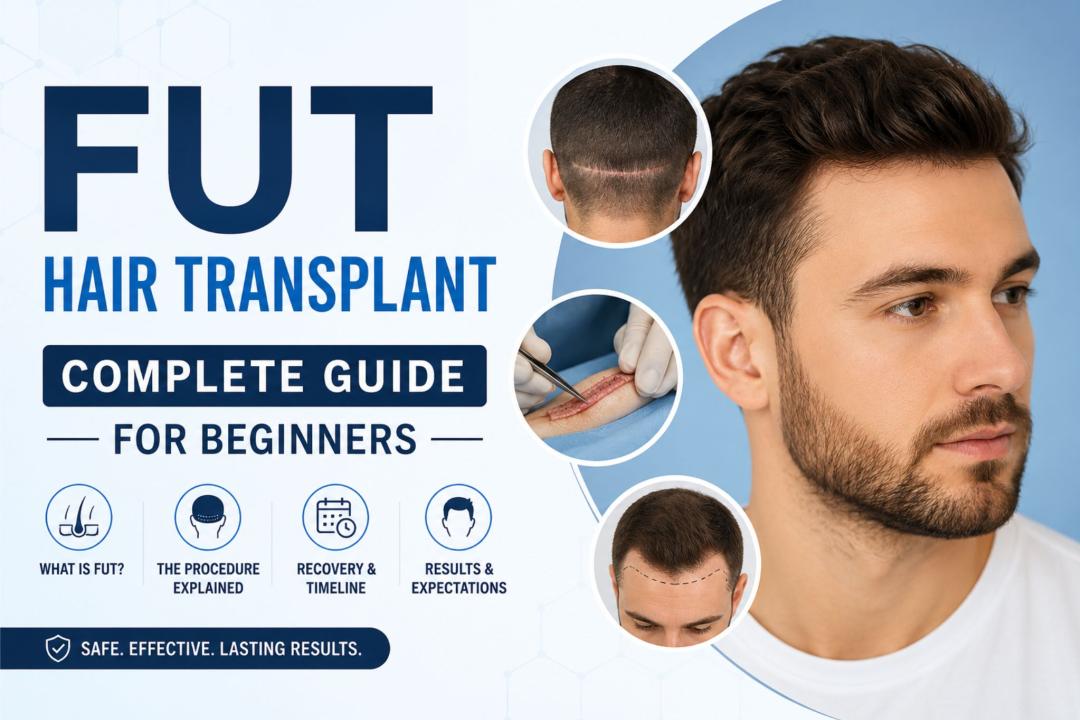
FUT involves removing a thin strip of skin from the back of the scalp, an area known as the donor zone. This strip contains healthy hair follicles that are naturally resistant to the hormones responsible for hair loss. The strip is then carefully divided under a microscope into individual follicular units, which are tiny groupings of one to four hairs each. These units are then implanted into the thinning or bald areas of the scalp.
The back and sides of the head are used as the donor area because the hair there tends to be permanent. Even in people with significant hair loss, this zone typically remains unaffected, which is what makes it so valuable for transplantation.
How Is FUT Different From FUE?
The main difference between FUT and FUE (Follicular Unit Extraction) lies in how the donor hair is harvested. FUE removes individual follicles one by one, leaving tiny circular scars scattered across the scalp. FUT, on the other hand, removes a single strip, which results in a linear scar that runs across the back of the head.
FUT is often preferred when a larger number of grafts are needed in one session, as it allows surgeons to harvest more follicles efficiently. The linear scar can usually be hidden by hair grown to a medium length, so it is not a concern for most patients who do not plan to shave their heads completely.
Who Is a Good Candidate?
FUT works best for people who have experienced significant hair loss and need a high volume of grafts to achieve good coverage. It is also well suited to those who are comfortable keeping their hair at a length that covers the back of the head.
Ideal candidates are generally in good overall health, have realistic expectations, and have hair loss that has either stabilised or is being managed medically. A proper consultation with a qualified hair restoration specialist is essential before making any decisions, as each person's donor area, hair characteristics, and loss pattern are unique.
What Happens During the Procedure?
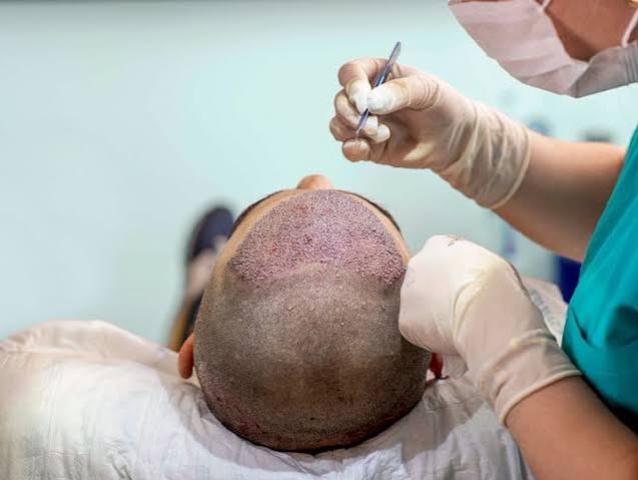
The procedure is carried out under local anaesthesia, so you remain awake throughout but feel no pain. Most patients describe the initial injections as mildly uncomfortable, but once the anaesthetic takes effect, the process is entirely pain-free.
The surgeon removes the donor strip, closes the area with sutures, and the team then gets to work preparing the grafts under magnification. This preparation stage is crucial because the quality of the grafts directly affects how natural the final result looks. Once ready, the follicular units are carefully placed into tiny incisions made in the recipient area, following the natural direction and angle of your existing hair.
Depending on the number of grafts being transplanted, the procedure typically takes anywhere from four to eight hours. Most patients find it manageable and spend the time relaxing, listening to music, or watching something on a screen.
Recovery and Aftercare
The first few days after a fut hair transplant involve some swelling, tenderness, and scabbing around the transplanted area. This is completely normal and settles within a week or two. Most people feel comfortable returning to desk-based work within a few days, though more physical activity should be avoided for a couple of weeks.
Your surgeon will provide specific aftercare instructions, which typically include how to wash your hair gently, what products to avoid, and when you can resume normal activities. Following these instructions carefully makes a real difference to the quality of your results.
Caring for your hair gently during recovery is important, and many patients find that switching to mild, nourishing products makes the process more comfortable.
When Will You See Results?
Hair growth after a transplant follows a predictable pattern. The transplanted hairs will shed within the first few weeks, which can feel alarming but is completely normal. New growth begins to appear around three to four months after the procedure, and significant improvement becomes visible between six and nine months. Full results are typically seen at the twelve to eighteen month mark.
Patience is key during this process. The end result, when performed by an experienced surgeon, looks entirely natural and permanent.
Is FUT Still Worth Considering Today?
Absolutely. Despite the rise in popularity of FUE, FUT remains a highly effective technique, particularly for patients who need maximum graft numbers or have a tighter donor area. Many leading hair restoration surgeons still consider it the gold standard for certain cases. The right technique depends entirely on your individual situation, which is why professional guidance matters so much.
Take the First Step Today
If you are seriously considering hair restoration and want to understand which method is right for you, The Skin and Hair Clinic offers expert consultations with experienced specialists who will assess your hair loss, explain your options honestly, and help you build a treatment plan that suits your goals. Visit theskinandhairclinic.co.uk to book your consultation and start your journey toward permanent, natural-looking hair restoration with confidence.
Frequently Asked Questions
Is FUT painful?
The procedure itself is not painful because it is carried out under local anaesthesia. There may be some discomfort during the initial injections, and mild soreness in the days following the procedure, but this is manageable with standard pain relief.
Will the scar from FUT be visible?
The linear scar is placed low on the back of the head and can be easily covered by hair of medium length. For most patients, it is not a visible concern in everyday life.
How many grafts can be harvested in one FUT session?
Depending on the size and quality of the donor strip, FUT can yield anywhere from 2,000 to 4,000 or more grafts in a single session, which makes it particularly effective for larger areas of hair loss.
How long do FUT results last?
Because the transplanted follicles come from the permanent donor zone, the results are designed to be long-lasting. Most patients enjoy permanent hair growth from the transplanted follicles.
Can women have a FUT hair transplant?
Yes, women can be suitable candidates for FUT depending on their pattern of hair loss and donor area characteristics. A specialist consultation will determine whether it is the right approach.