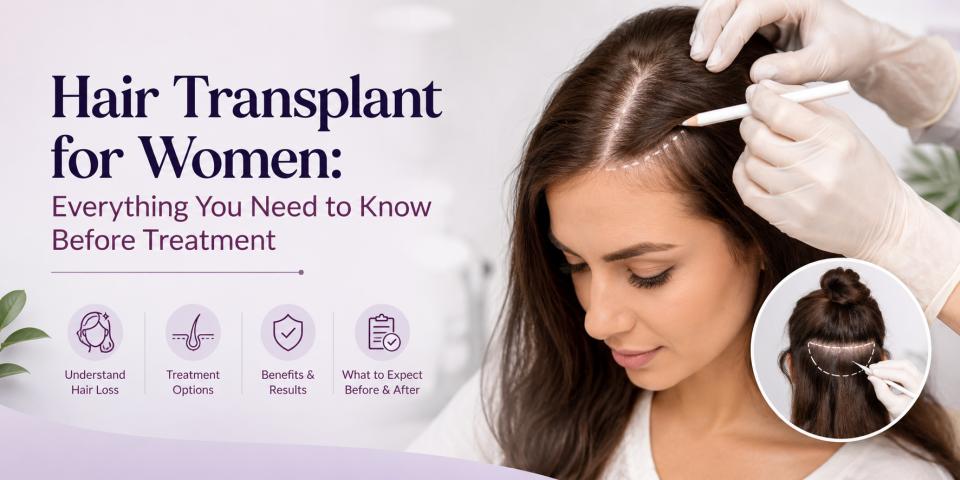
Hair loss is often associated with men, but millions of women also experience thinning hair, receding hairlines, and noticeable bald patches. For many women, hair plays an important role in confidence and personal identity, which is why hair loss can feel emotionally challenging. Thankfully, modern cosmetic treatments now provide long-term solutions that can restore both hair growth and self-esteem.
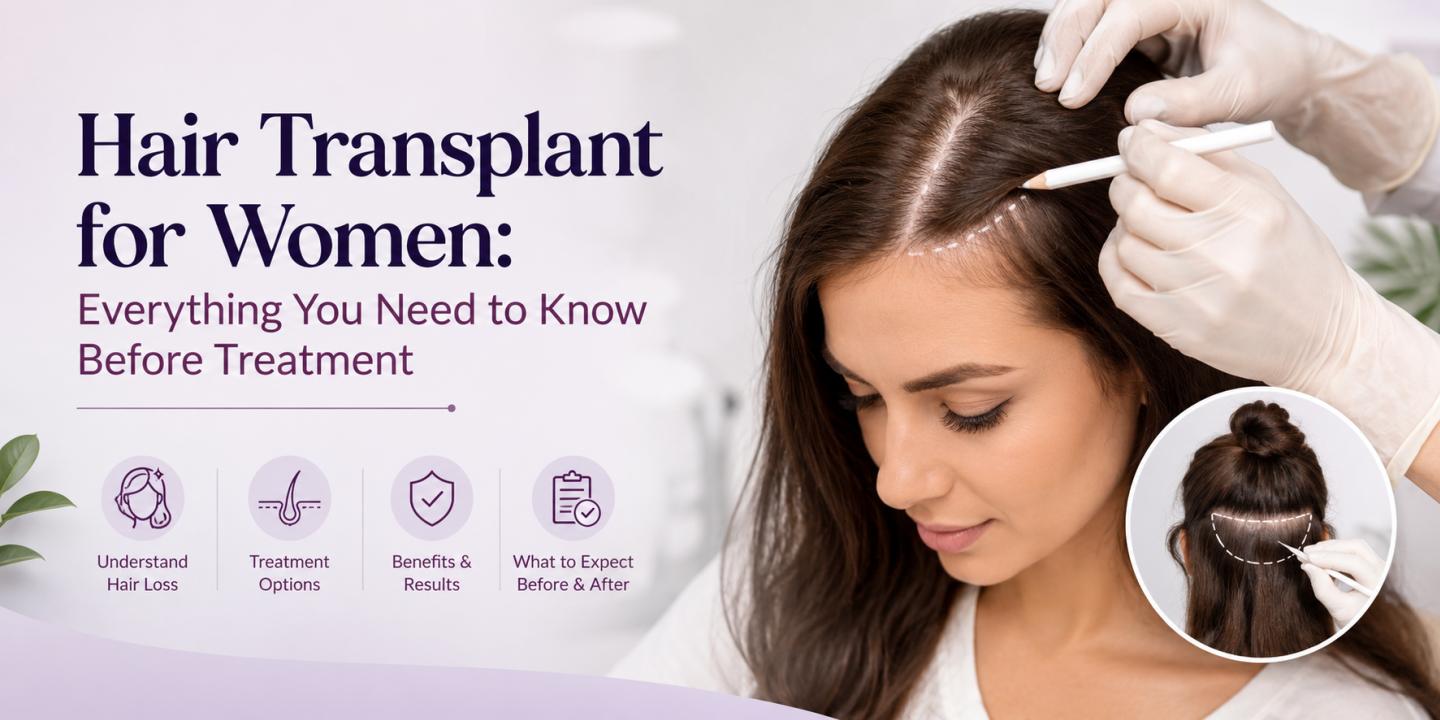
One of the most effective options available today is a hair transplant for women, a procedure designed to move healthy hair follicles from one part of the scalp to areas affected by thinning or baldness. With advancements in medical technology, women can now achieve natural-looking results with minimal downtime and long-lasting improvement.
At The Skin and Hair Clinic, specialists work closely with patients to create personalised treatment plans that match their hair type, hair loss pattern, and desired outcome. Understanding the process before treatment can help you make informed decisions and feel more confident about the journey ahead.
What Causes Hair Loss in Women?
Female hair loss can happen for many different reasons. Some women experience gradual thinning due to genetics, while others may lose hair because of hormonal changes, stress, or medical conditions.
Common causes of female hair loss include:
- Genetics and hereditary thinning
- Hormonal imbalances
- Pregnancy and menopause
- Stress and anxiety
- Nutritional deficiencies
- Excessive heat or chemical treatments
- Medical conditions such as alopecia
Identifying the cause of hair loss is one of the first and most important steps before considering any treatment. A professional consultation can help determine whether a transplant procedure is the right option for you.
What Is a Hair Transplant Procedure?
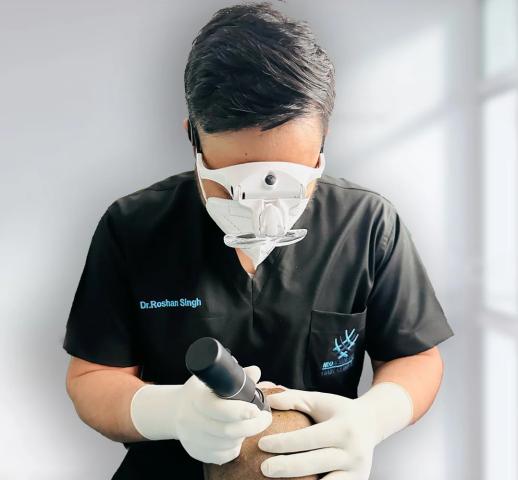
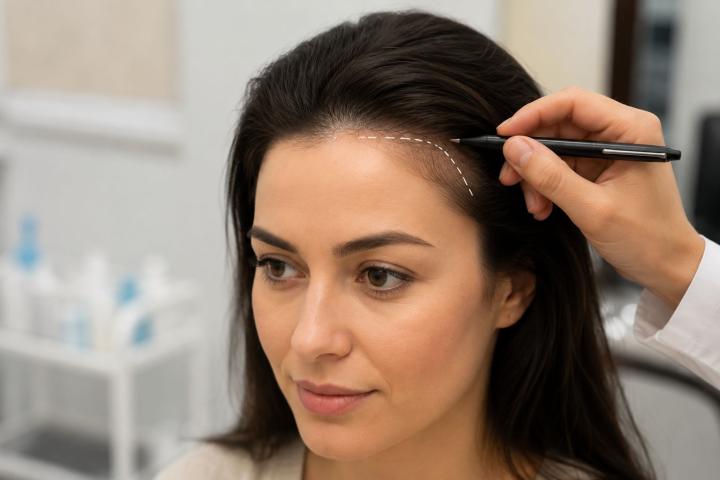
A hair transplant is a minimally invasive cosmetic procedure that involves extracting healthy hair follicles from a donor area, usually the back or sides of the scalp, and implanting them into thinning or balding areas.
The transplanted follicles continue to grow naturally in their new location, providing permanent and natural-looking hair growth over time.
Modern procedures commonly use two advanced methods:
FUE (Follicular Unit Extraction)
FUE involves removing individual hair follicles and placing them into targeted areas. This method is popular because it leaves tiny scars and offers faster recovery.
DHI (Direct Hair Implantation)
DHI uses a specialised implantation tool that allows surgeons to place follicles directly into the scalp with precision. This technique can help create dense and natural hairlines.
At The Skin and Hair Clinic, experienced professionals evaluate each patient carefully to decide which method will provide the best outcome.
Who Is a Good Candidate?
Not every woman experiencing hair loss is automatically suitable for transplant surgery. The success of the procedure depends on several important factors.
Good candidates often include women who:
- Have stable hair loss patterns
- Possess healthy donor hair
- Experience thinning rather than complete baldness
- Are in good general health
- Have realistic expectations about results
Women with widespread hair loss across the entire scalp may require alternative treatments instead of surgery. A detailed consultation and scalp assessment can help determine eligibility.
What Happens During the Consultation?
Before treatment begins, patients usually attend an in-depth consultation with a specialist. This stage is essential because it allows the clinic to understand your goals, medical history, and hair condition.
During the consultation, the specialist may:
- Examine your scalp and hair density
- Discuss your hair loss history
- Review previous treatments
- Explain available transplant methods
- Estimate the number of grafts needed
- Discuss recovery and expected results
The consultation is also the perfect time to ask questions and understand the full process before making a final decision.
Preparing for the Procedure
Preparation plays an important role in ensuring successful treatment and smooth healing. Patients are often given specific instructions before surgery.
These may include:
- Avoiding smoking and alcohol
- Stopping certain medications if advised
- Washing the hair thoroughly before treatment
- Avoiding harsh styling products
Following pre-procedure instructions carefully can help improve healing and reduce complications.
What to Expect During Recovery
Recovery after a transplant procedure is generally manageable, especially with modern techniques like FUE and DHI. Most women can return to light daily activities within a few days.
Common recovery experiences include:
- Mild swelling
- Temporary redness
- Scabbing around implanted follicles
- Minor discomfort
Patients are usually advised to avoid intense exercise, direct sunlight, and scratching the scalp during the healing phase.
Hair shedding may occur in the first few weeks after treatment, but this is completely normal. New hair growth typically begins within a few months, with full results becoming visible over time.
How Long Do Results Last?
One of the biggest advantages of a transplant procedure is that results are generally permanent. The transplanted follicles are resistant to the hormone responsible for pattern hair loss, allowing them to continue growing naturally.
However, maintaining healthy hair still requires proper care, including:
- Balanced nutrition
- Gentle hair care routines
- Stress management
- Regular follow-up appointments
Some patients may also benefit from additional therapies to support overall scalp health and hair density.
Risks and Considerations
Like any cosmetic procedure, hair transplants come with some risks. While complications are uncommon when performed by experienced professionals, it is important to understand possible side effects.
Potential risks may include:
- Infection
- Swelling
- Temporary numbness
- UnevenUneven growth
- Minor scarring
Choosing a reputable clinic with qualified specialists greatly reduces these risks and improves overall results.
Emotional Benefits of Hair Restoration
Hair restoration is not only about appearance. Many women report feeling more confident, youthful, and comfortable after treatment. Improved self-esteem can positively impact social interactions, professional life, and overall well-being.
A successful hair transplant for Women can help restore a sense of confidence that hair loss may have affected for years.
At The Skin and Hair Clinic, the focus is not only on restoring hair but also on supporting patients throughout their entire transformation journey.
Choosing the Right Clinic
Selecting the right clinic is one of the most important decisions you can make. Experience, technology, patient care, and proven results all matter when considering treatment.
Before choosing a clinic, consider:
- Surgeon qualifications
- Before-and-after results
- Patient reviews
- Treatment methods available
- Hygiene and safety standards
- Consultation quality
A trusted clinic will always provide honest advice and realistic expectations rather than promising instant or unrealistic results.
Ready to Restore Your Confidence with Expert Hair Restoration?
Hair loss can feel frustrating and emotionally difficult, but modern restoration procedures now offer reliable and natural-looking solutions for women seeking long-term improvement. Understanding the treatment process, recovery expectations, and suitability criteria can help you make confident decisions about your hair restoration journey.
Discover advanced hair restoration solutions designed to create natural-looking, fuller hair with long-lasting results. Book your consultation today and start your journey toward renewed confidence.