
A hair transplant is only half the story. The result is
usually determined by what is done in the days after. Patients tend to get so
involved with selecting the right clinic that they forget that healing is
equally important. Sometimes, a little time and patience can avoid some painful
disappointment.
Why the Healing
Period Shapes Final Results
Before new hair begins to become visible, there are
various healing phases the scalp will undergo. These phases require different
treatment techniques, variations of mild cleansers, and prevention of exposure
to the sun’s rays and no physical stress. If this regimen is maintained through
this period, the transplanted follicles stand a greater chance of survival and
growth.
Day One after the
Procedure
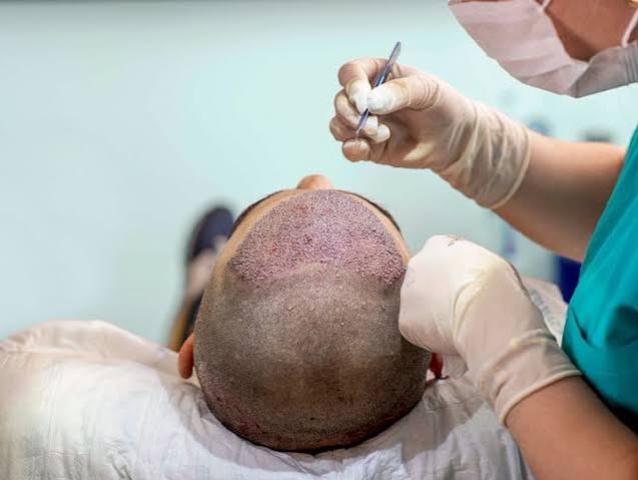
Your scalp will be tender and a little swollen
immediately following the procedure; this is expected at this point. Elevating
the head while resting during the first night post-procedure will help minimise
swelling and avoid pressure on the area. Do not touch or scratch the scalp, not
even if it begins to itch within hours, and follow the directions for any
medication that’s been given to you.
Day Two and Three
Care
Gentle swelling of the forehead and around the eyes can
occur during this time as the fluids still settle. Cold compresses around the
eyes, avoiding direct contact with the grafts, may be used to help comfort
without disturbing the new follicles. Rest is most important, and strenuous
activity and bending must still be avoided.
First Week Healing
Process
Soft washing often develops from day four, with a gentle shampoo recommended by the clinic to use beforehand. Good hair transplant aftercare during this phase involves not scrubbing, due to the grafts still settling into place. Little scabs begin to develop over each graft, and picking at them can be disastrous for fresh follicles. Avoiding dust, sweat, and direct sunlight helps to heal the new roots.
Second Week Recovery Signs
The majority of the scabs will tend to loosen themselves
off during the course of the second week with minimal assistance. It is common
for there to be some shedding of the transplanted hair shafts during this
period, which can sometimes lead to certain apprehension from patients. This
shedding is a very normal part of the cycle in that the follicle remains intact
underneath the skin. Permitted daily activities can be continued at this stage,
such as light walking, etc.
However, the gym and vigorous exercise should still be avoided.
Weeks Three and Four
The redness on the scalp diminishes significantly throughout these two weeks, which makes the hair loss area look much calmer. Hair growth has not been initiated yet, and the scalp might still look as it did before the operation. Follow the instructions for sun protection and gentle scalp treatment as they were given during the earlier weeks.
One Month and Beyond
The new hairs will start to grow back around 3 months, and initially they are very fine and soft. In a few months, they will reach full thickness, along with texture and colour as the follicles mature. Regular follow-up appointments ensure you know how you’re doing and can catch any issues before they get out of hand. Remember, patience is key at this stage, and no product will hasten the growth.
Common Mistakes to Avoid
Applying tight caps or helmets soon after the procedure can put undue pressure on vulnerable grafts and cause healing issues. Colouring or styling the hair prior to having the clinic approve it can result in undesirable scalp irritation. Not returning to the clinic for check-ups can delay diagnosis of bacterial infection or unexpected growth patterns.
Choosing the Right Hair Specialist Surgeons
Recovery is less painful and smoother when the operation is performed properly, and the aftercare instructions are given clearly from day 1. The best hair specialist in Allahabad will inform and guide you about what to expect in realistic terms based on your own scalp condition. Good specialists will inform the patient about every step so that there are no surprises in the course of the healing process. This makes the whole healing process much less stressful.
Final Thoughts
on Recovery
Recovery after a hair transplant happens over months, not hours, and every phase has its own small contribution. Observing the correct procedures at the correct times ensures the grafts are safeguarded and ideal, permanent growth occurs. Time, tenderness, and communication with the clinic have the greatest influence on an outcome. Minor procedures in recuperation often determine the visual outcome for decades to come.