Most people approach hair restoration as an either-or decision. Either you get a transplant or you try something else. But a growing number of patients in Trivandrum are discovering that combining a hair transplant with scalp micropigmentation delivers results that neither treatment achieves as effectively on its own.
This is not a new concept in hair restoration it is simply one that does not get discussed as openly as it should. Understanding why some patients choose both, and when that combination genuinely makes sense, can completely change how you think about your own treatment options.
What Each Treatment Does on Its Own
Before getting into why combining them works, it helps to be clear about what each approach actually delivers individually.
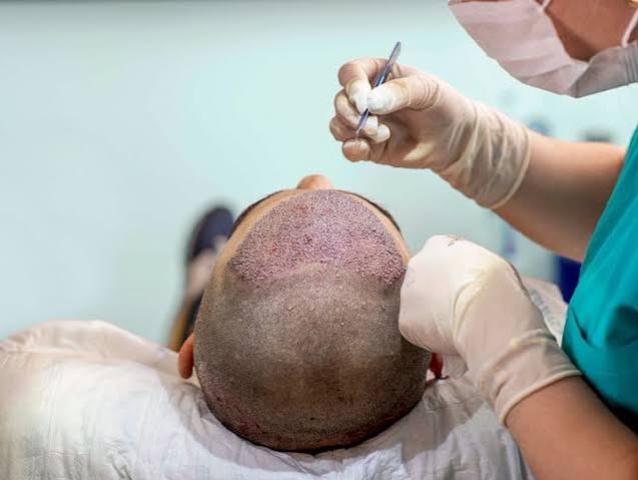
A hair transplant in Trivandrum is a surgical procedure that relocates living hair follicles from a donor area, typically the back and sides of the scalp to thinning or bald regions. Those follicles produce real hair that grows naturally and behaves exactly like the rest of your hair. Results are largely permanent when performed well.
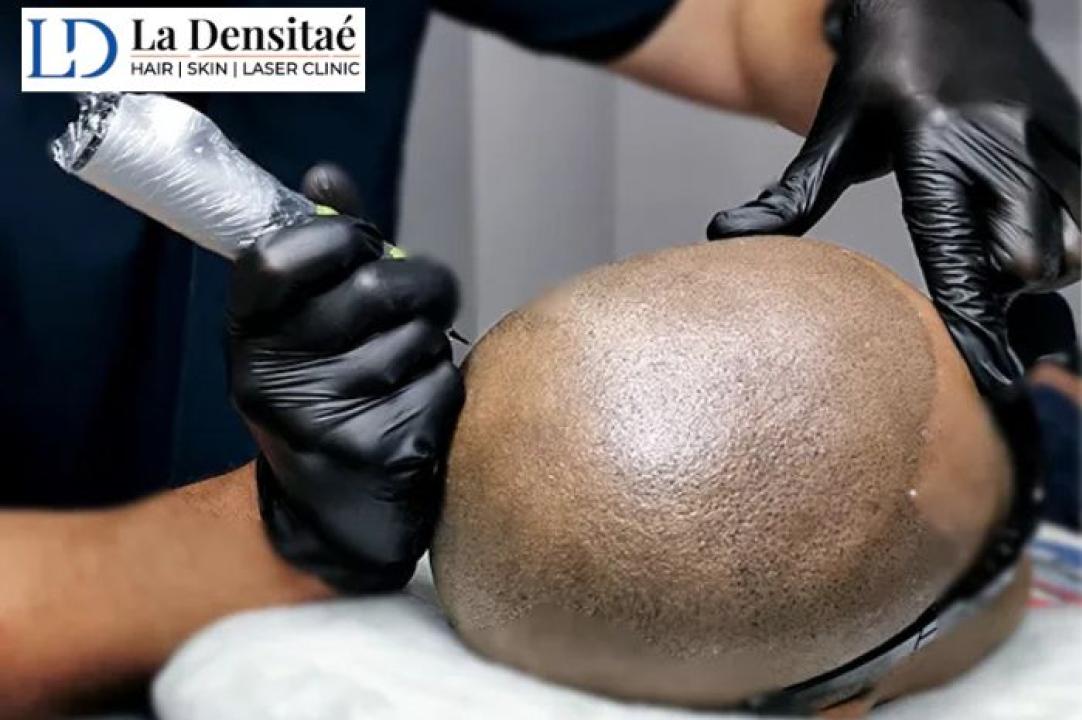
Scalp micropigmentation is a non-surgical cosmetic procedure that uses specialised pigment deposited into the scalp to create the appearance of hair follicles. It does not produce real hair growth; it creates a convincing visual impression of density or a shaved head look, depending on the patient's goals. Results last several years before requiring maintenance.
Both are legitimate, clinically recognized approaches. The interesting thing is where their individual limitations are because that is exactly where combining them adds value.
Where a Hair Transplant Has Limitations
A hair transplant works brilliantly for restoring hair in specific areas, but it is constrained by one fundamental factor donor supply. The number of grafts available from the donor area is finite, and for patients with advanced hair loss, that supply may not be enough to fully cover every area that needs attention.
This creates situations where a transplant successfully restores the hairline and crown but leaves surrounding areas looking thinner than the patient hoped. The transplanted zones look great, but the contrast with adjacent thinning areas can still be visible.
Where SMP Fills the Gap
This is where SMP treatment becomes genuinely useful rather than just an alternative option. For patients who have already had a transplant, or are planning one, SMP can be used to add the visual impression of density in areas where grafts cannot fully cover.
Think of it this way. The transplant provides real hair growth in priority areas. SMP fills in the visual gaps in surrounding regions, creating an overall appearance of fuller coverage that the transplant alone could not achieve given the available donor supply.
The result, when both are done well and planned together, is significantly more complete than either treatment in isolation.
The Patients Who Benefit Most From This Combination
Patients With Advanced Hair Loss
For someone dealing with Norwood grade five or six pattern baldness, a hair transplant alone rarely achieves the comprehensive coverage most patients are hoping for. Donor supply simply cannot stretch far enough. Adding SMP to the plan allows the transplanted hair to anchor the result while SMP creates the visual impression of density across areas where grafts were not placed.
Patients Wanting Maximum Density Appearance
Even patients with moderate hair loss sometimes find that their transplant result, while genuinely good, does not look as dense as they hoped in certain lighting conditions. SMP used carefully in those areas can significantly improve the perception of fullness without requiring additional surgical sessions.
Patients Who Prefer a Shaved or Short Style
For patients comfortable wearing their hair very short, the combination of a transplant and SMP is particularly effective. The transplanted hair provides real texture and growth, while SMP ensures the scalp between follicles does not appear noticeably bare against short hair.
How the Planning Process Works
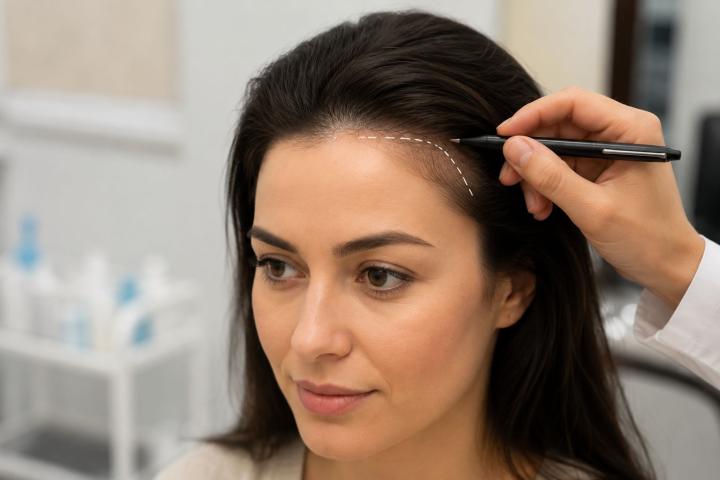
Combining these two treatments requires more careful upfront planning than either approach alone. The sequence matters — most practitioners recommend completing the hair transplant first and allowing full recovery before adding SMP, so the pigment placement can be designed around the actual transplant results rather than projections.
At clinics like those within the Ladensitae network in Trivandrum, under the clinical direction of Dr Gajanan Jadhao, this kind of integrated treatment planning is approached as a single coordinated strategy rather than two separate decisions made independently. This matters more than most patients initially realize — the positioning, density, and tone of SMP needs to complement the transplanted hair rather than compete with it visually.
This reflects the approach consistently recommended within professional hair restoration circles, including frameworks discussed by the ISHRS, which emphasize individualized, holistic treatment planning as the foundation of consistent patient outcomes.
Finding the Right Clinic in Trivandrum
Not every clinic offering both treatments has genuine experience combining them effectively. A hair transplant clinic in Trivandrum that handles both procedures under the same clinical oversight is better positioned to coordinate the planning and execution of a combined approach than one where each treatment is managed separately.
The best hair transplant in Trivandrum outcomes from a combined approach come from clinics where the surgeon understands both techniques well enough to plan how they interact — not just how each performs independently.
Understanding the Cost of a Combined Approach
Hair transplant cost in Trivandrum for a combined approach naturally involves the cost of both procedures. SMP sessions are typically priced separately from the transplant itself, based on the number of sessions needed and the size of the treatment area.
What is worth understanding is that the combined investment often delivers better overall value than two separate procedures planned independently, simply because coordinated planning reduces the likelihood of needing additional corrective sessions later. A transparent clinic will lay out the full cost picture during consultation rather than presenting each component in isolation.
Final Thoughts
Choosing both a hair transplant and scalp micropigmentation is not about indecision; it is about recognising that for certain patients and certain hair loss situations, the combination delivers what neither treatment achieves alone. Real hair growth from the transplant, complemented by the visual density that SMP provides, creates results that are more complete and more natural-looking than either approach in isolation.
For anyone in Trivandrum seriously exploring their options, raising this combination during consultation is worth doing, particularly if donor supply limitations or density concerns have already come up in previous conversations about treatment.