Hair loss can affect confidence and self-image, leading many people to look for reliable ways to restore their hair. Modern hair restoration offers several effective treatments, and understanding each option is the first step toward making the right decision. If you are considering a permanent solution, learning about FUT hair transplant surgery can help you understand how the procedure works and whether it suits your needs.
Understanding the Procedure
Follicular Unit Transplantation (FUT), often called the strip method, is a surgical hair restoration technique that has been used successfully for many years. During the procedure, a surgeon removes a thin strip of healthy scalp from the back or sides of the head, where hair is naturally resistant to thinning. This donor area is then carefully closed with fine stitches, leaving a thin scar that is usually hidden beneath surrounding hair.
The removed strip is divided into tiny natural follicular units under a microscope. Each unit contains one to four hair follicles. These grafts are then implanted into areas affected by hair loss, following the natural direction and angle of existing hair. The goal is to create a fuller, natural-looking hairline and improve overall hair density.
Who Is a Good Candidate?
Not everyone experiences hair loss in the same way, so suitability depends on several factors. You may be a good candidate if you:
- Have moderate to advanced hair loss.
- Have healthy donor hair at the back or sides of your scalp.
- Prefer achieving a high number of grafts in a single session.
- Are in good general health.
- Have realistic expectations about the outcome.
A professional consultation is essential before treatment. A hair restoration specialist will examine your scalp, assess your hair loss pattern, and recommend the most suitable approach based on your goals.
How the Procedure Is Performed
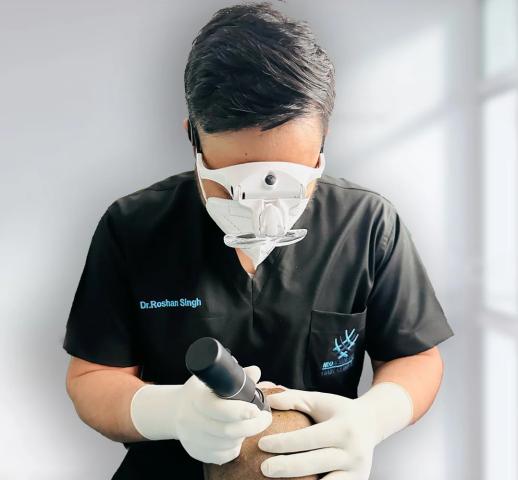
The treatment is completed under local anaesthesia, allowing patients to remain comfortable throughout the procedure.
The process generally includes these steps:
- Preparing the donor area.
- Removing a narrow strip of scalp.
- Closing the donor site with stitches.
- Separating the strip into individual follicular grafts.
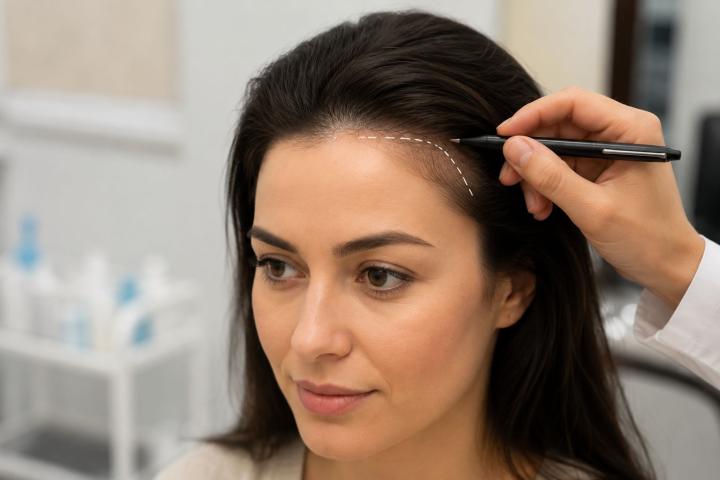
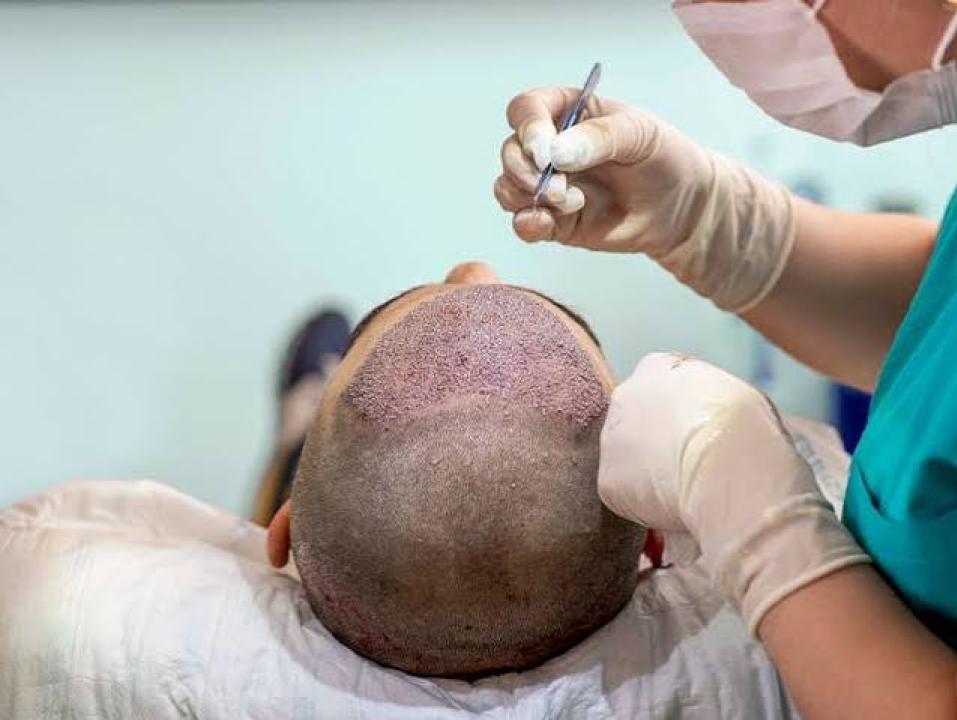
- Creating tiny recipient sites in the thinning area.
- Placing each graft carefully to achieve a natural appearance.
Depending on the number of grafts required, the procedure may take several hours to complete.
Why Many Patients Choose This Method
One reason this technique remains popular is its ability to provide a large number of healthy grafts during one procedure. This makes it especially suitable for people with significant hair loss.
Some of its key advantages include:
- High graft survival rate.
- Excellent coverage for larger bald areas.
- Natural-looking hair growth.
- Efficient use of the donor area.
- Long-lasting and permanent results when properly maintained.
- Often fewer sessions compared to some alternative techniques.
With an experienced surgeon, the final outcome can blend seamlessly with your existing hair.
Recovery After Treatment
Recovery is generally straightforward, although proper aftercare is important for the best results.
Patients may notice:
- Mild swelling during the first few days.
- Slight discomfort around the donor area.
- Small scabs around the transplanted follicles.
- Temporary tightness where the strip was removed.
Most people return to office-based work within one to two weeks, depending on their comfort level.
Following your surgeon's instructions can help reduce complications and encourage healthy healing.
Hair Growth Timeline
Hair restoration is a gradual process that requires patience.
A typical timeline looks like this:
First Month
Some transplanted hairs may shed. This is completely normal and is part of the natural growth cycle.
Months 2–3
The scalp continues healing while new follicles remain beneath the skin preparing for growth.
Months 3–6
Fresh hair begins to emerge, and early improvements become visible.
Months 6–9
Hair becomes thicker and fuller, making a noticeable difference in appearance.
Months 12–18
Final results are usually achieved, with mature, natural-looking hair growth.
FUT vs Other Hair Restoration Methods
Many people compare FUT with other transplant techniques before making a decision.
FUT is often preferred by patients who need a larger number of grafts during one session and usually keep their hair long enough to cover the donor scar.
Other methods may involve extracting follicles individually instead of removing a strip of scalp. While these techniques can offer different benefits, the right choice depends on your pattern of hair loss, hair>
A qualified specialist can explain the advantages and limitations of each option during your consultation.
Are There Any Risks?
Like any surgical procedure, there are some potential risks, although complications are uncommon when treatment is performed by an experienced medical professional.
Possible risks include:
- Minor bleeding.
- Temporary numbness.
- Swelling.
- Infection.
- A thin linear scar at the donor site.
- Temporary shock loss of nearby hair.
Carefully following post-operative instructions greatly reduces the likelihood of complications.
Tips for Better Results
You can help maximise your outcome by following these simple recommendations:
- Choose an experienced and qualified hair transplant surgeon.
- Follow all aftercare instructions carefully.
- Avoid smoking before and after treatment if advised.
- Protect your scalp from direct sunlight.
- Avoid strenuous exercise during the early healing period.
- Attend all scheduled follow-up appointments.
Ready to Restore Your Hair with Confidence?
Choosing a hair restoration treatment is an important decision, and understanding your options makes the process much easier. Fut hair transplant surgery remains one of the most trusted techniques for people seeking permanent hair restoration, particularly when a large number of grafts are required. With proper planning, an experienced surgeon, and realistic expectations, patients can achieve natural-looking, long-lasting results that restore both their hair and confidence.