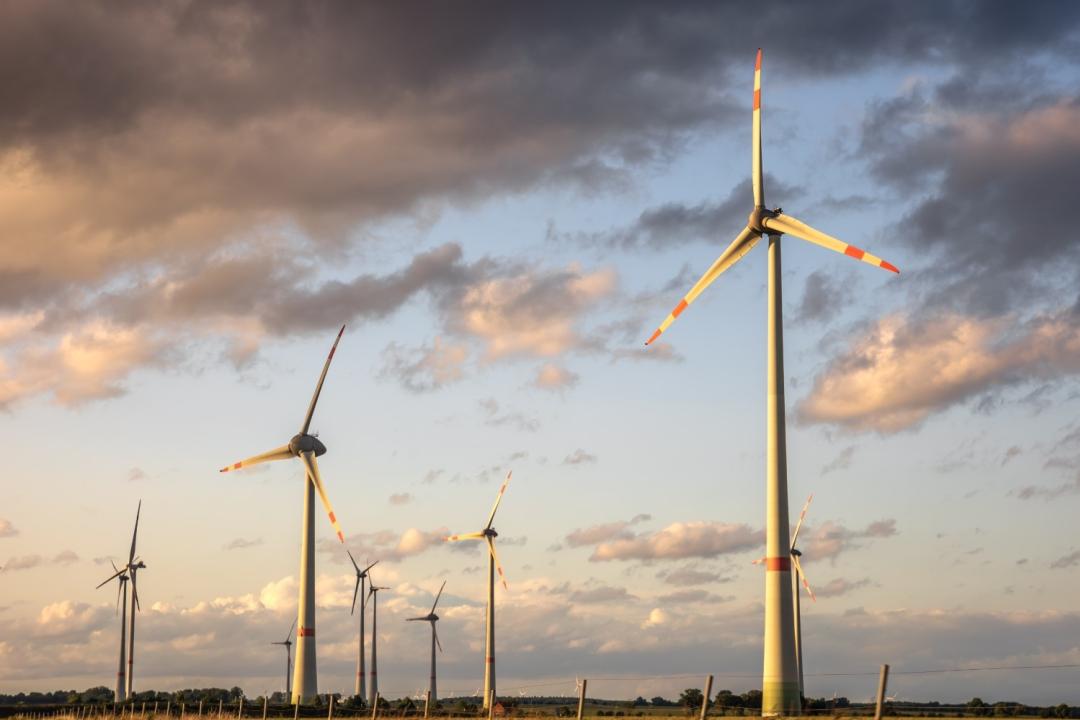
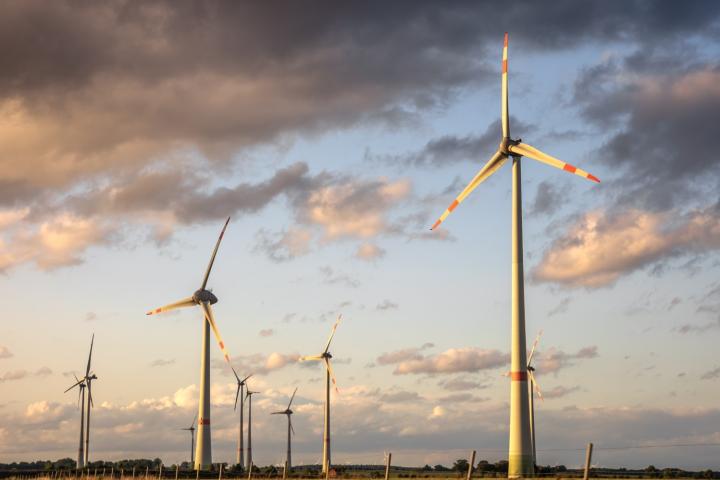
Wind energy is growing fast. Across the globe, energy companies are racing to build more wind farms and increase their output. But here is something many businesses are still missing: the real money is not just in building more turbines. It is in using the data those turbines generate, more intelligently. Companies that get this right are finding new revenue streams they never expected. Those that ignore it are leaving serious money on the table.
What Windpower Data Actually Tells You
Every modern wind installation is a data machine. Sensors track wind speed, rotor performance, temperature, vibration, energy output, and dozens of other variables, every second of the day. This is what windpower data really means in practice: a constant stream of operational signals that, when read correctly, reveals how a turbine is performing and how it could perform better.
Most companies collect this data. Fewer actually use it well. The difference between those two groups is often measured in millions of dollars per year.
The Revenue Gap Nobody Talks About
Here is where the hidden opportunity begins. When turbines are offline for maintenance, revenue stops. When output is lower than it could be, revenue shrinks. Industry estimates suggest that unplanned downtime and underperformance together cost wind energy operators billions annually across global markets.
But the gap is not just about losses. It is also about upside potential that companies are not capturing. Smarter data use opens the door to selling ancillary grid services, optimizing energy trading, and proving performance to investors and partners in ways that attract better financing terms.
Case Study 1: Orsted's Predictive Maintenance Savings
Orsted, one of the world's largest offshore wind developers, invested heavily in predictive analytics platforms that monitor turbine health in real time. By analyzing sensor data to catch early signs of mechanical stress, the company reduced unplanned maintenance events significantly. Internal reports and industry coverage indicate that this approach helped Orsted avoid millions in emergency repair costs annually and improved overall fleet availability. The lesson is simple: better data interpretation directly translates to protected and increased revenue.
How Wind Turbine Performance Unlocks Better Pricing
A wind turbine running at 95 percent efficiency is worth measurably more than one running at 88 percent. That gap, multiplied across dozens or hundreds of machines, shapes the economics of the entire operation. Companies that can demonstrate consistent, high turbine performance backed by granular data are in a stronger position when negotiating power purchase agreements. Buyers and grid operators pay more for reliable, predictable supply. Data is the proof that reliability exists.
Beyond contracts, real-time performance data allows operators to participate in spot energy markets more competitively. When you know exactly what your fleet will produce in the next four hours, you can bid with confidence rather than guesswork.
Case Study 2: Pattern Energy and Revenue Optimization
Pattern Energy, a major renewable energy operator in North America, adopted advanced SCADA analytics to move beyond basic monitoring. By analyzing turbine performance patterns across their portfolio, they identified systematic underperformance in specific wind conditions. Adjusting control settings based on these insights increased annual energy production by a measurable percentage across affected sites, directly improving revenue without a single new turbine being built. This outcome highlights how operational intelligence, not just hardware investment, drives financial results.
The Emerging Market for Data-Driven Services
Wind energy companies are also discovering that their data has value beyond their own operations. Grid operators, insurers, financial institutions, and technology vendors are willing to pay for access to high-quality operational performance data. Some operators are now packaging anonymized fleet performance data as a service product, creating an entirely new revenue line that did not exist a decade ago.
Insurance companies use detailed operational histories to price risk more accurately, and they offer better premiums to operators who can demonstrate clean, verifiable data records. That alone is a cost saving that contributes to the bottom line.
Windpower Events as Revenue Catalysts
Industry gatherings like a major windpower event bring together developers, technology providers, grid operators, and investors who are actively looking for partners and solutions. Companies that show up with strong data stories, clear performance records, and intelligent analytics platforms consistently attract more attention, more deal flow, and better partnership opportunities than those who cannot articulate their operational performance in numbers. Data is increasingly the currency of credibility in these conversations.
Conclusion
The wind energy industry is competitive and the margins that separate good operators from great ones are often narrow. Smarter use of operational data is one of the clearest paths to expanding those margins. From reducing downtime to improving energy trading positions, from unlocking new service revenue to attracting better financing, the financial case for intelligent data use is well established. Companies that act on this now will be positioned well ahead of those who wait.
Frequently Asked Questions
1. What types of data do wind farms typically collect?
Wind farms collect data on wind speed and direction, rotor speed, blade pitch, power output, vibration, temperature, and equipment fault codes. Modern installations can generate thousands of data points per turbine per minute.
2. How does better data help reduce operating costs?
By identifying performance degradation early, operators can schedule maintenance before failures occur. This shifts costly emergency repairs to planned, lower-cost service visits and reduces turbine downtime.
3. Can small wind energy operators benefit from advanced data analytics?
Yes. Cloud-based analytics platforms have made sophisticated data tools accessible to smaller operators. Even a single wind farm can benefit from better monitoring and performance optimization.
4. Is wind energy data valuable to parties outside the company?
Absolutely. Insurers, lenders, grid operators, and research institutions all find value in detailed operational data. Some operators are now monetizing anonymized data sets as a secondary revenue source.
5. How long does it typically take to see financial returns from better data use?
Most operators report measurable improvements within six to twelve months of implementing structured data analytics programs, particularly in maintenance cost reduction and energy output optimization.